The Legal Chain Reaction Triggered by a Car Accident

A car accident rarely ends when the vehicles stop moving. Once the cars are out of the way, a quieter chain reaction kicks in: liability questions, insurance paperwork, medical decisions, and deadlines that keep moving whether you feel ready or not.
Most drivers focus on repairs and immediate pain, which makes sense. The bigger surprise is how quickly small choices start shaping the outcome. A few sloppy details early on can turn a straightforward claim into a long, frustrating process. A calm, organized approach keeps things cleaner.
Step One: Determining Fault
Fault is the first domino. Before money changes hands, someone has to decide who caused the crash. That decision shapes insurance payouts, settlement leverage, and whether the situation escalates into a lawsuit.
In at-fault states, the driver who caused the car accident is responsible for the damage. Straightforward on paper, complicated on the road. Police reports, witness statements, traffic footage, and vehicle damage patterns all influence how responsibility gets assigned, and accounts can shift as the story gets retold.
Comparative negligence adds another layer. If both drivers share blame, compensation drops accordingly. If you’re found 20 percent responsible, you may only recover 80 percent of your damages.
Insurers conduct their own investigations, and their conclusions do not always match what drivers believe happened. Adjusters look closely at statements from the scene, the timing of medical care, and anything that reads as inconsistent. A vague explanation or a quick apology can come back to haunt you.
Once the fault is pinned down, everything speeds up: claims, coverage questions, and negotiations.
Step Two: Insurance Claims and Coverage Realities
After fault comes the insurance grind. A claim gets opened, statements are recorded, and an adjuster starts building a file. What felt personal minutes ago becomes forms, timelines, and policy language.
Coverage limits set hard ceilings. Bodily injury liability, property damage coverage, and uninsured or underinsured motorist protection. Each category has its own cap, and those caps often define what is realistically available.
This is also where location suddenly matters, even for people who never think about it. Insurance rules vary by state, and those differences shape the first moves after a crash. Florida is a helpful contrast: its no-fault setup often pushes personal injury protection to the front of the line, even when another driver clearly caused the collision. Illinois typically leans more on liability and fault-based recovery, which changes how insurers argue percentages, payouts, and timing. A quick look at Illinois car accident laws shows how deadlines and fault rules can reshape what compensation looks like in practice.
The process itself is structured. Report the car accident, share documentation, and cooperate with the investigation. A straightforward overview of filing an auto insurance claim makes one thing clear: early reporting, accurate details, and organized records keep a case from drifting into delay and dispute. When details arrive late or keep changing, insurers slow down and scrutinize everything.
Adjusters review medical bills, repair estimates, photographs, and wage records. They compare those documents to policy terms and may ask for follow-up information. They also look for signals that a claim is inflated or inconsistent. That’s why the boring details matter: dates, receipts, diagnoses, and a clean paper trail.
This is also where people get tempted by early offers. Quick money is appealing when the car is in the shop, and bills are piling up. Settling too early can backfire if symptoms drag on or worsen.
Step Three: Medical Costs and Documentation
Injuries do not always show up on impact. Adrenaline masks pain. Some symptoms arrive later, after the stiffness sets in or the headaches won’t quit.
Getting checked out quickly protects your health and creates a record. That record matters. Doctors’ notes, imaging, prescriptions, physical therapy visits, and follow-up appointments help connect the injury to the crash in a way that holds up under review.
Insurers study timelines. A long gap between the car accident and treatment raises questions. Gaps in care can weaken a claim even when the injury is real. Consistent treatment and clear documentation give your case a backbone.
Medical costs also expand in ways people don’t expect. It’s rarely just the ER visit. It can include specialists, rehab, medication, time off work, transportation, and limitations that affect earning power. Those costs are easier to prove when your documentation is tight.
Step Four: Legal Deadlines and the Pressure of Time
Every car accident comes with a clock. Statutes of limitation control how long someone has to file a lawsuit. Miss that window, and the right to pursue compensation can disappear. Courts rarely make exceptions for confusion or stress.
Deadlines vary by state, and they can also depend on who was involved. Crashes involving government vehicles can bring shorter notice requirements and extra steps. Some accidents must be reported to law enforcement or state agencies, especially when injuries or major damage are involved. Skipping required reports can complicate an insurance claim and weaken a case later.
Time also affects evidence. Witnesses forget details. Vehicles get repaired. Camera footage gets overwritten. Acting promptly keeps key information from evaporating.
Step Five: Settlement, Disputes, and Long-Term Impact
Most claims end in settlement. Once treatment levels out and the costs are clear, negotiations start. Insurers total the damage, check policy limits, and put a number on the table. The first offer is often a starting point, not the finish line.
Documentation is your leverage. Clean medical records, proof of missed work, repair invoices, and consistent statements make it harder to discount your claim. Weak paperwork does the opposite, and arguments over fault percentages or injury severity can shrink the payout.
If talks stall, litigation becomes an option. That does not automatically mean a trial. It does mean more formal deadlines, higher costs, and more time.
Even after a claim closes, the impact can linger. Premiums may rise. Tickets tied to the crash can follow you. Unpaid bills can dent your credit.
Prevention still matters. Paying attention to common vehicle issues, like the types of car damage to avoid, helps reduce risk before a crash happens. Careful driving, basic maintenance, and prompt follow-through after an accident go a long way.
Would you like to receive similar articles by email?

Paul Tomaszewski
Paul Tomaszewski is a science & tech writer as well as a programmer and entrepreneur. He is the founder and editor-in-chief of CosmoBC. He has a degree in computer science from John Abbott College, a bachelor's degree in technology from the Memorial University of Newfoundland, and completed some business and economics classes at Concordia University in Montreal. While in college he was the vice-president of the Astronomy Club. In his spare time he is an amateur astronomer and enjoys reading or watching science-fiction. You can follow him on LinkedIn and Twitter.


You May Also Like
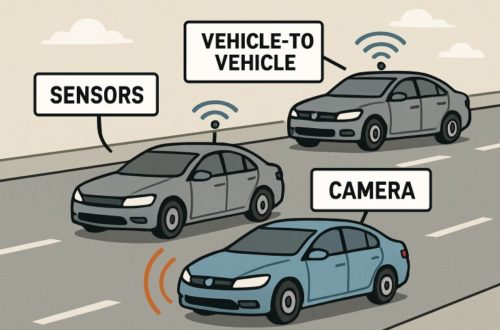
How Technology Is Changing the Future of Motor Vehicle Accident Prevention

What Was the Best Chevrolet Suburban Redesign? Exploring 90 Years of Innovation