Things To Consider for Landscaping That Fits the Climate
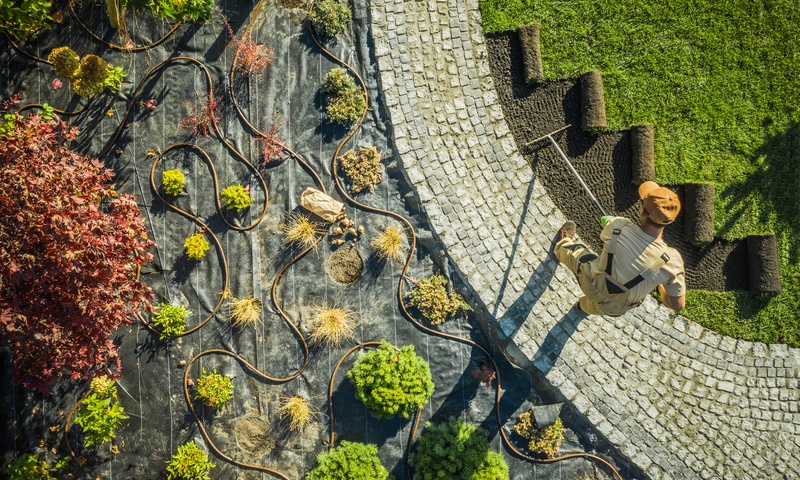
You can fall in love with a landscaping idea online and still watch it fail in your own yard. Climate plays a bigger role in your outdoor success than any trendy design ever will. Before you plant a single shrub, you need to understand the environment you work with. Smart landscaping starts with strategy before impulse. These are the first things to consider for landscaping that fits the climate you live in.
Know Your Hardiness Zone
Your plant hardiness zone tells you which plants can survive your average winter temperatures. Garden centers often label plants with zone information, so pay attention to those tags. If you ignore this detail, you may end up replacing the same plant every year. That cycle gets old quickly.
You can find your zone with a quick online search using your zip code. Once you know your zone, build your plant list around it. This approach gives your landscape a strong foundation. Think of it as choosing clothes that fit your weather instead of dressing for a different continent.
Study Sun and Shade Patterns
Sunlight affects everything from flower blooms to lawn health. Spend a few days observing how sunlight moves across your yard. Notice which areas receive full sun, partial shade, or deep shade. Plants thrive when you match them with the right light conditions.
Do not assume your entire yard shares the same exposure. A tree, fence, or neighboring building can create microclimates. Those subtle differences influence soil moisture and plant performance. Careful observation now prevents frustration later.
Work With Your Rainfall, Not Against It
Rainfall patterns shape your landscaping decisions more than you might realize. In dry climates, drought-tolerant plants and efficient irrigation systems make sense. In wetter regions, you need plants that tolerate saturated soil without rotting. When you fight your rainfall, your yard fights back.
Consider how water flows across your property during heavy storms. Watch for pooling areas or spots that dry out quickly. Adjust your plant selection and grading to support natural drainage. This planning helps you create a balanced and beautiful landscape that handles sunshine and storms with confidence.
Choose Climate-Appropriate Plants
Plant selection makes or breaks your landscaping success. Native and climate-adapted plants typically require less maintenance and fewer resources. They already understand the local weather patterns better than exotic imports ever will. That built-in resilience saves you effort year after year.
When evaluating plants, look for the following qualities:
- Tolerance for your average summer heat.
- Ability to survive your winter lows.
- Resistance to local pests and diseases.
- Water requirements that match your rainfall.
- Growth habits that fit your available space.
Pay Attention to Soil Type
Soil influences how well plants absorb nutrients and water. Sandy soil drains quickly but struggles to retain moisture. Clay soil holds water longer but can suffocate roots if you overwater. Loamy soil offers a happy middle ground, but not every yard enjoys that luxury.
Test your soil before planting large areas. Many garden centers sell simple soil testing kits. Once you understand your soil, you can amend it with compost or other organic matter. Healthy soil supports stronger roots and fewer headaches.
Landscaping that fits the climate requires patience and vision. That tiny sapling may look harmless today, but it could tower over your house in ten years. Always consider mature plant size before planting. Crowded landscapes lead to constant pruning and unnecessary stress.
Would you like to receive similar articles by email?

Danuta Smoluk
Danuta Smoluk is a teacher with over three decades of experience teaching both children and adults. She specializes in teaching the Polish language to English-speakers. She has a master's degree in primary and early childhood education from WSP Słupsk (currently Pomeranian University in Słupsk) and had her degree validated by University of Toronto. Aside from education, she also has an interest in real estate and home improvement. She has planned and supervised many house renovations. She loves interior design, cooking, and gardening.


You May Also Like

What Do Dolphins Eat?

Ways To Make Your Agricultural Operation More Eco-Friendly