Lambda Sculptorid Meteor Shower Guide
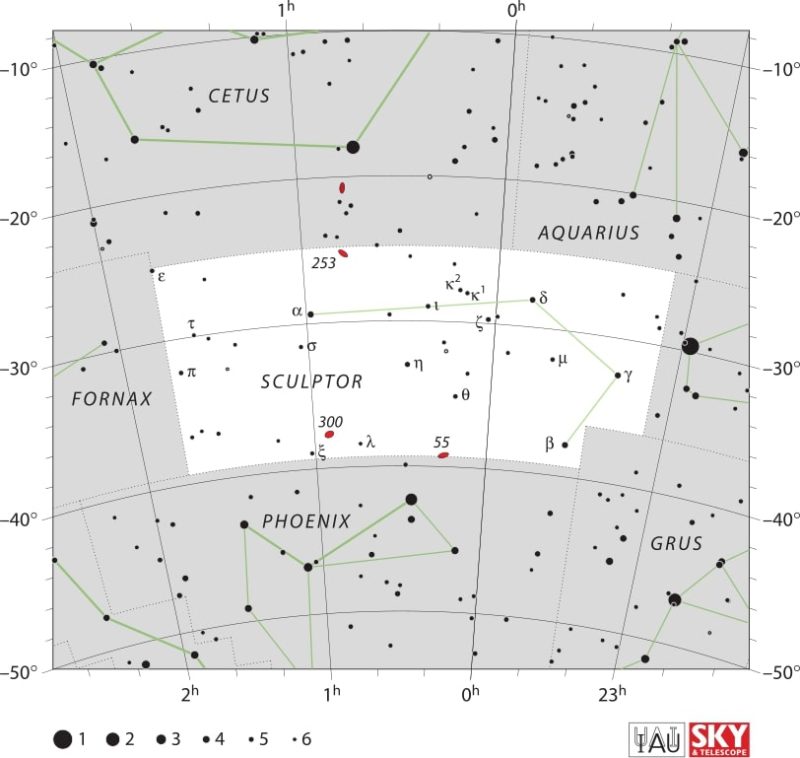
The Lambda Sculptorid meteor shower is a small, variable shower. Peak activity is on December 12, while the radiant is in the constellation of Sculptor, thus favoring observers in the Southern Hemisphere. Meteors are dim and slow, approximately 11 km/s entry speed. For viewing planning, see moon phase, radiant altitude, and local sky brightness. The sections below discuss timing, visibility, and equipment.
What Is the Lambda Sculptorid Meteor Shower?
The new meteor shower Lambda Sculptorid is a recently discovered meteor shower associated with comet 46P/Wirtanen, occurring when Earth intersects a recent meteoroid stream left by this Jupiter-family comet. Initial modeling and observations indicate a distinct stream with unique orbital parameters and meteoroid density characteristics.
The Comet’s Trail
Comet 46P/Wirtanen deposits a trail of dust and ice grains along its orbit, the millimeter-scale particles and some larger clasts causing the mélange of faint streaks and sporadic brighter meteors. Earth intersects that ribbon once every year, making those grains appear as meteors. The comet’s periodic returns resupply the flow.
The Radiant Point
The radiant is located in the southern constellation of Sculptor. Consult a planisphere or star map app to centre Sculptor ahead of the peak window.
That geometry benefits viewers south of the equator, with northern ones experiencing low radiant altitudes and lower numbers. The radiant location assists distinguish Sculptorids from simultaneous December sources.
How to Observe
Strive for situations that tip the balance during the new meteor shower. Checklist: dark site (Bortle 3 or darker), clear skies with low humidity, no Moon glare, and an unobstructed southern horizon. Grab a lounge chair or a blanket and settle in for extended periods of stillness.
Best Time
The Lambda Sculptorids stream over a couple December nights (December 12 and 13), with the peak on December 12.
Look for it after local midnight when the radiant ascends higher. That geometry increases your effective collecting area.
Best Place
Southern Hemisphere sites perform best: Australia, New Zealand, Chile, Argentina, Uruguay, and South Africa work well. Go rural to escape light domes, or dark-sky reserves if you’re lucky to have one.
Select a location with an open southern exposure and as few horizons blocked by trees or ridges as possible. The higher southern latitudes position the radiant higher, enhancing throughput. Coastal locations, too, can be good if winds are stable.
Best Gear
- Reclining chair, warm layers, hat, gloves, thermals, and blanket.
- Red-light flashlight and backup batteries.
- Snacks, hot drink in a thermos.
- Logging tools: notebook or app.
Conclusion
The Lambda Sculptorid meteor shower provides a clear example for researchers and a great spectacle for enthusiasts. Rates remain low, but the experience is worth the effort. Don’t forget to pack a red light, some warm clothes and a lot of patience. Clear skies!
Frequently Asked Questions
What are the Lambda Sculptorids?
The new meteor shower, known as Lambda Sculptorid, is a small meteor shower originating from the constellation of Sculptor. Occurring every year in mid-December, it features low rates of only a few meteors per hour, best observed from dark Southern Hemisphere skies.
When is the best time to watch?
Peak activity of the new meteor shower typically occurs on December 12. Look after local midnight, when the radiant is higher, and check this year’s predictions from credible meteor sources.
Where should I look in the sky?
Turn your gaze to Sculptor, the radiant of the new meteor shower. No telescope required! Trust your eyes, sweep a broad area of sky and give 20–30 minutes for night vision.
How bright are the meteors?
They’re usually dim, and during the new meteor shower, light pollution and bright Moon phases can wash them out. However, dark, country locations will provide you the opportunity to see more meteors.
Do I need special equipment?
No. Bring nothing but your eyes, a lounge chair, and warm clothes to enjoy the new meteor shower. Keep away from screens to preserve your night vision while observing the meteor shower.
What is their scientific importance?
Even low-rate meteor showers, like the new meteor shower lambda, help map out dust streams and parent bodies. Observations improve orbital modes and atmosphere entry information, providing crucial data for researchers on meteoroid populations and space environment hazards.
See also:
- Previous meteor shower: Sigma Hydrid Meteor Shower
- Next meteor shower: Geminid Meteor Shower
Would you like to receive similar articles by email?

Paul Tomaszewski
Paul Tomaszewski is a science & tech writer as well as a programmer and entrepreneur. He is the founder and editor-in-chief of CosmoBC. He has a degree in computer science from John Abbott College, a bachelor's degree in technology from the Memorial University of Newfoundland, and completed some business and economics classes at Concordia University in Montreal. While in college he was the vice-president of the Astronomy Club. In his spare time he is an amateur astronomer and enjoys reading or watching science-fiction. You can follow him on LinkedIn and Twitter.


You May Also Like
Earth’s First Trojan Asteroid discovered by NASA’s WISE
Eta Eridanid Meteor Shower Viewing Tips