How To Prevent Pressure Issues in Lab Gases
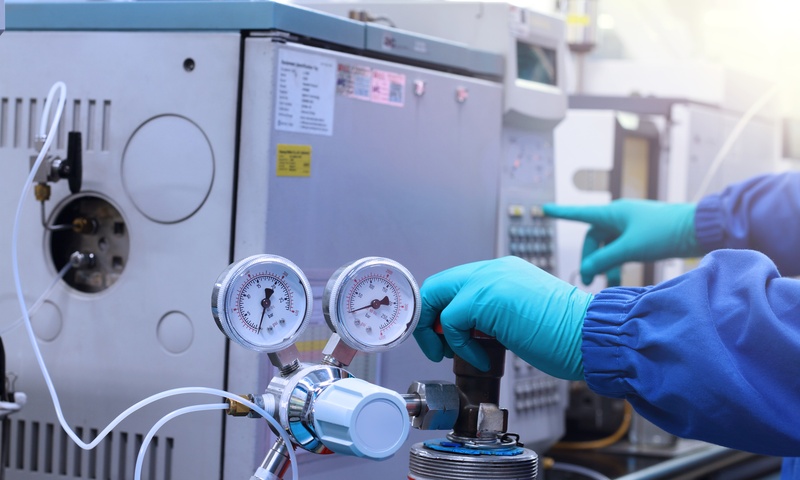
Lab gases play a quiet but critical role in daily work. When pressure stays steady, instruments run smoothly, results stay consistent, and teams can focus on the task in front of them. When pressure jumps, drops, or drifts, small disruptions can turn into wasted gas, damaged equipment, or unreliable output.
The good news is that most pressure issues don’t appear out of nowhere. They often come from setup choices, worn parts, poor handling, or missed maintenance. With a few smart habits, you can prevent pressure issues in your lab gas systems.
Use the Right Regulator
A regulator controls how gas moves from a high-pressure cylinder into a usable working pressure. If you choose the wrong regulator, your system may struggle from the start. Match the regulator to the gas type, pressure range, flow needs, and application.
Materials also count. Some gases need stainless steel components, while others can work with brass. Using the wrong material can lead to contamination, corrosion, or unstable performance. Before installation, check the regulator rating and confirm that the inlet and outlet connections fit the cylinder and system.
Set Pressure Slowly
Fast adjustments can create pressure spikes. Open cylinder valves slowly, and give the regulator time to respond. Sudden pressure changes can stress diaphragms, seals, gauges, and downstream equipment.
When you set delivery pressure, turn the adjustment knob gradually. Watch the gauge as you make small changes. This approach helps you avoid overshooting your target pressure and reduces wear on the regulator.
Watch for Creep
Regulator creep happens when outlet pressure rises even though no one adjusts the regulator. This problem can damage sensitive instruments, waste gas, or create unsafe operating conditions. Understanding creep in gas regulators helps lab teams spot early warning signs before pressure rises too far.
Check outlet pressure after you stop flow. If the pressure keeps climbing, the regulator may have a damaged seat, contamination inside the mechanism, or worn internal components. Don’t ignore that pattern. Remove the regulator from service and have a qualified technician inspect it.
Keep Lines Clean and Secure
Leaks and contamination can both disrupt pressure. Loose fittings allow gas to escape, while debris can block flow or interfere with regulator parts. Use proper fittings, tighten connections carefully, and avoid makeshift adapters.
Clean handling also helps. Keep dust caps on cylinders when you store or move them. Don’t let oil, grease, or residue touch gas connections. Contaminants can create serious hazards with certain gases and can shorten equipment life.
Monitor Flow Demand
Pressure problems can also come from demand changes. When several instruments draw gas from the same source, pressure may drop during peak use. Review how your lab uses gas throughout the day, then size the system for real working conditions.
If one cylinder feeds too many processes, consider a manifold, larger supply, or dedicated gas line. A stable setup gives each instrument the flow it needs without forcing the regulator to work beyond its range.
Build Better Habits
Preventing pressure issues in lab gas systems starts with attention. Train team members to read gauges, report pressure changes, handle cylinders carefully, and follow startup and shutdown steps. Replace worn hoses, gauges, and regulators before they create bigger problems.
Reliable lab gas pressure doesn’t happen by luck. It comes from proper equipment, careful setup, clean connections, and consistent checks. When your team treats pressure control as part of daily lab practice, your gas system works safer, cleaner, and more reliably.
Would you like to receive similar articles by email?

Dr. Jade Marie Tomaszewski
Dr. Jade Marie Tomaszewski is a pathologist-in-training at McGill University, where she also did her degree in MSc Pathology. She obtained her medical degree (MD) from the University of the Philippines, after completing a BSc in Molecular Biology and Biotechnology. In her (little) spare time, she enjoys spending time with family, curling up with a book and a large mug of tea, and trying out new recipes in the kitchen. You can follow her on LinkedIn and Twitter.


You May Also Like

How to Check If a Car Shipping Company Is Licensed and Insured

How to Find Midmarket Business Brokers