How To You Know When to Remodel Your Pool
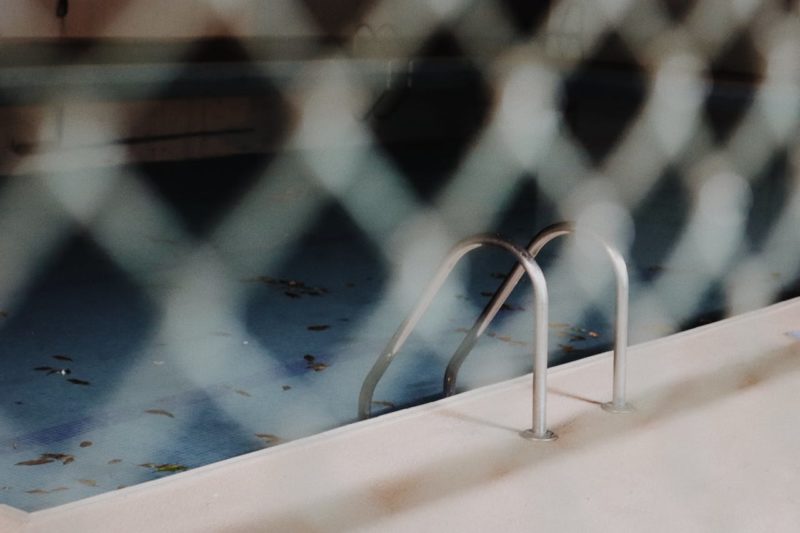
A backyard pool rarely fails all at once. The changes are gradual. The waterline tile starts to look dated. The plaster feels rough against your feet. Small cracks appear, then widen over a few seasons. What once looked bright and inviting can begin to feel worn, raising questions about when remodeling your pool might be wise.
Homeowners often respond with more frequent cleaning or chemical adjustments. Sometimes that works. Other times, those surface efforts only delay a larger conversation about renovation. Knowing the difference can save time and frustration and may help you decide exactly when to remodel your pool.
What are the early signs your pool is aging?
Every pool surface has a lifespan. Traditional plaster finishes may last a decade or more, depending on maintenance and climate. Over time, they lose smoothness and develop stains that no amount of brushing removes. If the water chemistry has been stable and discoloration persists, the issue likely lies in the finish itself. For those wondering when they should remodel their pool, persistent surface problems are one clue.
Chipping around steps and drains is another signal. Small flakes can seem cosmetic, yet they often indicate that the surface layer is breaking down. In warmer regions, constant sun exposure accelerates this process. Freeze-thaw cycles in cooler states create their own stress, expanding minor imperfections into visible cracks. These signs often prompt homeowners to consider when remodeling their pool would be appropriate.
At this stage, many homeowners begin researching options online, often landing on sites like Allied Outdoor Solutions to understand what remodeling entails. Education matters here. A pool remodel can range from simple resurfacing to a broader redesign that updates tile, coping, and surrounding decking. Browsing remodel options may clarify your choices.
Ignoring visible wear rarely makes it disappear. Instead, rough surfaces become uncomfortable underfoot and more prone to algae buildup. What begins as an aesthetic concern can turn into a functional one.
When is resurfacing the smarter move?
Not every aging pool needs a complete overhaul. If the shell is structurally sound and plumbing remains intact, resurfacing can restore both appearance and comfort. The process involves draining the pool, removing the old finish, and applying a new material layer. Resurfacing becomes the answer if damage is only surface-deep.
Homeowners comparing swimming pool resurfacing companies should look beyond price alone. Surface options vary widely. Standard plaster offers a clean, classic look. Quartz blends provide added durability and subtle texture. Pebble finishes introduce depth and a more natural feel. Each material changes how the water reflects light and how the pool feels during use. These choices become relevant when you are finally ready to remodel your pool.
Resurfacing also offers a chance to refresh visual details. Updating the waterline tile or adjusting coping materials can modernize the pool without altering its footprint. For families who like their pool’s shape and layout, this approach balances cost and transformation.
Timing is important. Waiting until surface damage becomes severe can complicate the project. Deep cracks or prolonged water intrusion may require additional repairs before a new finish can be applied. Therefore, thinking ahead about when to remodel your pool avoids costly emergencies.
How do you decide between renovation and full redesign?
Sometimes resurfacing reveals a deeper realization: the pool no longer fits your lifestyle. Perhaps children have grown, and the shallow play area is underused. Maybe you host more adult gatherings and wish for integrated seating or a spa feature. In those cases, a more comprehensive remodel may make sense. It’s a process that often begins by considering when to remodel your pool for the greatest benefit.
Would you like to receive similar articles by email?

Danuta Smoluk
Danuta Smoluk is a teacher with over three decades of experience teaching both children and adults. She specializes in teaching the Polish language to English-speakers. She has a master's degree in primary and early childhood education from WSP Słupsk (currently Pomeranian University in Słupsk) and had her degree validated by University of Toronto. Aside from education, she also has an interest in real estate and home improvement. She has planned and supervised many house renovations. She loves interior design, cooking, and gardening.


You May Also Like
Why Your Basement Should Have a Sump Pump
What To Do When You Need New River Rock in Your Landscaping