How to Keep Your Students Engaged During Class Presentations
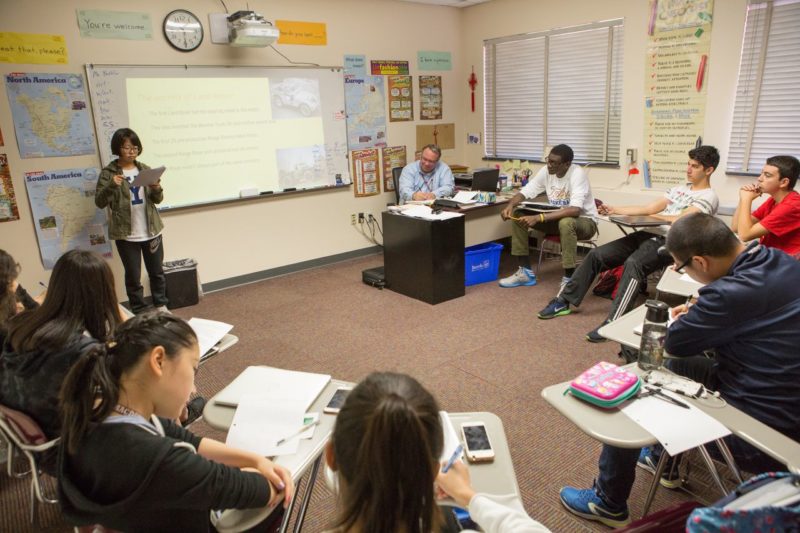
Class presentations are one of the most effective ways you can help students build communication skills, confidence and subject mastery. Yet, keeping the rest of the class engaged while one group presents can be challenging. More than controlling attention, engagement during presentations is about designing participation. When you structure presentations in ways that require active involvement, you transform passive listeners into engaged learners.
1. Set Clear Expectations for Active Listening
Before presentations begin, you need to clearly define what “good listening” looks like in your classroom. Students often assume they only need to be quiet, but listening is an active skill that must be taught and reinforced.
You can set expectations such as maintaining eye contact, taking brief notes and preparing at least one question after each presentation. Clear, consistently reinforced behavior expectations help create more structured classrooms where children are more motivated and achieve better results.
2. Assign a Purpose for Listening
One of the fastest ways to increase engagement is to give students a clear reason to listen. Instead of letting them sit passively, assign a specific task tied to each presentation. For example, you might ask them to identify one new fact, write down one question or connect the presentation to a previous lesson. When students know they will use the information later, they naturally pay closer attention.
This approach shifts listening from a passive activity to an intentional learning process, where kids actively seek meaning rather than simply receive information. Project-based learning shows that when students present work in a more public way, engagement increases because both presenters and listeners feel greater accountability and purpose during the process.
3. Break Presentations Into Interactive Segments
Long, uninterrupted presentations often lead to loss of attention, even when the content is strong. Instead, structure presentations into shorter segments with built-in interaction points. Pause every few minutes for a quick question, peer discussion or prediction about what comes next to help students reset attention and process information.
This approach aligns with findings from collaborative learning environments, where students in structured, group-based settings tend to retain information more effectively than in passive, lecture-style formats. When presentations include interaction, they shift into shared learning experiences, strengthening both engagement and comprehension.
4. Encourage Visual or Creative Elements
Engagement increases when presentations go beyond spoken words. Visual aids, storytelling, demonstrations and other creative elements help capture attention and support different learning styles. You can also engage the audience by asking them to interpret visuals, sketch diagrams or summarize key slides in one sentence.
These simple actions keep children involved without disrupting the flow. This approach supports diverse learning styles, as students can learn through visual, auditory and hands-on engagement, making presentations more inclusive and effective.
5. Build in Reflection After Each Presentation
After each group finishes, give students a brief moment to reflect on what they learned. This step is often overlooked, but it is essential for retention and understanding. You can ask them to write a one-sentence summary, share an insight with a partner or rate their understanding of the topic.
Reflection can give them quick insight into how well the material was understood. Without this step, learning can fade quickly after the presentation ends.
6. Create a Culture of Respectful Attention
Long-term engagement depends on classroom culture. When kids understand that listening is an active part of learning, they might be more likely to stay focused. You can reinforce this by modeling good listening, recognizing attentive students and consistently correcting off-task behavior. Over time, these habits shape how they view participation and respect during presentations.
This matters more as children are increasingly exposed to AI tools, with 30% of teenagers already using chatbots daily. Class presentations help strengthen real-time communication, active listening and meaningful human interaction.
7. Incorporate Peer Evaluation or Feedback
Students might listen more carefully when they know they will respond afterward. You can boost engagement by assigning simple peer feedback tasks during presentations. Recent research shows that instructional feedback has a moderate positive effect on learning performance, highlighting how even small, structured feedback activities can improve understanding and retention.
Keep it simple. Ask students to note one strength, one suggestion and one question per group. This builds focus, strengthens communication skills and helps students recognize what effective presentations look like from both perspectives.
Turning Presentations Into Meaningful Learning Moments
Class presentations become more effective when students are guided to listen actively, respond thoughtfully and reflect on ideas. With simple structures and a clear purpose, you can turn passive audiences into engaged learners who gain more from every presentation.
Would you like to receive similar articles by email?

Tessa Dodson
Tessa Dodson is the Senior Writer of Classrooms.com who is passionate about supporting teachers, providing insights to students, and improving classroom environments. She specializes in covering educational trends, professional development, and practical strategies that lead to success.


You May Also Like
Teaching Life Skills That Actually Matter: Handling Difficult Conversations and Situations

Best Online Tax Courses To Prepare You To Work With Businesses