How Warehouses Optimize Space For Better Productivity
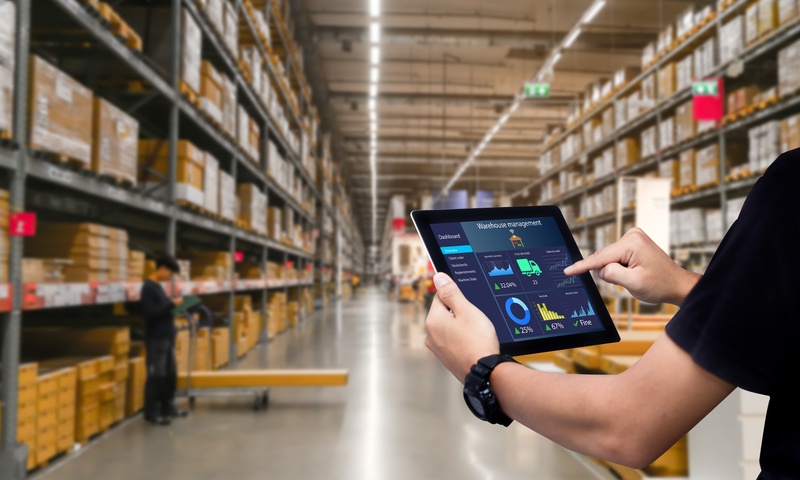
Warehouses are more than just storage spaces; they are dynamic environments where every inch of space influences efficiency. Even minor layout adjustments can lead to significant improvements in daily operations.
Understanding how warehouses optimize space for better productivity reveals how thoughtful design and smart systems can improve workflow, reduce delays, and support higher output.
Smart Layouts Improve Movement
Warehouse teams focus on movement first. If workers and equipment cannot move freely, productivity drops quickly. In fact, how warehouses optimize space often comes down to improving these pathways.
A well-planned layout creates clear paths for traffic and reduces unnecessary steps. Teams position frequently used items closer to packing or shipping areas. Less-used inventory stays farther away.
This approach helps reduce travel time and keeps operations flowing without constant interruptions.
Vertical Space Changes Everything
Many warehouses look full at ground level while leaving valuable vertical space unused. Smart facilities leverage height to increase storage capacity.
Tall shelving systems, mezzanines, and stacked storage allow teams to store more without expanding the building footprint. This approach supports growth without requiring new construction. Additionally, these strategies show how warehouses optimize space upward rather than outward.
Using vertical space also helps keep floors less crowded, which improves safety and movement.
Storage Systems Keep Everything in Place
Organization drives efficiency. Without a clear system, workers waste time searching for items.
Warehouses rely on structured storage methods such as:
- Pallet racking for bulk inventory
- Bin systems for smaller items
- Labeling and tracking systems for quick identification
These systems ensure that every item has a designated location. Workers can find what they need quickly, which reduces errors and delays.
Equipment and Access Points Matter
Physical infrastructure plays a major role in how space functions. Entry points, loading zones, and door systems influence how goods move in and out.
For example, many facilities use rolling-steel garage doors because they open vertically, saving space compared to traditional swinging doors. This design keeps loading areas clear and allows equipment to move efficiently without obstruction.
Small adjustments like this can make a noticeable difference in daily operations.
Technology Supports Better Use of Space
Modern warehouses rely on technology to manage space more effectively. Inventory systems track product locations in real time, reducing confusion and preventing overcrowding in certain areas. Ultimately, how warehouses optimize space is impacted by technology adoption.
Automation tools also help guide placement decisions. Systems can suggest where to store items based on demand, size, and frequency of use.
This level of organization allows teams to use available space more strategically instead of relying on guesswork.
Continuous Improvement Keeps Things Efficient
Warehouse optimization does not stop after the initial setup. Teams regularly review layouts and processes to find areas for improvement.
They might rearrange sections, update storage, or adjust workflows based on needs. This ongoing effort maintains efficiency as inventory and demand shift. Understanding warehouse space optimization underscores the importance of flexibility, as a system working today may need adjustments tomorrow.
The Bigger Impact of Smart Space Use
Efficient space management supports faster operations, fewer errors, and better overall performance. It allows warehouses to handle higher volumes without increasing costs or complexity.
By focusing on layout, storage, equipment, and technology, warehouses create environments that support both speed and accuracy. These improvements benefit not only the facility but also the entire supply chain connected to it.
Would you like to receive similar articles by email?

Paul Tomaszewski
Paul Tomaszewski is a science & tech writer as well as a programmer and entrepreneur. He is the founder and editor-in-chief of CosmoBC. He has a degree in computer science from John Abbott College, a bachelor's degree in technology from the Memorial University of Newfoundland, and completed some business and economics classes at Concordia University in Montreal. While in college he was the vice-president of the Astronomy Club. In his spare time he is an amateur astronomer and enjoys reading or watching science-fiction. You can follow him on LinkedIn and Twitter.


You May Also Like
How Surface Metrology Improves Product Reliability

6 Safety Checks To Never Overlook When Securing Cargo