How to Start a Print Shop Business
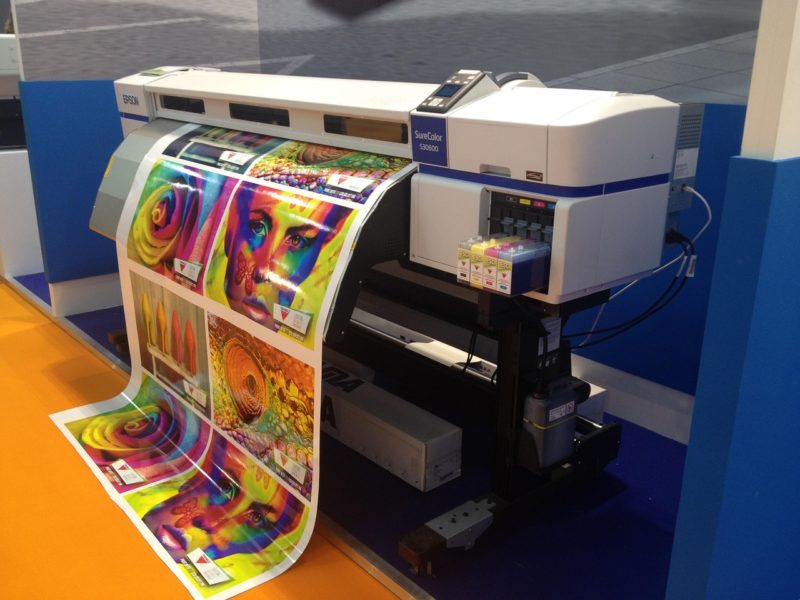
Almost every business could benefit from customized banners, more targeted print advertising, and promotional products.
Whether you’re talking about screen printing or digital printing, print shops offer particular services and economies of scale that other businesses need. However, most other businesses probably don’t have the time, equipment, or expertise to do these things themselves.
Today, many print businesses also offer direct-to-film (DTF), direct-to-garment (DTG), UV printing, and print-on-demand services. These allow customers to order custom products online.
Even from the perspective of someone wanting to start a print shop business independently, equipment and training can be serious impediments. These can prevent you from getting it right.
Opening a print shop from scratch entails getting your financials in order. In addition, if you don’t have a mountain of liquidity at your disposal, you have to ensure you have good enough credit to secure private loans.
Startup Capital Requirements
If you choose to take advantage of a print shop franchise opportunity, on the other hand, you’ll undoubtedly have greater access to loans. You’ll likely have a turnkey investment right on hand as well. There’s definitely a greater degree of predictability and security in going with a franchised print shop.
Aside from knowing exactly the liquidity and net worth requirements you’ll need to get started running your franchised print shop, going the franchise route offers other benefits. These include streamlined training and hiring, site selection help, nationwide marketing and advertising networks, and ready access to the space and equipment you’ll need to hit the ground running.
You can always choose to start a print shop business independently. Doing so, though, would entail convincing private lenders of the feasibility of your business plan. You would also need to research the best place to set up a print shop and hunt down vendors to find the printing equipment that you’ll need.
Depending on the type of print business you start, startup costs can vary dramatically. For example, a small home-based DTF or print-on-demand operation may require a relatively modest investment. Meanwhile, a larger commercial screen-printing or digital printing facility could require significant upfront capital for equipment, staffing, and leased commercial space.
Develop a Plan
Going it alone and starting your print shop from scratch will require you to develop a business plan. This is to show potential investors and lenders that you’re serious. If you choose to capitalize on a franchise opportunity, you’ll still need a business plan for your future franchise location.
The latter—a franchise business plan—will be significantly streamlined compared to developing a business plan for a sole proprietorship print shop. The reason is that the print franchisor will provide you with a franchise disclosure document (FDD). This will provide critical financial information that should inform your franchise business plan’s details.
If you’re developing a business plan for your print shop from scratch you’ll have to include financial, managerial, and operational details yourself. You will also need to include projections for future profit and expansion. That can be extremely tricky, especially if you’re not familiar with the printing industry.
Your business plan should also identify your target customers and specialty. Many successful print shops focus on niches such as custom apparel, signage, stickers and decals, sports uniforms, promotional products, packaging, or corporate branding.
Going the franchise route, alternatively, means having a lot of that information at your disposal before opening day. For example, a franchised print shop’s FDD includes training, hiring, leasing, financial, managerial, and operational information. Franchisors might even have business plan templates.
Purchasing Printers and Other Equipment
Once you determine how much money you’re willing to invest in your print business, you’ll also have to figure out the kind of printing you’ll want to do.
Generally speaking, the choice is between screen printing and digital printing. Your decision will ultimately boil down to whether you want to print on a large scale. It will also depend on the scope of your promotional products initiatives.
Many modern print shops also incorporate DTF, DTG, UV, wide-format, and print-on-demand technologies to expand the range of products and materials they can offer customers.
If you plan to sell products online, you may also need e-commerce software, web-to-print ordering systems, shipping equipment, and design software. These tools will help you manage customer orders efficiently.
Sustainability is another important consideration when purchasing equipment and supplies. Many businesses and consumers now prefer environmentally friendly printing practices. These include recycled paper stocks, water-based inks, low-VOC materials, and short-run digital printing processes that reduce waste.
Registering and Insuring Your Business
One way or another, to start a print shop you’ll need to register your business with the county clerk. You might also have to set up a limited liability company (LLC) for that print shop and insure your business. That could also get complicated.
Depending on your location, you may also need business licenses, sales tax permits, zoning approvals, or commercial lease agreements before opening your print shop. Online print businesses may have different requirements than traditional brick-and-mortar operations.
An alternative: the franchise agreement for a franchised print shop should include everything from a transfer of license and itemization of licensed rights to franchise services, payments, and obligations.
A franchise does, indeed, have more binding rules for how and where you can develop, but with that tradeoff, you get a turnkey investment. You also get the chance to join an already established brand with huge economies of scale and access to nationwide advertising networks.
Hiring and Training
The final order of business is finding trained, dedicated employees to run your print shop. That can be really challenging without the help of a print franchisor to guide you along. They can get you up to speed with industry best practices, cutting-edge trends, and hiring assistance.
Even smaller independent print shops often benefit from hiring employees or contractors with graphic design, customer service, production, and social media marketing experience.
Marketing your print shop is equally important. Many successful print businesses rely heavily on search engine optimization (SEO), social media marketing, Google Business Profiles, referral programs, and repeat business from local companies and organizations. Fast turnaround times and consistent quality can also help distinguish your business from competitors.
Getting a print shop up and running as a sole proprietorship business can, therefore, require quite a lot of startup capital, business planning, and peer support.
Conclusion
Whether you choose to open an independent print shop or invest in a franchise opportunity, success will ultimately depend on understanding your target market, offering high-quality products and services, and adapting to changing printing technologies and customer expectations in this multi-billion-dollar industry.
Would you like to receive similar articles by email?

Paul Tomaszewski
Paul Tomaszewski is a science & tech writer as well as a programmer and entrepreneur. He is the founder and editor-in-chief of CosmoBC. He has a degree in computer science from John Abbott College, a bachelor's degree in technology from the Memorial University of Newfoundland, and completed some business and economics classes at Concordia University in Montreal. While in college he was the vice-president of the Astronomy Club. In his spare time he is an amateur astronomer and enjoys reading or watching science-fiction. You can follow him on LinkedIn and Twitter.


You May Also Like

5 Ways to Enhance Customer Engagement Using Digital Tools

What New Investors Can Learn From Experienced House Flippers