How To Establish a Budget for Your First Boat
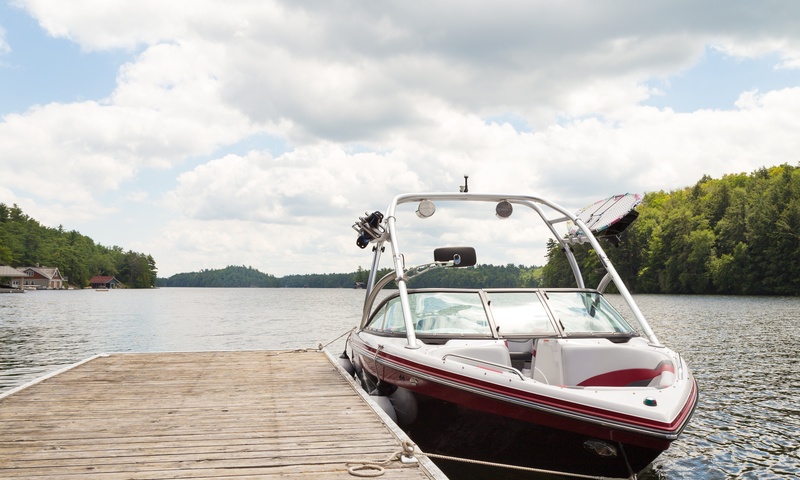
Setting sail on your first boat is an exciting dream, but it’s important to navigate the financial waters carefully. Establishing a realistic budget is the first step to making that dream a reality without any surprises. This guide will walk you through how to establish a budget for your first boat, covering everything from the initial purchase to ongoing expenses. By planning ahead, you can ensure your boating journey is smooth from the start.
1. Determine Your Boat Type
First, decide what kind of boat fits your lifestyle. Are you looking for a small fishing boat for quiet days on the lake, a sailboat for coastal adventures, or a speedboat for water sports? The type of boat you choose will have the biggest impact on your budget. Research different models and their typical price ranges to get a clear idea of what you can afford.
2. Account for the Cost of the Boat
Once you’ve selected a boat type, you need to budget for the actual purchase. This cost can vary significantly depending on whether you buy new or used. A new boat offers the latest features and a warranty, but a used boat can provide great value. Be sure to factor in taxes and registration fees, which can add a substantial amount to the total cost.
3. Consider Additional Equipment
Your boat will need more than just a hull and a motor. You’ll have to purchase safety gear like life jackets, flares, and fire extinguishers. Depending on your activities, you might also want navigation equipment, a boat cover, or water toys. A common mistake to avoid when buying your first boat is underestimating the cost of these essential and optional accessories.
4. Factor in Maintenance Costs
Boats require regular maintenance to stay in good condition. This includes routine engine servicing, cleaning, and winterization if you live in a colder climate. A good rule of thumb is to set aside about 10% of the boat’s value for annual maintenance. This ensures you’re prepared for both expected and unexpected repairs.
5. Remember Insurance Costs
Boat insurance is a must-have to protect your investment and cover liability. The cost will depend on the boat’s value, size, and where you plan to use it. Shop around for quotes from different insurance providers to find the best coverage at a competitive price.
6. Don’t Forget About Docking Fees
Unless you can store your boat at home, you’ll need to pay for docking or storage. Marina fees can vary widely based on location and amenities. If you opt for dry storage, you’ll also need to consider transportation costs to and from the water.
7. Create a Contingency Fund
Finally, it’s wise to have a contingency fund for unforeseen expenses. From unexpected repairs to needing specialized equipment, having extra cash set aside will give you peace of mind. This financial cushion ensures that a small problem doesn’t turn into a major setback.
By following these steps, you’ll have a clear roadmap for how to establish a budget for your first boat. Thoughtful planning allows you to fully enjoy your time on the water without financial stress.
Would you like to receive similar articles by email?

Danuta Smoluk
Danuta Smoluk is a teacher with over three decades of experience teaching both children and adults. She specializes in teaching the Polish language to English-speakers. She has a master's degree in primary and early childhood education from WSP Słupsk (currently Pomeranian University in Słupsk) and had her degree validated by University of Toronto. Aside from education, she also has an interest in real estate and home improvement. She has planned and supervised many house renovations. She loves interior design, cooking, and gardening.


You May Also Like

Maximize Your Space: A Guide To Choosing Self Storage Units

Signs It’s Time To Upgrade Your Sewing Machine