How to Cut Your Own Hair and Not Ruin It [Easy Guide]
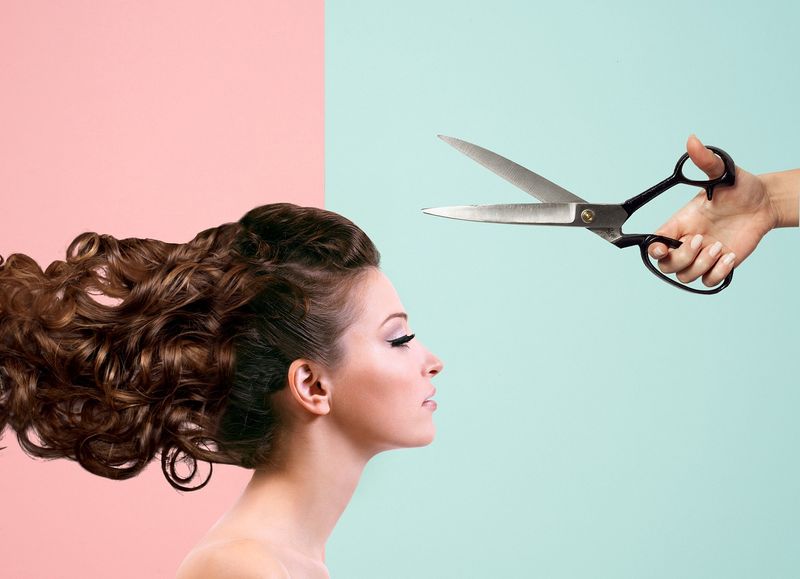
Cutting your own hair can be a daunting task, especially as a woman, but with the right tools and techniques, it’s possible to achieve salon-worthy results at home. In this guide, we’ll discuss everything you need to know about cutting your own hair, including tips for selecting the right scissors, preparing your hair, and creating the perfect cut. By following these steps, you can avoid ruining your hair and achieve a look that you’ll love.
Key Takeaways:
- Use high-quality scissors and thinning shears.
- Prepare hair with washing, conditioning, and detangling.
- Section hair for precision: top, sides, back, nape.
- Cut slowly and in small sections.
- Trim ends regularly for healthy hair.
- Style with suitable tools and products, avoiding excessive heat.
- Maintain with regular trims, proper care, and quality products.
Should I Cut My Own Hair in the First Place?
Totally depends on a few things—here’s a quick gut-check:
You should cut your own hair if:
- You’re doing a simple trim or maintenance (especially if you have straight hair or long layers).
- You’ve watched a few solid YouTube tutorials.
- You’re okay with the risk and can fix it later if needed.
- You’re feeling adventurous and don’t mind a learning curve.
You shouldn’t cut your own hair if:
- It’s your first time and you’re aiming for a big style change.
- Your hair is curly or textured and you’re not comfortable using more advanced techniques.
- You’ve got a big event coming up (job interview, wedding, etc.).
- You know you’ll spiral if it doesn’t turn out right.
If your answer is still yes, then let’s proceed.
Tools and Equipment
The first step in cutting your own hair is to make sure you have the right tools and equipment. You’ll need a good pair of hair cutting scissors, a comb, and possibly some clips. It’s important to invest in a high-quality pair of scissors, as these will make a big difference in the final result. They should be sharp, durable, and comfortable to hold. It’s also a good idea to buy a pair of thinning scissors, which can be used to create texture and movement in the hair.
Helpful additions:
- A handheld mirror (for checking the back of your head)
- Hair clips for sectioning
- A hair cape or towel to keep things clean
- A spray bottle (if cutting hair damp)
- Good lighting so you can see even sections clearly
Preparing Your Hair
Before you begin cutting your hair, it’s important to prepare your hair by washing it, conditioning it, and detangling it. This will make it easier to work with and will result in a cleaner, more precise cut.
This depends on your hair type and method:
- Straight hair can be cut slightly damp for cleaner lines
- Curly or textured hair is often better cut dry to avoid shrinkage mistakes
Make sure your hair is fully detangled before you begin.
Sectioning Your Hair
When cutting your hair, it’s important to section it properly. This will make it easier to work with and will help you achieve a more precise cut. There are several different ways to section your hair, but the most common method is to divide it into four sections: the top, the sides, the back, and the nape. Once you’ve sectioned your hair, use clips to keep the sections separate.
You can also use ear-to-ear parting or smaller sections depending on the style you’re trying to achieve.
Cutting Your Hair
Now that your hair is prepared and sectioned, you’re ready to begin cutting. The key to cutting your own hair is to take your time and work slowly. Start by cutting small sections of hair at a time.
Instead of relying on a fixed angle, focus on keeping even tension on the hair and making small, controlled cuts. Consistency is more important than the exact angle.
A helpful rule: cut less than you think you need—you can always trim more later, but you can’t undo a cut.
Some beginner-friendly methods include:
- Small trim cuts for maintaining length
- Point cutting (snipping into ends for a softer finish)
- Ponytail trimming for simple long-hair shaping (used carefully and minimally)
Trimming the Ends
When cutting your own hair, it’s important to trim the ends regularly. This will help to remove split ends and will keep your hair looking healthy and shiny. To trim the ends, use the scissors to snip off small sections of hair, working your way around the head.
Try to check your hair in natural light afterward to ensure the ends look even once the hair settles.
Styling Your Hair
Once you’ve finished cutting your hair, it’s time to style it. You can use a variety of tools and products to style your hair, including brushes, combs, and hair dryers. It’s important to use the right tools and products for your hair type and to avoid using too much heat, as this can damage your hair.
It’s also a good idea to let your hair sit naturally (air dry if possible) before making final judgments or adjustments to the cut.
Maintaining Your Hair
To keep your hair looking its best, it’s important to maintain it properly. This includes regular trims, regular washing and conditioning, and using good hair care products. You should also avoid using excessive heat, such as straighteners, curling irons, and hair dryers, as these can damage your hair.
Conclusion
Cutting your own hair can be a great way to save money and achieve the look you want. By following the tips and guidelines outlined in this guide, you can avoid ruining your hair and achieve salon-worthy results at home. It’s important to have the right tools and equipment, prepare your hair properly, section it correctly, work slowly, trim the ends regularly, style it with the right tools and products, and maintain it properly.
Remember: start small, go slowly, and avoid major changes on your first try. With a little practice and patience, you’ll be able to cut your own hair like a pro!
Would you like to receive similar articles by email?

Danuta Smoluk
Danuta Smoluk is a teacher with over three decades of experience teaching both children and adults. She specializes in teaching the Polish language to English-speakers. She has a master's degree in primary and early childhood education from WSP Słupsk (currently Pomeranian University in Słupsk) and had her degree validated by University of Toronto. Aside from education, she also has an interest in real estate and home improvement. She has planned and supervised many house renovations. She loves interior design, cooking, and gardening.


You May Also Like
How to Choose Lash Clusters Based on Your Eye Shape

Hyaluronic Acid Lip Fillers: Why They’re the Top Choice