How Retail Layouts Influence Product Movement
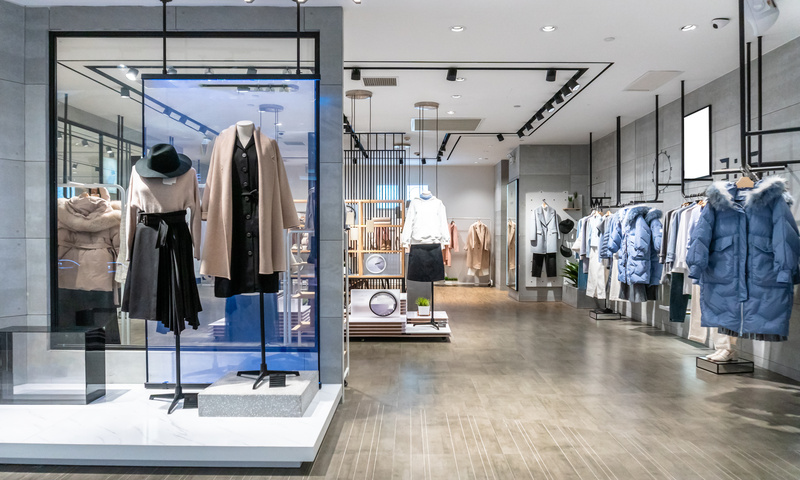
Walk into any store, and you can feel it immediately. The pace, the openness, and the way the space seems to guide you forward all signal how the store expects you to move. Retail layouts influence product movement, and it starts with these subtle cues. Layouts help shape how shoppers navigate, where they pause, and which products naturally come into view.
Retail spaces are designed to guide visitors subtly without explicit instructions. Aisles, displays, and open zones serve as visual signals. Clear signage encourages smooth movement and natural product flow, while confusion can cause delays and diminish interest.
Keep reading to enhance customer engagement and retention by mastering effective store layout strategies.
Store Flow Shapes Customer Decisions
Store flow refers to how easily customers move from one section to another. Wide, unobstructed paths reduce friction. Tight corners and cluttered aisles create hesitation. That hesitation often leads to fewer interactions with products.
Most successful layouts follow a predictable rhythm. Customers enter, orient themselves, and then follow a loose loop through the space. Products placed along that path benefit from increased exposure simply because more people pass by them.
Product Placement Controls Pace
Placement plays a quiet role in how long shoppers stick around. When essential items are placed deeper in the store, customers tend to browse more as they move through the store. Placing frequently paired products near each other also makes decisions feel easier, which can accelerate purchases.
End caps show this effect in action. They break up predictable walking patterns and create a moment of pause. That pause gives shoppers time to notice what’s in front of them. When movement slows just enough, engagement tends to follow.
Visual Signals Guide Attention
Retail layouts rely heavily on visual hierarchy. Lighting, color contrast, and shelf height all signal importance. Shoppers tend to drift toward brighter areas and slow down where displays feel intentional.
Quick layout reminders:
- Keep sightlines open to invite forward movement
- Use focal displays to break up long aisles
- Place high-interest products at natural eye level
Each choice nudges customers toward or away from certain products.
Operational Efficiency Matters Too
Layout decisions affect more than shoppers. They shape how products move behind the scenes. Clear zones and logical storage reduce restocking time and limit handling errors.
This is also where sustainability enters the conversation. Inefficient layouts often lead to damaged goods, forgotten inventory, or overordering. Over time, waste minimization is a key business priority, especially for retailers trying to balance cost control with operational clarity.
Flexible Layouts Support Changing Behavior
Shopping habits change, sometimes faster than layouts do. Stores that rely on fixed designs often struggle to adapt. Flexible fixtures and modular displays allow retailers to adjust flow without major disruptions.
Helpful approaches include:
- Movable shelving for seasonal shifts
- Multi-purpose display zones
- Clear separation between high-traffic and browsing areas
These changes help maintain steady product placement even as customer behavior evolves.
Small Adjustments Create Real Impact
Retailers often assume big results require big changes. In reality, small layout tweaks can quickly change customer shopping patterns. Adjusting shelf height or relocating a display can change how products perform within days.
At its core, how retail layouts influence product movement comes down to intentional design. When space works with human behavior rather than against it, products move more smoothly, and stores operate more easily.
Would you like to receive similar articles by email?

Danuta Smoluk
Danuta Smoluk is a teacher with over three decades of experience teaching both children and adults. She specializes in teaching the Polish language to English-speakers. She has a master's degree in primary and early childhood education from WSP Słupsk (currently Pomeranian University in Słupsk) and had her degree validated by University of Toronto. Aside from education, she also has an interest in real estate and home improvement. She has planned and supervised many house renovations. She loves interior design, cooking, and gardening.


You May Also Like

Custom Real Estate Software: A Competitive Advantage for Brokerages

Smart Ways To Create Private Spaces at Business Events