How Did Asteroid Vesta Get Its Name
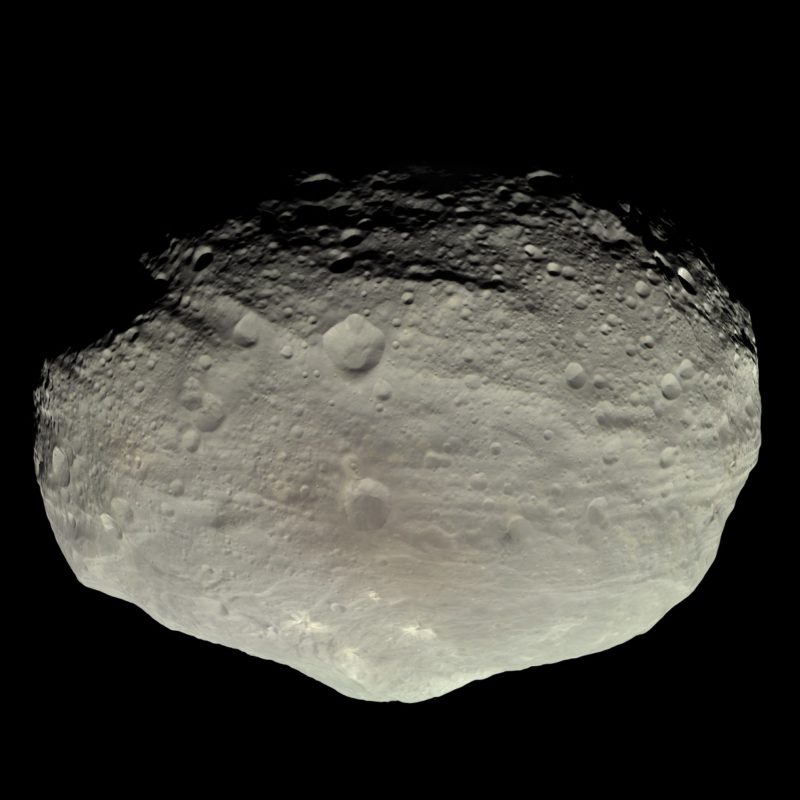
How Vesta got its name is a tale of Roman mythology and early 19th-century astronomy. Found in 1807 by Heinrich Olbers, the asteroid was named by Carl Friedrich Gauss for Vesta, the Roman goddess of the hearth. The selection was consistent with the period’s practice of naming new minor planets after mythic female deities. Vesta’s naming mirrored cultural conventions in European science and aided in formalizing asteroid naming.
The Mythological Source
Roman Goddess
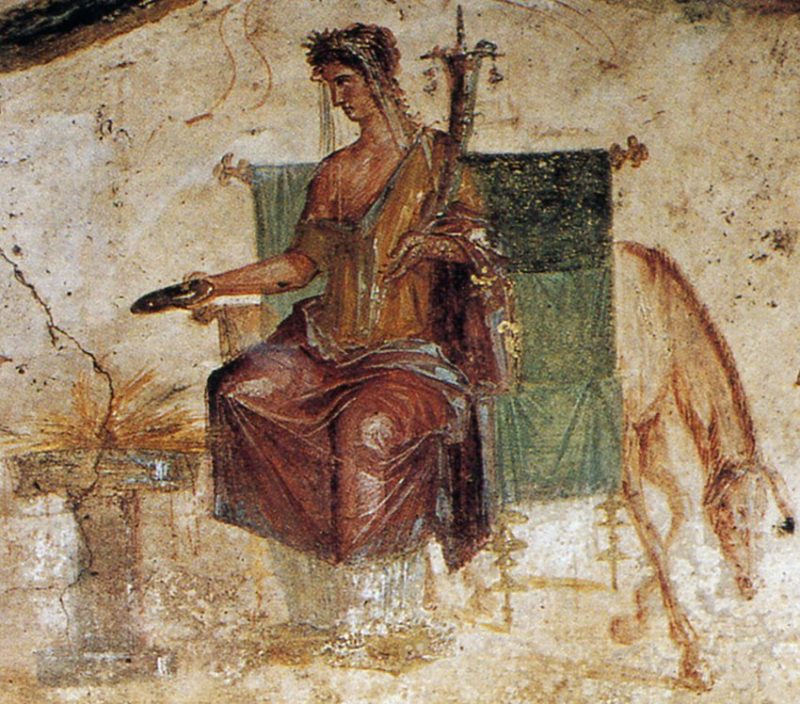
Vesta was one of the major Roman gods. Daughter of Saturn and Ops, sister to Jupiter, Neptune, Pluto, Juno, and Ceres, she was at the heart of Roman theogony. As keeper of the sacred hearth, she guarded the domus as well as Rome’s political body.
Her perpetual virginity represented ritual purity, maintained by a priesthood of Vestal Virgins. State religion established her temple close to the Forum, and magistrates attached oaths and vows to her fire.
Hearth and Home
The hearth represented a home’s heart in both deed and belief. It provided warmth, illumination, and sustenance.
Vesta’s flame marked continuity from generation to generation, from household to Senate. Families preserved coals as amulets, and public shrines imitated the same obligation. She was the threshold, a liminal line; brides were carried over so toes would not brush that holy border.
Eternal Flame
That eternal fire in Vesta’s round temple was a symbol of Rome’s strength and good fortune. Vestals took shifts to keep it alive with rigorous ritual, feed rate, and ash management. Most thought its collapse augured civic peril or godly wrath.
Vestal Virgins
The Vestals were elite priestesses bound to virginity and enduring service. They maintained the flame, housed wills, guarded sanctified artifacts, and participated in important ceremonies such as Vestalia.
Their legal status was special; they could own property and move about freely. Profanation of an oath incurred harsh punishment, whereas devoted obedience won glories.
Greek Counterpart
Hestia is Vesta’s Greek counterpart, sharing the hearth’s tranquil focus. Greek worship remained more household, while Rome developed a public cult surrounding a state hearth. Their names probably have common Indo-European origins, and Roman religion repurposed Hestia’s qualities for civic use.
Astronomical Naming
The Discovery
Vesta was discovered on March 29, 1807 by Heinrich Wilhelm Olbers in Bremen, amid a rush of small-body discoveries between Mars and Jupiter. It became one of a handful of early asteroids that redrew Solar System maps.
The first sequence ran: Ceres (1801, Piazzi), Pallas (1802, Olbers), Juno (1804, Harding), and then Vesta (1807, Olbers). Every new point of light ignited new orbit calculations and popular enthusiasm and controversy as to whether these were planets or not. Vesta’s prominence was due to its brightness and well-determined orbit, enabling follow-up observations throughout Europe.
The Namer
Because Heinrich Wilhelm Olbers had already been credited with discovering Pallas, he gave the honor of naming his new discovery to German mathematician Carl Friedrich Gauss in recognition of his calculations that confirmed and determined the orbit of Ceres. Gauss suggested the name “Vesta” after the Roman goddess of the hearth.
The Convention
Initially, the trend was toward female mythological figures, in particular goddesses, to maintain a neat, tight list. These paid homage to classical antiquity and kept names brief, pronounceable, and unique. Vesta mirrors that aim and by meaning matches the object’s role. The goddess’s guardianship and flame suggest preservation and light, while the asteroid preserves early Solar System material and has a high albedo that “brightens” the belt scientifically.
Today the IAU governs naming with rules: mythic or other categories allowed, no confusing similarity, and broader inclusion (for example, scientists like Olbers are honored by other designations). Conventions have changed with technology and the rate of discovery, but Latin and Greek roots are still common.
Conclusion
In short, Vesta’s name reflects both its astronomical importance and its mythological heritage. By linking a bright asteroid to the Roman goddess of the hearth, astronomers honored tradition while giving the object a symbolic identity that continues to resonate in science and culture today.
Frequently Asked Questions
How did Vesta get its name?
Vesta got its name from the Roman goddess of the hearth, home, and fire. Early astronomers had the habit of giving the largest asteroids names of mythological gods and goddesses.
Who named Vesta and when?
German astronomer Heinrich Wilhelm Olbers found Vesta in 1807. Vesta’s name was suggested by Carl Friedrich Gauss as part of the tradition of assigning classical names to celestial bodies.
How does Vesta’s cultural footprint appear today?
Vesta comes up in books, paintings, and textbooks. NASA’s Dawn mission rekindled interest and reconnected ancient myth with modern planetary science.
Would you like to receive similar articles by email?

Paul Tomaszewski
Paul Tomaszewski is a science & tech writer as well as a programmer and entrepreneur. He is the founder and editor-in-chief of CosmoBC. He has a degree in computer science from John Abbott College, a bachelor's degree in technology from the Memorial University of Newfoundland, and completed some business and economics classes at Concordia University in Montreal. While in college he was the vice-president of the Astronomy Club. In his spare time he is an amateur astronomer and enjoys reading or watching science-fiction. You can follow him on LinkedIn and Twitter.


You May Also Like
1I/ʻOumuamua: the First Known Interstellar Object

Understanding the Importance of Tonometry for Eye Health