How Automation Helps Labs Handle High Testing Volumes
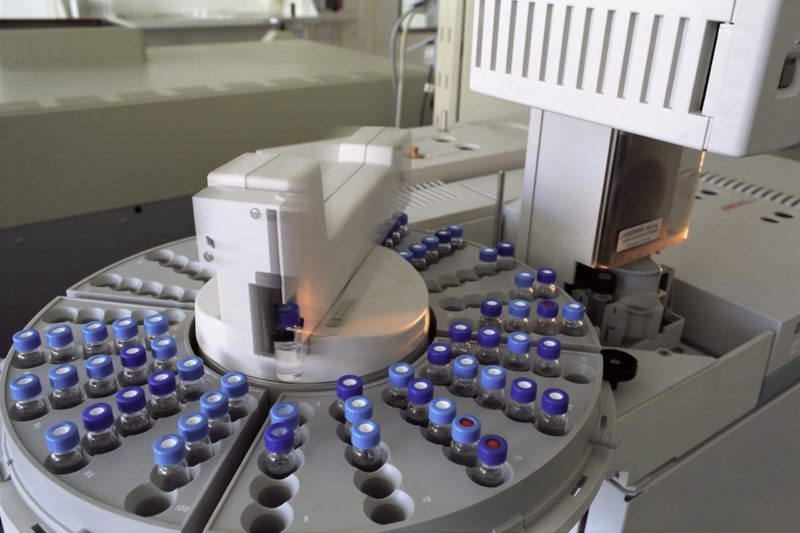
Ever seen a lab during flu season? It’s chaos. Samples pile up like crazy. Techs run from one machine to another. Everyone looks tired and stressed. Then someone screams, “We need results in two hours.” That’s when things get ugly. But here’s the good news. Lab automation is changing that whole scene. Labs can now handle huge waves of tests without losing their minds.
Robots Don’t Get Tired
A human tech can only do so much. Their hands get sore. Their eyes get blurry. They need coffee breaks and lunch. But machines keep going. That’s where lab automation systems shine. These setups run 24 hours a day. They sort, label, and prepare samples nonstop. One system does the work of five people. And it never calls in sick. It never asks for a raise. It just works. That’s a lifesaver when test volumes explode overnight.
Speed That Actually Matters
Time is everything in a lab. A slow result can hurt a patient. Lab automation cuts waiting time like a hot knife through butter. A robot processes a sample in seconds. A human might take minutes. Multiply that by a thousand samples. The difference becomes hours. Faster results mean doctors act sooner. Patients get treated quicker. Beds open up faster. Speed isn’t just nice to have. It’s a matter of care.
Fewer Mistakes Mean Less Rerunning
Here’s a hidden time killer. Human errors. You mislabel a tube. You add the wrong liquid. You skip a step. Now you have to rerun the whole test. That doubles your workload. Automation nearly kills those mistakes. Machines follow the exact same steps every time. They scan barcodes so labels are always right. They measure liquids with perfect precision. Less rerunning means more actual results. That’s how you handle high volume without drowning.
Sample Tracking Without the Headache
Have you ever lost a sample? It’s a nightmare. You search every fridge and freezer. You call the night shift. You find it three hours later under a pile of papers. Lab automation fixes this mess. Every tube gets a unique ID. The system knows where it is at all times. In the centrifuge? On the shelf? Already tested? You check a screen, not a freezer. This tiny change saves hours of hunting. And it lets you process way more samples in a shift.
Parallel Processing for the Win
A human does one thing at a time. That’s just how we work. But automation does many things at once. One robot preps samples. Another runs the analysis. A third stores the finished tubes. They all work simultaneously. This is called parallel processing. It’s like having three assembly lines instead of one. The result is massive throughput. A lab with automation can handle ten times the volume. Same floor space. Same number of humans. Just way more output.
Overnight Runs While You Sleep
Here’s a beautiful thing. Automation doesn’t need to sleep. You load up the system at 5 PM. You go home and eat dinner. You watch a show. You sleep for eight hours. Meanwhile, the lab keeps running. Samples get processed all night long. You come back at 8 AM to find hundreds of results ready. That’s free productivity. No overtime pay. No grumpy night staff. Just quiet, steady work while the world rests. High volume becomes easy when your lab never stops.
Less Burnout for Human Staff
High testing volumes burn people out. Too much pressure. Too many samples. Too little time. Good techs quit. New ones can’t keep up. Automation takes the brutal load off. Humans focus on complex tasks. They review weird results. They handle rare cases. They don’t have to rush through routine tests. This keeps staff happy and healthy. Happy staff stay longer. They work better. They catch problems early. So automation doesn’t replace people. It saves them from exhaustion.
The Bottom Line
High testing volumes are not going away. Flu seasons get worse. New viruses appear. Population grows. Labs need a real solution. Lab automation is that solution. It’s faster, more accurate, and tireless. It tracks everything. It works overnight. It protects your best employees. So if your lab is drowning in samples, stop hiring more people. Start automating. Your stress levels will thank you. And so will your patients.
Would you like to receive similar articles by email?

Dr. Jade Marie Tomaszewski
Dr. Jade Marie Tomaszewski is a pathologist-in-training at McGill University, where she also did her degree in MSc Pathology. She obtained her medical degree (MD) from the University of the Philippines, after completing a BSc in Molecular Biology and Biotechnology. In her (little) spare time, she enjoys spending time with family, curling up with a book and a large mug of tea, and trying out new recipes in the kitchen. You can follow her on LinkedIn and Twitter.


You May Also Like
How Automated Live Cell Imaging Enhances Workflow Efficiency

How Modern Technology Is Revolutionizing Tooth Brushing?