How Art Museums Preserve and Protect Their Pieces
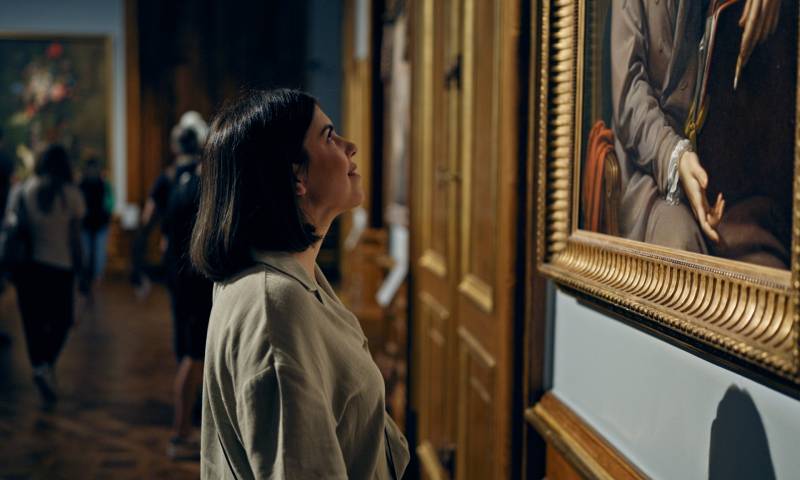
Have you ever wondered how art museums preserve and protect their priceless pieces for future generations to enjoy? You’d think that, at this point, those hundreds- or even thousands-year-old works would have crumbled to dust. But most of them are still intact, thanks to the dedicated work of art conservationists and museum staff. They use a variety of techniques and strategies to keep the pieces safe and in good condition for as long as possible.
Storing the Art
One of the most effective ways museums preserve their pieces is by storing them in climate-controlled environments. This means controlling the temperature and humidity levels to prevent any damage from moisture or extreme temperatures.
Some works, like paintings on canvas, are especially sensitive to these conditions. Too much humidity can warp the canvas and crack the paint. An environment that’s too dry can make the paint brittle and flaky. By controlling the climate, museums can slow down the natural aging process of these pieces.
Equally important is keeping these conditions stable over time, since fluctuations can be just as damaging as extremes. Museums also use archival materials like acid-free boxes and specialized mounts to further protect artworks in storage.
Conservation Methods
Museums also use conservation methods to ensure the longevity of their artworks. These methods can include cleaning, repairing damage, stabilizing a piece, and preserving its current condition while respecting its history.
They can use techniques like laser cleaning, carefully controlled micro-abrasion, or specialized chemical treatments to restore artworks and sculptures by gently removing layers of dirt and grime without damaging the underlying surface of the artwork. For more delicate pieces, conservationists may use a process called consolidation, which involves applying a special adhesive to stabilize and protect fragile materials.
Modern conservation also relies on technologies like X-rays, infrared imaging, and 3D scanning to better understand an artwork before any treatment is done.
No Touching
When you visit an art museum, you’ll often see signs reminding visitors not to touch the artwork. Art museums may even place barriers around certain pieces to prevent people from getting too close, or display them behind glass cases.
This is because the oils from our skin and other contaminants can easily transfer onto the surface of an artwork and cause damage over time. The less touching and exposure to outside elements, the better chance a piece has at staying intact.
Museum staff also follow strict handling procedures, sometimes using gloves and specialized supports to safely move artworks without causing stress or damage.
Light Exposure
In addition to temperature and handling, light exposure is another major concern for museums. Too much light—especially ultraviolet (UV) light—can cause colors to fade and materials to weaken over time. To prevent this, museums use UV-filtered lighting, keep light levels low, and often rotate sensitive works like textiles, photographs, and works on paper out of display.
Regular Inspections
Museums also regularly inspect their pieces to identify potential issues before they become major problems. This can include looking for signs of wear and tear or checking for pests that may cause damage. By catching these issues early on, museums can quickly address them and prevent further harm to the artwork. Many institutions now use environmental sensors and digital monitoring systems to track conditions in real time.
Collaboration with Experts
Art museums often collaborate with experts in various fields to help preserve and protect their pieces. This can include working with scientists, historians, and other specialized professionals to gain a deeper understanding of the materials used in a particular artwork or to develop new techniques for conservation. Through this collaboration, art museums can continuously improve their preservation methods and ensure the long-term survival of their collections.
Disaster Preparedness
Museums also prepare for unexpected events such as fires, floods, or natural disasters. They develop emergency response plans and use specialized fire suppression systems designed to protect artworks while minimizing damage.
Conclusion
As you can see, art museums go to great lengths to preserve and protect their pieces. They understand these artworks hold immense historical and cultural value, and it’s their responsibility to keep them around so we can continue to admire, study, and appreciate them. It’s because of their hard work and dedication that pieces like the Mona Lisa and the Sistine Chapel ceiling are still in such remarkable condition today, thanks in part to strict environmental controls, careful monitoring, and limited exposure to damaging elements.
Would you like to receive similar articles by email?

Paul Tomaszewski
Paul Tomaszewski is a science & tech writer as well as a programmer and entrepreneur. He is the founder and editor-in-chief of CosmoBC. He has a degree in computer science from John Abbott College, a bachelor's degree in technology from the Memorial University of Newfoundland, and completed some business and economics classes at Concordia University in Montreal. While in college he was the vice-president of the Astronomy Club. In his spare time he is an amateur astronomer and enjoys reading or watching science-fiction. You can follow him on LinkedIn and Twitter.


You May Also Like

Who is Monkey Joe (Marvel Comics Character)

How to Print Reverse Text