Great Ways To Use Glass in Your Home Design
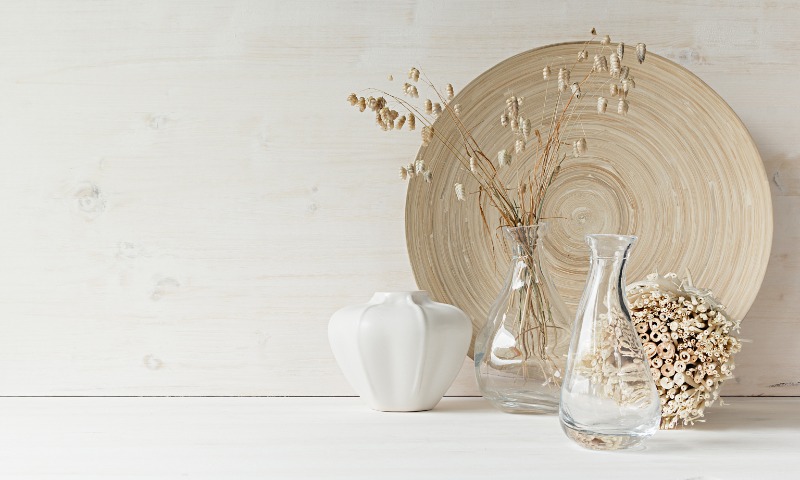
Glass has a rare place in interior design. It can add polish without visual weight, introduce texture without excess ornament, and help a room feel more open without a major renovation. The best uses also feel intentional rather than decorative for decoration’s sake. Great ways to use glass in your home design range from architectural details to furniture, so there’s plenty of room for personal taste. If your interiors could use a fresh perspective, consider where glass could add lightness, depth, or a sharper sense of refinement.
Let Glass Open Up Smaller Rooms
A compact room can feel crowded once solid furniture, dark finishes, and substantial architectural details compete for attention. Glass offers a useful counterpoint because the eye can travel through it. A clear coffee table, console, or side table occupies physical space without the same visual mass as an opaque piece. This can give a den, office, or narrow entry a calmer appearance.
There’s no need to fill the room with transparent furniture. One glass piece can provide enough contrast beside upholstered chairs, wood cabinetry, or a stone fireplace. A glass-top table with a sculptural metal or wood base can also showcase craftsmanship that a solid top might conceal.
Add Glass to Interior Doors
Interior doors offer a chance to use glass on a larger scale. French doors can divide a study, library, or formal sitting area without closing it off from the rest of the house. Frosted or reeded panels offer more privacy, so they can suit offices, bathrooms, or other spaces where clear glass feels too exposed.
The frame deserves just as much thought as the pane itself. Black metal can give glass doors a crisp architectural character, and natural wood can create a softer transition into traditional interiors. Painted frames can blend with nearby trim for a quieter effect. Match the frame to the broader character of the house rather than treat the door as an isolated feature.
Explore Reeded, Frosted, and Textured Glass
Clear glass may get most of the attention, but textured varieties can add far more personality. Reeded glass has linear detail that softens the view beyond the pane. Frosted glass diffuses light and adds privacy. Seeded glass offers subtle irregularities that suit interiors with an antique or handcrafted character.
These options work especially well when complete transparency isn’t desirable. Cabinet fronts, pantry doors, bathroom panels, and built-in storage can all benefit from glass with texture. The result can feel architectural and refined rather than purely practical. Texture also creates another surface for light to interact with throughout the day.
Use Glass Cabinet Doors to Display Favorite Pieces
Closed cabinets have their place, but glass-front cabinetry can turn storage into a thoughtful display. In a kitchen, glass doors can showcase ceramics, stemware, or a collection of serving pieces. A library or study may use the same idea for books, sculptures, heirlooms, or small works of art.
Restraint helps here. Crowded shelves behind glass can look busier than solid cabinet doors, since every object remains visible. Leave some open space between selected pieces and give the display a clear visual rhythm. A carefully edited cabinet can become a decorative feature in its own right.
Introduce Glass Through Tables and Desks
A glass tabletop can suit far more than ultra-modern interiors. Pair one with an antique wood base and the result feels eclectic. Set glass above sculptural stone, metal, or carved timber and the base takes center stage. This approach works well when you own a distinctive piece of furniture but don’t want it to dominate the room.
Practical details deserve consideration before you commit. Fingerprints show readily on clear surfaces, and sharp corners may not suit every household. Tempered glass and softened edges can offer a more practical option for frequently used furniture. Proportion also matters, since a substantial base can support a larger top without the piece appearing visually top-heavy.
Let Mirrors Act as Decorative Glass
Mirrors deserve more consideration than a quick placement above a bathroom vanity. A well-proportioned mirror can act much like artwork and add another visual layer to an interior. Antique mirror glass, beveled edges, smoked finishes, and decorative frames can shift the mood from classic to contemporary.
Placement has a strong effect on the result. A mirror across from a window can reflect daylight and exterior views deeper into a room. Above a console, it can establish a clear focal area near an entry. Large mirrors can also introduce scale to a bare wall without the visual density of a large cabinet or bookcase.
Protect and Present Art With Glass
Framed art behind glass deserves special attention because the glazing affects both appearance and display conditions. Works on paper, photographs, prints, and other delicate pieces may benefit from protective glazing selected for the needs of the artwork. Reflection also deserves consideration, especially in rooms with strong daylight or multiple light sources. Thankfully, you can find many tips to avoid glares when lighting art behind glass.
Study the room from the positions where people will usually view the art. A bright window directly across from the piece can create distracting reflections across standard glass. Thoughtful placement, suitable glazing, and controlled illumination can help the artwork remain visually clear. For valuable or delicate works, consult a professional framer or conservator about materials appropriate for that specific piece.
Use Glass to Give a Staircase a Cleaner Profile
Glass balustrades can create a sleek transition between floors and preserve sightlines through an open-plan interior. They work especially well in homes where a substantial wood or metal rail would divide the architecture too sharply. The effect can feel contemporary, but glass doesn’t require an entirely modern house.
Details determine how refined the result appears. Minimal hardware creates one character, and a wood handrail creates another. Nearby floors, trim, wall finishes, and furniture should guide the choice. Because guard systems have structural and code requirements, professional specification and installation are appropriate for this application.
Discover Great Ways To Use Glass
Glass can transform a room without demanding attention from everything around it. There are many ways to use glass in your home design, so where do you start? The most successful choices respond to the architecture, daily habits, and other materials already in the space. Start with one area where the room feels too heavy, enclosed, or visually flat, then consider how glass could offer contrast. Take a fresh look at your interiors and explore the glass details that complement the character of your home.
Would you like to receive similar articles by email?

Danuta Smoluk
Danuta Smoluk is a teacher with over three decades of experience teaching both children and adults. She specializes in teaching the Polish language to English-speakers. She has a master's degree in primary and early childhood education from WSP Słupsk (currently Pomeranian University in Słupsk) and had her degree validated by University of Toronto. Aside from education, she also has an interest in real estate and home improvement. She has planned and supervised many house renovations. She loves interior design, cooking, and gardening.

You May Also Like
4 Reasons Homeowners Choose Windmill Ceiling Fans
How To Avoid Overloading Electrical Circuits