Geminid Meteor Shower Guide
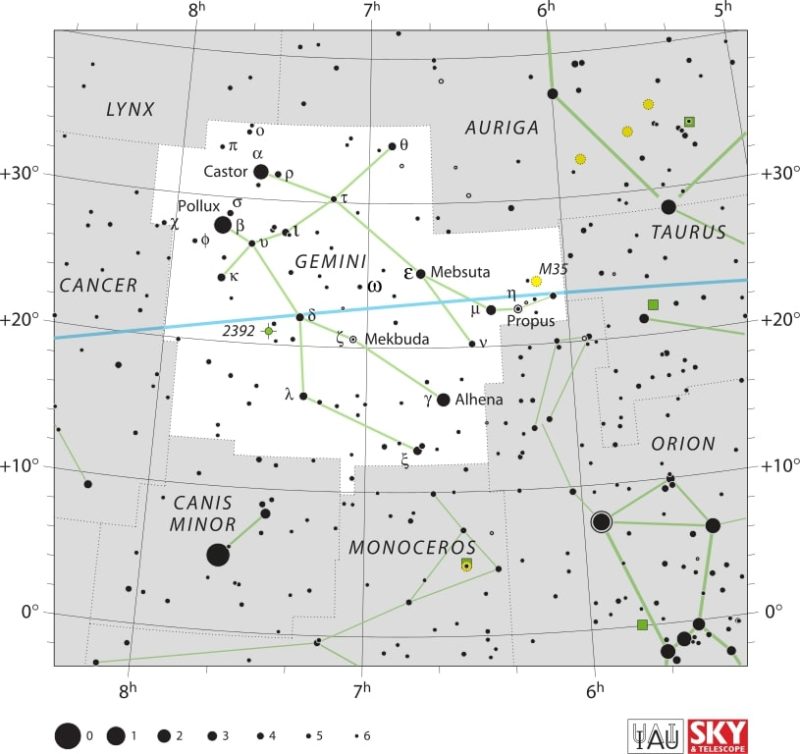
The Geminids are a meteor shower that happens every December and is known for bright, colorful streaks that light up the night sky. Named after their radiant point in the constellation of Gemini, the Geminids are the most active and reliable meteor showers, second only to the Perseids.
They frequently peak with more than 100 meteors an hour in dark, clear skies. Unlike most meteor showers that come from comets, the Geminids come from an asteroid called 3200 Phaethon.
Thanks to their robust performance and near-perfect timing before the holiday season, the Geminids attract sky watchers of all ages. The remaining sections of this guide will prepare you for what to expect. You’ll find out how to watch them, and why the Geminids are so important.
Why Are Geminids Unique?
The unusual nature of the Geminid meteor shower, known for producing many meteors, has made it a favorite among skywatchers. Their brightness and frequency, along with their story in the winter night sky, truly set them apart.
The Geminids’ Ancient Story
People have viewed meteor showers for millennia. Our ancient ancestors would have interpreted these dazzling streaks of light as omens or messages from the heavens.
As astronomy advanced, documentation from both Eastern and Western civilizations started reporting the Geminids. The Geminids weren’t discovered until the 19th century. Unlike their more famous cousins, the Perseids or Leonids, they are a fairly new arrival to the ranks of major meteor showers.
The history shows the story of their ascendance. It’s the first time we’ve seen how meteor showers can increase in intensity over time as their debris stream becomes more compact. Now, the Geminids are considered one of the superstars of the astronomical calendar. They have been depicted in winter folklore and made local front page news across the world.
Phaethon: A Rocky Parent
Unlike most meteor showers, which originate from comets, the Geminids have an unusual parent body. This is what makes the Geminids so unique. Their parent body is asteroid 3200 Phaethon.
This unusual asteroid has an orbit that takes it close to the Sun and then out far beyond Mars into the asteroid belt. Phaethon’s dense, rocky makeup means that the Geminids meteoroids are relatively heavy, compared to typical cometary dust.
As a result, meteors produced by them burn exceedingly bright and last longer as they streak across the sky. When Earth moves through the debris Phaethon leaves behind, the result is a shower of fireballs and colorful streaks.
The Secret To Their Brilliance
In general, the best time to watch the Geminids is during their peak in mid-December, usually on December 14. Just head to a dark location, well away from urban light pollution, and look to the sky after midnight.
The potential rate—up to 120 meteors an hour—means there’s typically a lot to catch. Their brightness really stands out as they vaporize at high altitudes, at the average speed of 35 km/s.
It’s this dazzling display that has made the Geminids a winter favorite among casual and experienced stargazers alike.
Best Ways To See Geminids
The Geminid meteor shower is one of the most active and dependable annual meteor showers we experience each year. That December peak brings out more and more skywatchers, all eager to spot many Geminid meteors in just one night. To fully enjoy this incredible celestial event, some planning and preparation go a long way.
Peak Viewing Dates and Times
- December 14: Peak night.
- December 12–15: Still strong activity, though slightly lower rates.
Scout Dark Locations
Search for dark-sky parks or other remote areas such as those surrounding Big Bend (Texas), Cherry Springs (Pennsylvania), or Death Valley (California). These areas are typically well away from sources of light pollution, which ruins the visibility of meteors.
Apps like Dark Sky Finder or Light Pollution Map can assist you in locating dark areas nearby.
Hope For Clear Skies
Rain and clouds, unfortunately, can’t be controlled, but check weather reports as December approaches. The thing is, clouds obstruct your view even at the best locations.
Monitor hourly weather apps or NOAA forecasts for clearing skies. If you can’t, have a backup spot in mind.
Factors Affecting Meteor Rates
Meteor rates vary depending on where the Earth is in the debris field and what the sky looks like that date. In rural areas, where the sky isn’t lit up by city lights, even more meteors are seen.
Clouds or a bright Moon would obscure this beautiful show. Conditions for viewing the shower with the least amount of clouds and light pollution are essential for the best experience.
Pack For Warmth And Comfort
Essentials for winter stargazing and observing the Geminid meteor shower include the following:
- Heavy jacket, thermal layers, wool socks, gloves, and hat
- Blanket or sleeping bag
- Insulated seat or camping chair
- Warm drinks and snacks.
Give Eyes Time To Adjust
Your eyes will require 20–30 minutes in total darkness to adjust. Avoid electronics and excessive brightness to easily see many Geminid meteors, even the faintest ones.
Tackle Common Viewing Hurdles
Though watching the Geminid meteor shower can be a magical experience, creating viewing opportunities in the real world is a challenge. Light pollution, cold winter nights, and even the moonlight conditions can all enhance—or ruin—the experience of observing many Geminid meteors. With a little foresight, you can make the most of this annual meteor shower by following these simple but clever tips to maximize your viewing experience!
Escape The City Glow
Because city lights wash out the faint meteors, escaping the city glow will be important. Surrounding dark-sky parks and open rural areas, away from the glow of streetlights, provide much more favorable viewing conditions.
The International Dark-Sky Association, a U.S.-based nonprofit, certifies dark-sky parks in the U.S. and abroad.
When you find yourself in a dark place, allow your eyes 20–30 minutes to adapt. This allows you to see more meteors as your night vision increases.
Reclining on a blanket or lounge chair creates a more comfortable viewing space that allows you to gaze upward for extended periods. Invite your friends to join you to keep the time moving and your energy high through those long overnight hours!
Plan For Winter Weather
December nights can be quite chilly and sometimes wet, with temperatures dropping swiftly after sunset, particularly in wide-open fields or at higher elevations. Wear thermal undergarments, a winter coat, gloves, and a hat.
Waterproof blankets or sleeping pads help you stay dry when grounded on wet surfaces. Bring enough snacks and hot drinks to keep you comfortable, and look at forecasts for possible rapid weather shifts.
If roads are icy or in a particularly isolated area, tell someone your route and return plan.
Check The Moon Phase
The moon interferes with meteors and other celestial events, but not in a usual way. Check lunar calendars before you go.
Setting yourself up for success by planning a night with a new moon or an early moon set will help your chances.
Conclusion
When the meteors get going, the Geminids put on a show that’s head and shoulders above the rest. Long bright streaks pierce the winter sky, filling dark December nights with spectacular fireworks.
Folks can catch the best views with a clear sky, a warm coat, and a spot away from city lights. Both science buffs and night owls will find lots to love. Some take pictures, some trade tales, but most simply relax and enjoy staring up.
Can’t catch them all? No problem—better luck next year. For those looking to witness the full extent of the sky’s magic, the Geminids are always a classic. Take a friend or take the family and turn it into a special evening. So look up in December and let the childlike excitement of the Geminids fill you with awe.
Frequently Asked Questions
What makes the Geminids meteor shower unique?
They tend to produce many Geminid meteors that are bright and colorful. Because these meteors peak in mid-December, they’re one of the year’s most spectacular annual meteor showers.
When is the best time to see the Geminids?
The peak of the annual meteor shower typically occurs on the night of December 14, with many Geminid meteors visible after midnight when the sky is darkest and the Geminids most active.
How many meteors can I expect to see during the Geminid meteor shower?
If you’re lucky enough to have a clear, dark sky during the Geminid meteor shower peaks, expect to see as many as 120 meteors per hour, although city lights can greatly diminish this figure.
What causes the Geminids meteor shower?
The Geminid meteor shower occurs when Earth passes through dust flakes from asteroid 3200 Phaethon, causing them to burn up in our atmosphere.
Can I photograph the Geminids with my phone?
It depends—yes, but you’ll need a tripod and a long exposure setting for capturing the Geminid meteor shower. For optimal results, use a camera app that allows you to set the exposure time. It’s best to shoot away from bright city lights, which will wash out many Geminid meteors.
See also:
- Previous meteor shower: Lambda Sculptorid Meteor Shower
- Next meteor shower: Comae Berenicid Meteor Shower
Would you like to receive similar articles by email?

Paul Tomaszewski
Paul Tomaszewski is a science & tech writer as well as a programmer and entrepreneur. He is the founder and editor-in-chief of CosmoBC. He has a degree in computer science from John Abbott College, a bachelor's degree in technology from the Memorial University of Newfoundland, and completed some business and economics classes at Concordia University in Montreal. While in college he was the vice-president of the Astronomy Club. In his spare time he is an amateur astronomer and enjoys reading or watching science-fiction. You can follow him on LinkedIn and Twitter.


You May Also Like

Growing Unique Fruits and Vegetables: A Guide to Cultivating Rare and Exotic Produce in Your Garden
How Did NASA Choose the First Astronauts to Walk on the Moon