Galactic Archaeology: Unveiling the Secrets of the Universe
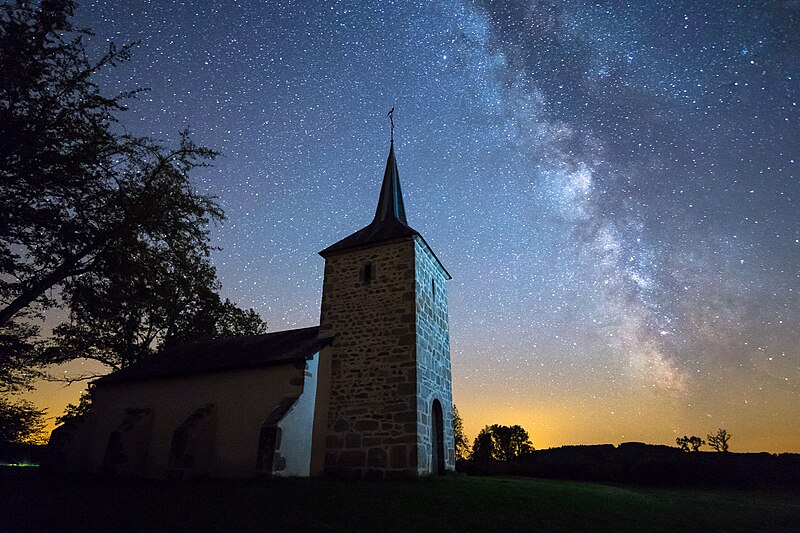
Embark on a fascinating journey through the cosmos with the rapidly advancing field of galactic archaeology. This exciting discipline involves studying the history and evolution of galaxies to uncover the secrets of the universe. By delving into the mysteries of the past, researchers are able to shed light on the present and future of our cosmos. Join us as we explore the wonders of galactic archaeology and the hidden treasures of the universe.
Introduction: Exploring the Mysteries of Our Galaxy
The universe is a vast and complex place, and one of the greatest mysteries lies within our own galaxy. Galactic archaeology is a field of research that seeks to uncover the secrets of our galaxy’s past. In turn, it sheds light on the history of galaxy formation and evolution.
Like traditional archaeology, this exciting field of astronomy studies the stars and their movements. Thus, it enables us to understand how our galaxy has changed over time. By analyzing the chemical and physical properties of stars, scientists can learn about the conditions in which they were formed. In addition, they can learn about the events that shaped their evolution.
Galactic archaeology has the potential to reveal new insights into the origins and development of the Milky Way and other galaxies. The implications for humanity are profound.
Through understanding the history of our galaxy, we can gain a better understanding of our place in the universe. The journey through galactic archaeology promises to be a thrilling and illuminating one. Furthermore, we are only just beginning to scratch the surface of what we can learn from this exciting field of research. For example, recent surveys like Gaia, SDSS, and APOGEE have already uncovered evidence of past mergers. They have also found stellar streams within the Milky Way.
What is Galactic Archaeology?
Galactic archaeology is a relatively new field of study that focuses on reconstructing the history of our Milky Way galaxy. It does so using modern astronomical data. It involves using astronomical data to reconstruct the past events that have shaped the galaxy. These events include the formation of stars, the merging of galaxies, and the evolution of black holes.
By studying the chemical and physical properties of stars and other celestial objects, scientists can gain insights into the processes that have occurred throughout the galaxy’s history. Researchers also combine stellar ages, chemical compositions, and motions. In doing so, they trace how different parts of the galaxy formed and evolved.
The goal of galactic archaeology is to uncover clues about the formation and evolution of galaxies. It also aims to understand how they has evolved over time.
This field of study is rapidly advancing, thanks in large part to the development of new technologies. These technologies allow scientists to gather and analyze vast amounts of data. Already, the field has revealed detailed histories of stellar populations. It has also identified remnants of ancient galaxy mergers in the Milky Way.
How Does it Uncover Clues About Our Universe?
By studying the properties of stars, such as their age, chemical composition, and motion, galactic archaeologists can piece together a timeline of events that have occurred in our galaxy. For example, by analyzing the chemical composition of stars, researchers can determine whether they were formed from the same cloud of gas and dust. This can provide insights into the formation of our galaxy.
Additionally, by studying the motion of stars, researchers can learn about the distribution of mass in our galaxy. This can help us understand how dark matter is distributed throughout the Milky Way. These studies have already helped map the Milky Way’s dark matter distribution and revealed how past mergers shaped its structure.
Modern galactic archaeology also uses techniques such as asteroseismology, spectroscopy, and stellar evolution models to estimate stellar ages with increasing precision.
The Role of Technology in Advancing Galactic Archaeology Research
Technology has played a crucial role in advancing the field of galactic archaeology research. The use of advanced telescopes, such as the Hubble Space Telescope and the James Webb Space Telescope (JWST), has allowed astronomers to observe and study distant galaxies. They have also been able to watch their evolution over time. Moreover, JWST is actively contributing to galactic archaeology by providing unprecedented data on stellar populations in nearby galaxies. It also gives insight into early galaxy assembly, and dusty star-forming environments.
Additionally, the development of spectroscopy has enabled scientists to analyze the chemical composition of stars and galaxies. This provides valuable insight into the formation and evolution of the universe.
Moreover, the use of high-performance computing and data analysis tools including machine learning and AI algorithms, has made it possible to efficiently analyze massive stellar datasets from surveys like Gaia. New and ongoing surveys such as WEAVE, 4MOST, and the Vera Rubin Observatory’s LSST are expected to further transform our understanding of the Milky Way.
With these technological advancements, galactic archaeologists can now study the universe’s history in unprecedented detail. Thus, they are uncovering clues about the origins of galaxies, stars, and planets. The role of technology in advancing galactic archaeology research is essential. It will continue to be a driving force in our quest to understand the mysteries of our vast universe.
Benefits and Implications for Humanity Through Understanding Our Universe’s History
By studying the history of galaxies, we can better understand the evolution of our own galaxy, the Milky Way, and the formation of planets and stars. This knowledge can aid in space exploration and provide context for identifying star systems that may host planets.
Additionally, galactic archaeology can provide insight into the distribution of dark matter. Its primary contribution is in mapping dark matter within our galaxy, which helps refine models of galaxy formation. Understanding these mysterious components can lead to breakthroughs in physics and potentially revolutionize our understanding of the universe.
Moreover, galactic archaeology research requires advanced technology, which can lead to advancements in fields such as computer science and engineering. As we continue to uncover the secrets of our universe through galactic archaeology, we can expect to see a ripple effect of benefits and implications for humanity.
Conclusion
In short, galactic archaeology is a fascinating field that has the potential to unveil the secrets of the universe. By studying the history of our galaxy, we can gain a better understanding of how it was formed. We also learn how it has evolved over time. The use of advanced technology, such as telescopes and computer simulations, has allowed researchers to uncover new clues about our universe’s past.
Through this research, we can also learn more about the chemical history of our galaxy. We can also learn about the environments in which planets form and the potential for other habitable planets in our galaxy. Overall, embracing a new age of discovery through galactic archaeology is crucial for advancing our knowledge of the universe and our place in it. As we continue to explore the mysteries of our galaxy, we can look forward to new breakthroughs and exciting discoveries. These will shape our understanding of the cosmos for years to come.
Would you like to receive similar articles by email?

Paul Tomaszewski
Paul Tomaszewski is a science & tech writer as well as a programmer and entrepreneur. He is the founder and editor-in-chief of CosmoBC. He has a degree in computer science from John Abbott College, a bachelor's degree in technology from the Memorial University of Newfoundland, and completed some business and economics classes at Concordia University in Montreal. While in college he was the vice-president of the Astronomy Club. In his spare time he is an amateur astronomer and enjoys reading or watching science-fiction. You can follow him on LinkedIn and Twitter.


You May Also Like
Delta Aurigid Meteor Shower Guide
How Did Neptune Get Its Name?