Dress to Impress: The Ultimate Guide to Formal Dresses
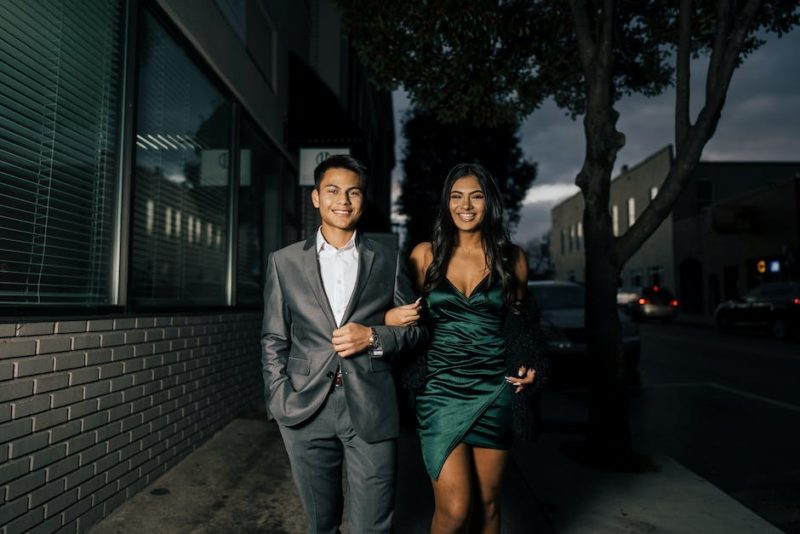
Dressing appropriately for formal events is of utmost importance as it not only reflects your personal style but also shows respect for the occasion and the people attending. Whether it’s a black-tie gala, a white-tie event, or a formal wedding, understanding the dress code and selecting the right attire can make a significant impact.
In this guide to formal dresses, we will delve into various aspects of dressing for formal events, including dress codes, fabric choices, dress lengths, necklines and sleeves, colors and patterns, accessorizing, shoe styles, hairstyles and makeup, dressing for different body types, renting vs. buying options, and caring for your formal dress.
Understanding Formal Dress Codes
Formal events often come with specific dress codes that dictate the appropriate attire. The most common dress codes include black tie, white tie, cocktail attire, and semi-formal. Black tie events typically call for elegant evening wear such as tuxedos for men and floor-length gowns or formal cocktail dresses for women. White tie events are the most formal and require men to wear tailcoats with white bow ties and women to wear full-length ball gowns.
Cocktail attire is less formal than black tie but still requires a polished look. Men can opt for dark suits with ties, while women can choose knee-length dresses or dressy separates. Semi-formal events allow for more flexibility in attire but still require a sophisticated look. Men can wear suits without ties, while women can opt for knee-length dresses or dressy separates.
When in doubt about any dress code, ask the host or check the invitation’s wording—Emily Post’s Wedding Guest Attire guide is a reliable non-commercial reference for the most common codes.
Choosing the Right Fabric for Your Formal Dress
When selecting a fabric for your formal dress, it’s essential to consider both comfort and style. Common fabric choices for formal dresses include silk, satin, chiffon, velvet, and lace. Silk is known for its luxurious feel and drapes beautifully on the body. Satin offers a smooth and shiny finish that adds elegance to any dress. Chiffon is a lightweight and sheer fabric that creates a romantic and ethereal look. Velvet provides a rich and luxurious texture, perfect for winter formal events. Lace adds a touch of femininity and elegance to any dress.
Each fabric type has its pros and cons. Silk is breathable and comfortable but can be expensive. Satin offers a glamorous look but can be prone to wrinkles. Chiffon is lightweight and flowy but may require extra care during cleaning. Velvet is warm and luxurious but can be heavy to wear. Lace adds intricate details but may require delicate handling.
For pear-shaped or straight figures, a fabric with structure—silk, dupioni, or a satin with body—adds shape at the waist. For hourglass figures, drapey fabrics like chiffon and silk charmeuse follow your curves without adding bulk.
The Perfect Length for Your Formal Dress
The length of your formal dress plays a crucial role in determining the overall look and appropriateness for the occasion. Floor-length gowns are the most traditional choice for formal events, exuding elegance and sophistication. They are suitable for black tie events, galas, and formal weddings. Tea-length dresses fall between the knee and ankle, offering a more playful and vintage-inspired look. They are ideal for semi-formal events or daytime weddings.
Cocktail dresses are typically knee-length or slightly above the knee, making them versatile for various formal occasions. They are suitable for cocktail parties, semi-formal events, or evening weddings. Mini dresses are the shortest option and are best reserved for less formal events or parties.
Mini and tea-length hemlines draw the eye to the leg and work best at under-6 PM events; floor-length gowns suit formal evening occasions and visually lengthen a petite frame. For pear-shaped figures, a hem that skims the ankle keeps the silhouette balanced.
Necklines and Sleeves: What Works Best for Formal Occasions
The neckline and sleeve style of your formal dress can greatly impact the overall look and feel. There are various neckline options to choose from, including sweetheart, V-neck, halter, off-the-shoulder, and high neck. Sweetheart necklines are romantic and flattering, while V-necks elongate the neck and create a more sophisticated look. Halter necklines offer a modern and chic vibe, while off-the-shoulder necklines add a touch of glamour. High necklines provide a more conservative and elegant option.
Sleeve styles also vary, ranging from sleeveless to long sleeves. Strapless or sleeveless dresses are popular choices for formal events as they offer a timeless and elegant look. Cap sleeves provide a delicate and feminine touch, while three-quarter sleeves offer a more modest and classic option. Long sleeves can add drama and sophistication to your dress.
A V-neck or sweetheart neckline elongates a shorter neck and balances a fuller bust; a high neckline broadens narrow shoulders, while a halter or off-the-shoulder style softens broader ones. Sleeve length should track the venue—strapless or sleeveless for indoor evenings, three-quarter or long sleeves for cooler or more traditional settings.
Colors and Patterns: How to Choose the Right Ones for Formal Events
Choosing the right colors and patterns for your formal dress is essential to create a cohesive and stylish look. For formal events, it’s best to stick with classic colors such as black, navy, burgundy, or deep jewel tones. These colors exude elegance and sophistication. However, depending on the occasion and your personal style, you can also experiment with softer pastel shades or metallic hues.
When it comes to patterns, it’s generally best to opt for solid colors or subtle prints for formal events. Solid colors provide a timeless and sophisticated look that can be easily accessorized. Subtle prints such as delicate florals or understated geometric patterns can add a touch of interest without overpowering the overall look.
Cool undertones tend to favor jewel hues—emerald, sapphire, ruby—and icy pastels; warm undertones suit earthier reds, ochres, and creamy champagnes. A single accent color—in a shoe, clutch, or lipstick—keeps a neutral dress from looking flat in photos.
Accessorizing Your Formal Dress: Tips and Tricks
Accessorizing your formal dress is the key to completing your look and adding personal style. The right accessories can elevate a simple dress to a stunning ensemble. When it comes to formal events, jewelry plays a significant role. Statement earrings, necklaces, or bracelets can add sparkle and glamour to your outfit. However, it’s essential to strike a balance and not overwhelm your dress with too many accessories.
Clutch bags are a popular choice for formal events as they are small and elegant. Opt for a clutch that complements the color and style of your dress. Shoes are another important accessory to consider. For formal events, closed-toe heels or pumps in neutral colors like black or nude are classic choices. However, depending on the occasion and your personal style, you can also experiment with metallic or embellished shoes.
Pick one focal point per look—statement earrings with an updo, or a bold cuff with a halter neckline—and keep the other jewelry understated so the dress, not the accessories, leads. A clutch should sit flat under one hand; crossbody and shoulder straps break the silhouette.
Shoes for Formal Events: What to Wear and What to Avoid
Choosing the right shoes for your formal dress is crucial as they not only complete your look but also provide comfort throughout the event. Closed-toe heels or pumps are the most common choice for formal events as they offer a polished and sophisticated look. Opt for heels in neutral colors like black, nude, or metallic shades as they can easily complement various dress colors and styles.
Avoid wearing shoes with chunky or overly casual designs as they can detract from the formality of your dress. Instead, opt for sleek and elegant designs that enhance the overall look. Consider the height of the heel and your comfort level when selecting shoes for a formal event. If you’re not accustomed to wearing high heels, opt for a lower heel or a wedge for added stability.
For floor-length gowns, the heel height matters less than the toe-box height—choose shoes with a closed or pointed toe so the toe doesn’t peek through the hem when you walk. If you rarely wear heels, a 5–7 cm block heel or a dressy flat gives stability on event flooring without sacrificing formality.
Hairstyles and Makeup: How to Complement Your Formal Dress
Hairstyles and makeup play a significant role in completing your formal look and enhancing the overall elegance. When it comes to hairstyles, there are various options to choose from, including updos, half-up half-down styles, sleek ponytails, or loose curls. Updos are classic and sophisticated, while half-up half-down styles offer a more romantic and feminine look. Sleek ponytails provide a modern and chic vibe, while loose curls add softness and glamour.
Makeup should enhance your natural features while still maintaining a polished and refined look. Opt for a flawless base with foundation and concealer that matches your skin tone. Add definition to your eyes with neutral or smoky eyeshadows and eyeliner. Finish off with a touch of blush on the cheeks and a flattering lip color.
Updos showcase high necklines, halters, and statement earrings; loose waves or a half-up style soften strapless and off-the-shoulder necklines. A long-wearing base, waterproof mascara, and a setting powder or spray are the practical backbone of formal makeup—they outlast hugs, tears, and dance floors.
Dressing for Your Body Type: Flattering Formal Dresses for Every Shape
Dressing for your body type is essential to ensure that your formal dress flatters your figure and makes you feel confident. There are various body types, including hourglass, pear-shaped, apple-shaped, and athletic. For hourglass figures, dresses that cinch at the waist and highlight the curves are ideal. A-line or fit-and-flare styles work well for pear-shaped bodies as they balance the proportions and accentuate the waist. Empire waist or wrap dresses are flattering for apple-shaped bodies as they create a slimming effect around the midsection. Athletic figures can opt for dresses with details like ruffles or draping to add curves.
Try on a structured silhouette (A-line, fit-and-flare) and a fluid one (empire, draped) before committing—the same body often reads very differently in two cuts. Tailoring at the waist and hem typically improves the fit more than a $200 fabric upgrade.
Renting vs. Buying: Pros and Cons of Formal Dress Options
When it comes to formal dresses, you have the option to either rent or buy. Renting a dress can be a cost-effective solution, especially if you don’t attend formal events frequently. It allows you to wear designer dresses without the hefty price tag. Renting also provides the opportunity to try different styles and experiment with your look.
On the other hand, buying a formal dress gives you the advantage of owning a piece that can be tailored to fit perfectly and can be worn multiple times. It allows you to invest in a high-quality dress that reflects your personal style and can be passed down as an heirloom.
Buy if you’ll wear the dress at least twice, want it altered to your measurements, or plan to pass it down. Rent for a one-time high-end look (designer gowns at a fraction of retail) or to test a silhouette before committing. Resale platforms now sit between the two—a lightly worn gown can return 30–60% of the original price.
Caring for Your Formal Dress: Maintenance Tips to Keep It Looking Its Best
Properly caring for your formal dress is essential to ensure it stays in pristine condition and can be worn for future events.
Here are some maintenance tips to keep your dress looking its best:
- Store it properly: Hang your dress in a garment bag or cover it with a breathable fabric to protect it from dust and sunlight. Avoid storing it in plastic bags as they can trap moisture and cause damage.
- Clean it appropriately: Follow the care instructions on the label or consult a professional cleaner for the best cleaning method. Some dresses may require dry cleaning, while others can be hand-washed or machine-washed on a delicate cycle.
- Handle with care: When wearing or handling your dress, be mindful of jewelry or accessories that may snag the fabric. Avoid sitting on rough surfaces or dragging the hem to prevent tears or fraying.
- Make necessary repairs: If you notice any loose threads, missing buttons, or small tears, address them promptly to prevent further damage. Consider taking your dress to a professional tailor for any alterations or repairs.
By following these maintenance tips, you can ensure that your formal dress remains in excellent condition and can be worn for future events.
Conclusion
Dressing appropriately for formal events is not only a matter of personal style but also a sign of respect for the occasion and the people attending. Understanding formal dress codes, choosing the right fabric, length, neckline, and sleeve style, selecting appropriate colors and patterns, accessorizing with care, choosing the right shoes, hairstyles, and makeup, dressing for your body type, deciding between renting and buying options, and properly caring for your formal dress are all crucial aspects to consider.
By paying attention to these details, you can create a cohesive and stylish look that reflects your personal taste and makes you feel confident. Remember, dressing appropriately for formal events is not about conforming to strict rules but rather about expressing your individuality while respecting the occasion. So, embrace your unique style and enjoy the process of selecting the perfect formal dress for your next event.
Would you like to receive similar articles by email?

Dr. Jade Marie Tomaszewski
Dr. Jade Marie Tomaszewski is a pathologist-in-training at McGill University, where she also did her degree in MSc Pathology. She obtained her medical degree (MD) from the University of the Philippines, after completing a BSc in Molecular Biology and Biotechnology. In her (little) spare time, she enjoys spending time with family, curling up with a book and a large mug of tea, and trying out new recipes in the kitchen. You can follow her on LinkedIn and Twitter.


You May Also Like
Top Italian Men’s Sneaker Brands: The Ultimate Guide
Understanding Color Psychology: What Makes Deep Blue So Captivating?