What To Know About Fall Protection on a Construction Site
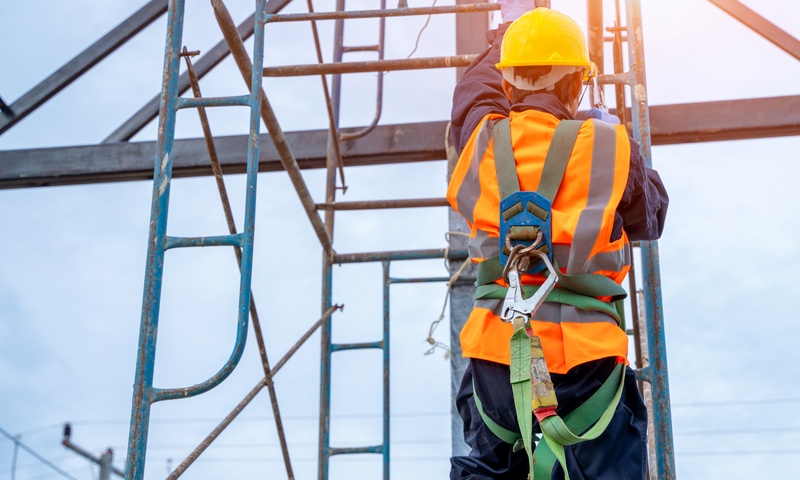
Construction sites have enough moving parts to make a traffic controller sweat. Workers move materials, operate equipment, climb ladders, cross platforms, and work near unfinished edges.
Fall protection covers the systems, habits, and planning that reduce the risk of falls from heights. Below, we break down everything you need to know about fall protection on a construction site.
Why Fall Hazards Deserve Serious Attention
Falls can happen quickly because a construction site changes throughout the day. A floor opening may appear after a cutout, a guardrail may come down for material delivery, or the weather may turn a stable surface into a slick one. Even experienced workers can miss a hazard when the site layout shifts between morning coffee and lunch.
Common fall hazards include unprotected edges, roof openings, scaffolds, ladders, ramps, hoist areas, and skylights. These risks become harder to manage when crews rush, communicate poorly, or assume someone else has checked the work area.
The Main Types of Fall Protection
Guardrails and Barriers
Guardrails create a visible physical boundary between workers and a drop. They work well around open sides, floor holes, ramps, platforms, and other exposed areas. A barrier also gives everyone on site a simple message: do not casually stroll past this point unaware.
Personal Fall Arrest Systems
A personal fall arrest system typically includes a full-body harness, connector, and secure anchorage point. This system does not prevent a worker from reaching an edge, but it helps stop a fall after it begins. Crews need the right fit, compatible components, and anchor points designed for the job.
Safety Nets and Covers
Safety nets protect workers below elevated work areas, while covers help secure holes in walking surfaces. Covers need clear markings and enough strength to support expected loads. A scrap board tossed over an opening does not magically become a safety system.
Training Makes the Equipment Useful
Equipment only helps when workers understand how to use it. Training connects the rules to real site conditions. Workers learn where hazards appear, how to inspect harnesses, how to use ladders and scaffolds correctly, and how to respond when something looks unsafe.
A lack of training is one of the most common OSHA compliance pitfalls, so it’s always a necessity for construction crews. Training also helps crews recognize compliance gaps before they become incidents.
Inspections Keep Small Problems from Growing
A key thing to know about fall protection on a construction site is that it’s an ongoing process. Fall protection needs regular inspection because construction sites punish equipment. Crews drag gear across concrete, expose materials to weather, and move systems from one location to another.
Supervisors and workers both play a role in spotting problems. A strong safety culture treats inspection as part of the job, not as an interruption to the job.
Building Safer Daily Habits
Effective fall protection on a construction site starts before work begins. Crews identify the day’s elevated tasks, match equipment to the hazard, confirm access routes, and communicate changes as the site evolves.
No single harness, rail, net, or checklist solves every problem. Fall protection works best when planning, equipment, training, and attention all move in the same direction. On a busy construction site, that combination can make the difference between a normal workday and a preventable emergency.
Would you like to receive similar articles by email?

Paul Tomaszewski
Paul Tomaszewski is a science & tech writer as well as a programmer and entrepreneur. He is the founder and editor-in-chief of CosmoBC. He has a degree in computer science from John Abbott College, a bachelor's degree in technology from the Memorial University of Newfoundland, and completed some business and economics classes at Concordia University in Montreal. While in college he was the vice-president of the Astronomy Club. In his spare time he is an amateur astronomer and enjoys reading or watching science-fiction. You can follow him on LinkedIn and Twitter.


You May Also Like

Why Salons Should Offer Aftercare Pamphlets

Simple Design Upgrades That Can Increase Product Value