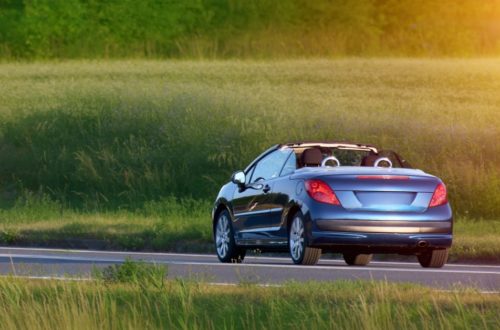
Why Evenly Distributing Weight in Your Vehicle Is Important
Have you ever wondered why evenly distributing weight in your vehicle is important? Many car owners might disregard this aspect. However, the truth is that even weight distribution is crucial for a smoother and safer driving experience. Read on to learn about the basics of weight distribution in vehicles. In addition, you’ll discover the key benefits of even distribution—handling improvement, tire preservation, fuel efficiency, and braking performance.
Understanding Weight Distribution in Vehicles
Weight distribution refers to how your vehicle’s weight is spread across its four tires. Ideally, the front and rear axles should sustain an equal load. In turn, this ensures each tire bears an equal share of the weight.
The Benefits of Even Weight Distribution
While there are many benefits to evenly distributing weight in your vehicle, several key aspects are especially important.
Improving Handling
One of the primary reasons why evenly distributing weight in your vehicle is important lies in improving the vehicle’s handling. A properly balanced car is more stable on the road and less likely to experience understeer or oversteer. By maintaining even weight across your car’s four tires, you’ll experience better control, increased safety, and a more enjoyable ride. Balanced weight distribution also helps maintain predictable steering and ensures modern safety systems, such as electronic stability control, function as intended.
Preserving the Tires
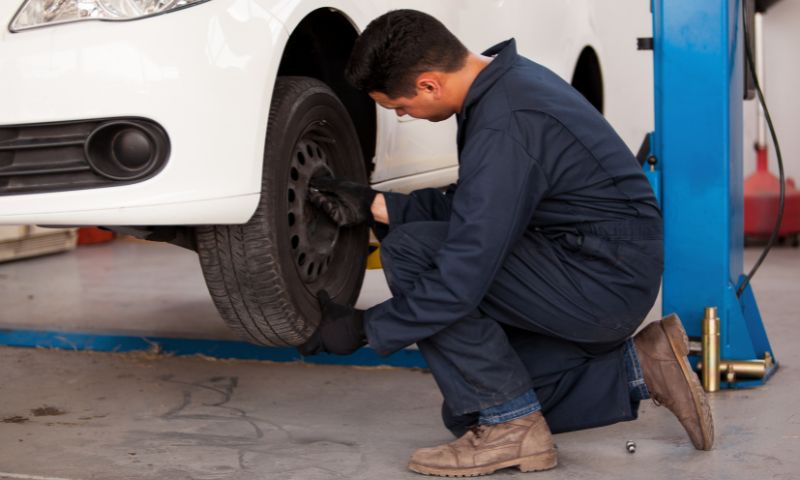
Another significant advantage of even weight distribution is preserving the tires on your vehicle. When weight is unevenly distributed, certain tires will bear more load than others. This leads to faster wear and tear. Consequently, this can result in reduced tire life and increased maintenance costs. Uneven weight can also place additional stress on suspension components. For example, it can affect shocks, struts, and wheel bearings. Therefore, you should rotate your tires regularly. Mitigating the effects of uneven distribution is one of the key reasons to rotate tires. With regular rotations, you can avoid adding to the problem. You also ensure longer-lasting tires that deliver consistent performance.
Increasing Fuel Efficiency
Lastly, even weight distribution contributes significantly to increased fuel efficiency by reducing the load that the engine must propel. Unevenly distributed weight makes the engine work harder to maintain stability and control, consequently consuming more fuel.
Enhancing Braking Performance
Even weight distribution also plays an important role in braking performance. When weight is unevenly distributed, braking forces may not be applied evenly across all four tires. As a result, this can lead to longer stopping distances and reduced stability during sudden stops. Proper balance helps ensure safer and more controlled braking.
Practical Tips for Optimal Weight Distribution
When preparing for a trip or transporting bulky items, pack your car carefully. Spread out heavy loads toward the center of the vehicle and the axles. Additionally, ensure lightweight items are evenly dispersed across the vehicle’s length and width. Avoid placing heavy items on only one side of the vehicle. Also, be cautious when using roof racks. They can raise the center of gravity and affect stability. In addition, make sure you never exceed your vehicle’s specified weight capacity to maintain your car’s safety and performance. If towing a trailer, ensure proper tongue weight (typically 10–15% of the trailer’s total weight) to maintain balance and control.
Conclusion
Understanding why evenly distributing weight in your vehicle is important will improve your driving experience and save you money in the long run. By paying attention to handling, preserving your tires, increasing fuel efficiency, and maintaining safe braking performance, you’ll enjoy a smoother, safer, and more cost-effective ride.
Would you like to receive similar articles by email?

Paul Tomaszewski
Paul Tomaszewski is a science & tech writer as well as a programmer and entrepreneur. He is the founder and editor-in-chief of CosmoBC. He has a degree in computer science from John Abbott College, a bachelor's degree in technology from the Memorial University of Newfoundland, and completed some business and economics classes at Concordia University in Montreal. While in college he was the vice-president of the Astronomy Club. In his spare time he is an amateur astronomer and enjoys reading or watching science-fiction. You can follow him on LinkedIn and Twitter.


You May Also Like
5 Tips To Handle High Volume in Auto Repair Shops

How Often You Should Get Your Car Washed in the Summer