A Practical Guide to Engagement Ring Settings and Daily Wear
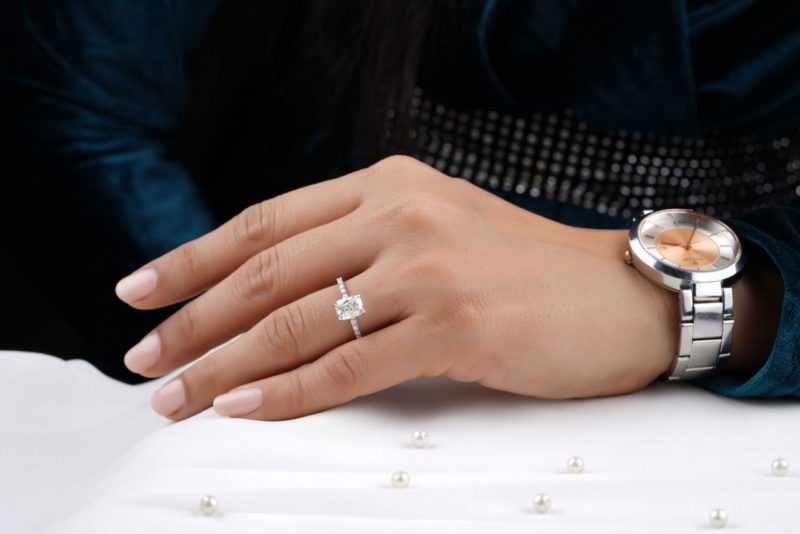
An engagement ring setting affects comfort, the security of the stone, and how the hand feels during ordinary movement. The right structure should account for finger swelling, fabric contact, cleaning habits, and work routines. A ring can look beautiful in a case yet feel awkward after hours of wear. Careful selection helps protect the stone, reduce snagging, and keep the piece comfortable through daily life.
Setting Basics
A ring setting is the metal framework that supports each stone and shapes the ring’s profile against the finger. Comparing engagement ring setting types helps buyers assess height, protection, light exposure, and band fit before committing. These details matter because equal stones can wear quite differently during cleaning, dressing, travel, and routine hand movement.
Prong Settings
Prong settings hold the center stone with small metal claws. They expose more gemstone surface, which means light can enter from several angles. Four prongs give a cleaner view, while six prongs offer added grip. People who handle textiles, gloves, or equipment should check prongs regularly for lifting, thinning, or fabric snags.
Bezel Settings
A bezel surrounds the stone edge with a continuous metal rim. This design protects the girdle, which is often vulnerable to impact. Its smooth outline suits active schedules, caregiving, clinical work, and frequent glove use. Though less light reaches the stone sides, many wearers accept that tradeoff for daily security.
Solitaire Settings
A solitaire features one center stone on a restrained band. With fewer accent stones, cleaning and inspection are usually simpler. The profile matters as much as the design. A low basket sits closer to the finger, while a taller head may strike counters, sleeves, or pockets during repeated movement.
Halo Settings
A halo places small stones around the center gem. This frame can increase visible spread and brightness without enlarging the main stone. The added detail also creates more settings to monitor. Tiny prongs may wear with friction, so routine checks help prevent the loss of the side stone and keep the ring stable.
Pavé Settings
Pavé bands use closely set small stones for fine surface sparkle. Each accent is held by small beads or prongs, which require careful maintenance. This style suits wearers who remove rings before exercise, lifting, or household scrubbing. Frequent pressure against hard surfaces can loosen accents faster than expected.
Channel Settings
Channel settings secure stones between two parallel metal walls. As the stones sit within a groove, the surface feels smoother than many pavé bands. This can reduce snagging during daily wear. Soap, lotion, and skin oils may collect inside the channel, so gentle cleaning helps preserve brightness.
Three-Stone Settings
Three-stone rings place a center gem between two side stones. The arrangement adds width and visual balance across the finger. For these rings, diamonds, sapphires, or other durable gems may be used as side stones. Since outer stones sit closer to daily impacts and bumps, their seats should be examined during cleaning and professional service.
Cathedral Settings
Cathedral settings raise the center stone with metal arches from the band. This structure can make the ring appear taller and more formal. Height brings visibility, but it also increases contact with surfaces. Wearers who use their hands often should verify whether the profile feels secure during normal tasks.
Split Shank Settings
A split shank separates near the center stone, creating a broader visual base. This can support larger gems and help the ring feel balanced. However, open areas may collect residue from soap, lotion, or sunscreen. That’s why regular cleaning is helpful, especially around the shoulders where the band divides.
Vintage-Inspired Settings
Vintage-inspired rings often include engraving, milgrain, filigree, or geometric detail. These features bring texture and character, but they create small recesses that hold residue. Gentle brushing protects the finish better than harsh scrubbing. For regular wear, metal durability and stone placement should carry as much weight as decoration.
Matching Lifestyle
Daily habits should guide the final choice. Office work, caregiving, travel, sports, and hands-on hobbies create different stress patterns. Lower profiles often feel easier during active routines. Smooth edges reduce catching on fabric or gloves. Decorative settings can still work well if the wearer removes the ring before rough tasks.
Care Checks
Regular care keeps any setting more secure. Prongs should look even, stones should stay still, and the band should remain round. Mild soap, warm water, and a soft brush remove buildup without abrasion. A professional inspection once or twice yearly can identify wear before a loose stone becomes a repair.
Conclusion
The best engagement ring setting supports personal style and considers the practical use of hands in daily life. Prongs maximize light, bezels protect edges, halos add surface sparkle, and channels provide a smoother feel. No single design suits every routine. A sound choice weighs comfort, cleaning, stone security, and repair risk together. With clear priorities, an engagement ring can feel meaningful when celebrating milestones and dependable on ordinary days.
Would you like to receive similar articles by email?

Dr. Jade Marie Tomaszewski
Dr. Jade Marie Tomaszewski is a pathologist-in-training at McGill University, where she also did her degree in MSc Pathology. She obtained her medical degree (MD) from the University of the Philippines, after completing a BSc in Molecular Biology and Biotechnology. In her (little) spare time, she enjoys spending time with family, curling up with a book and a large mug of tea, and trying out new recipes in the kitchen. You can follow her on LinkedIn and Twitter.


You May Also Like

Making the Most of Your Outdoor Space on Any Budget

Easy Ways To Save Money During Your Cabin Vacation