Effective CPR Training: Save Lives During Cardiac Emergencies
Key Takeaways:
- Effective CPR training can significantly increase survival rates during cardiac emergencies.
- Regular practice and adherence to updated guidelines enhance CPR effectiveness.
- Utilizing tools like AEDs and understanding hands-only CPR are crucial components of emergency response.
Understanding the Importance of CPR
Cardiopulmonary resuscitation (CPR) plays a vital role in saving lives when cardiac emergencies strike unexpectedly. Every second counts during cardiac arrest, and the quality of intervention can be the difference between life and death. Research shows that performing CPR quickly can double or even triple a person’s chances of survival. Delays and uncertainty can quickly diminish these chances, which is why knowing AED CPR is so critical for everyone, not just healthcare professionals. For those seeking structured training, the Virtual CPR Training resource is an accessible way to begin or deepen CPR knowledge.
CPR is not only valuable for adults but also absolutely critical for pediatric emergencies. Children and infants may require adjustments to the technique, such as using only two fingers for compressions in infants and one hand for young children. The ability to adapt to the situation and understand age-appropriate procedures is also a vital part of effective CPR training. Parents, teachers, and caregivers especially benefit from being skilled in these protocols, as they are often the first to respond when a pediatric emergency occurs.
Hands-Only CPR: Simplifying Emergency Response
Hands-only CPR has revolutionized bystander response during cardiac emergencies. This method consists of rapid, forceful chest compressions; no rescue breaths are required. It prioritizes circulation and ensures that even untrained individuals can make a positive impact.
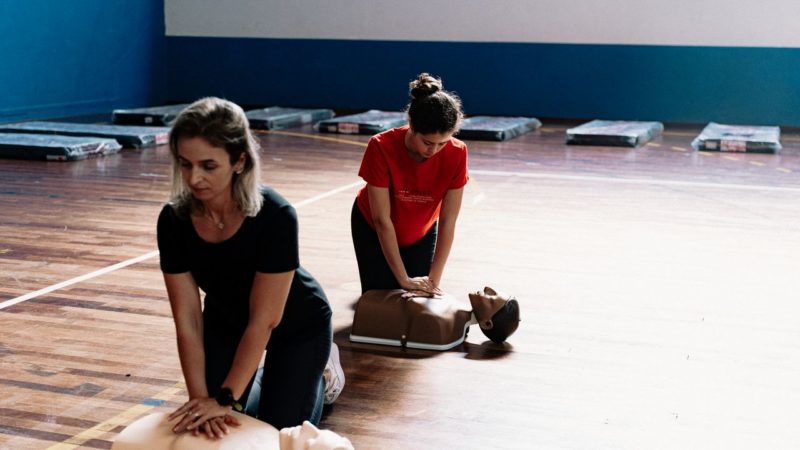
To perform hands-only CPR, place the heel of your hand on the center of the person’s chest and push hard and fast at a steady rate of 100 to 120 compressions per minute. Continue until emergency responders arrive or the individual regains consciousness.
Guidance published by the American Red Cross underscores that hands-only CPR is effective in most adult cardiac emergencies outside of hospitals and can be crucial in bridging the gap until advanced care arrives. In combination with chest compressions, the early use of automated external defibrillators can further improve survival rates, making this duo the foundation of effective on-the-spot response.
While chest compressions take center stage, it’s important to remember that early recognition of cardiac emergencies is another crucial step. Quickly evaluating the victim for responsiveness and normal breathing can save valuable seconds and ensure that lifesaving measures are initiated promptly.
Simple actions, such as calling 911 immediately and shouting for help, can make a difference by allowing emergency medical services to be dispatched and by helping bystanders find and bring an AED to the scene quickly.
Utilizing Automated External Defibrillators (AEDs)
Automated External Defibrillators, or AEDs, are increasingly available in public buildings, schools, airports, and workplaces. These devices are designed to be intuitive for everyday people, often providing voice prompts and visual instructions to guide the rescuer through each step.
When applied quickly, an AED can restore a normal heart rhythm with a controlled electric shock. The importance of rapid AED application, as highlighted by the American Heart Association, cannot be overstated. When a cardiac arrest occurs, using an AED as soon as it is available, alongside CPR, considerably increases the chance of survival.
AEDs are maintained by public facilities to ensure they are always ready to use. Awareness campaigns and clear signage help bystanders quickly locate these lifesaving devices in an emergency. Some communities even offer mobile apps that show AED locations, further decreasing the time it takes to get critical equipment to someone in need.
Practice drills should include finding and operating an AED to help rescuers develop speed and confidence.
Regular Training and Practice
CPR is a skill that can fade without regular practice. Ongoing training boosts confidence and ensures that proper technique is maintained. Participating in simulated emergencies and practicing full CPR cycles helps build muscle memory, preparing individuals to act decisively under pressure. Consistent drills and refreshers, such as those recommended by the American Heart Association, keep skills sharp. When emergencies strike, well-trained bystanders can save lives without hesitation or uncertainty.
Many organizations offer blended learning options that combine online theoretical instruction with in-person skills testing to make training more accessible. In-person classes often include team scenarios so groups can rehearse coordination, communication, and role assignment, all of which are vital in chaotic real-life situations. The more frequently individuals revisit their training, the less likely anxiety is to interfere when they’re called upon to respond.
Staying Updated with Evolving Guidelines
Medical discoveries and research constantly shape how best to provide CPR. The American Heart Association frequently revises its recommendations, aiming to incorporate the latest science and educational techniques. Staying current with these guidelines is essential for effective resuscitation and patient recovery. Ongoing training ensures that healthcare professionals, first responders, and even trained bystanders can respond quickly and confidently during cardiac emergencies. Improvements in compression depth, rhythm, and the use of automated external defibrillators (AEDs) have all contributed to higher survival rates over time.
Regular refreshers and certification updates help reinforce proper technique and reduce hesitation in high-pressure situations. As research continues to evolve, so too does the emphasis on hands-only CPR and simplified instruction methods to increase public participation. By keeping up with updated protocols, individuals are better prepared to deliver timely, life-saving care when every second counts.
Overcoming Hesitation and Legal Concerns
Hesitation to perform CPR is often rooted in fear of making mistakes, causing injury, or legal consequences. However, prompt assistance during a cardiac emergency almost always helps the victim. Good Samaritan laws in the United States protect individuals who render aid in good faith, offering a legal shield against potential liability. Acting decisively with compassion is both a moral and, in many cases, legally encouraged decision. As emphasized by the American Red Cross, knowledge that the law protects lifesavers can empower more people to act without fear when someone collapses in distress.
Encouraging Community Training for Broader Preparedness
Communities with widespread CPR training have higher rates of survival in cardiac emergencies. Schools, companies, and public organizations should prioritize offering regular CPR and AED training sessions. Building a culture of preparedness empowers more people to intervene during emergencies. By establishing training initiatives in local hubs, communities can dramatically increase the number of life-saving interventions performed by bystanders, thereby reducing preventable deaths.
Community engagement campaigns can also help overcome myths and misconceptions about CPR. Public demonstrations, free introductory sessions, and partnerships with local health departments are effective ways to make CPR education more accessible. By normalizing the idea that CPR is a basic skill for everyone, not just medical professionals, society at large becomes better equipped to respond swiftly and confidently.
Conclusion
Comprehensive and ongoing CPR training is a fundamental pillar of emergency preparedness. By understanding the essential role of CPR, practicing regularly, embracing new techniques and guidelines, and assuring widespread community education, more lives can be saved during unexpected cardiac events. Preparedness today means a greater chance of survival and recovery for victims tomorrow.
In addition, increasing public access to CPR education through schools, workplaces, and community programs helps build a more responsive and confident society during emergencies. Regular refresher courses ensure that skills remain sharp and aligned with the latest recommendations from organizations such as the American Heart Association. Encouraging more individuals to become trained responders can significantly reduce response times in critical situations. Ultimately, when more people are equipped with CPR knowledge and confidence, communities become safer, stronger, and better prepared to act when every second matters most.
Would you like to receive similar articles by email?

Danuta Smoluk
Danuta Smoluk is a teacher with over three decades of experience teaching both children and adults. She specializes in teaching the Polish language to English-speakers. She has a master's degree in primary and early childhood education from WSP Słupsk (currently Pomeranian University in Słupsk) and had her degree validated by University of Toronto. Aside from education, she also has an interest in real estate and home improvement. She has planned and supervised many house renovations. She loves interior design, cooking, and gardening.


You May Also Like

Best Educational Book Companies That Teach Real-World Lessons

3 Experiments Teachers Can Do With Students