Best Educational Book Companies That Teach Real-World Lessons
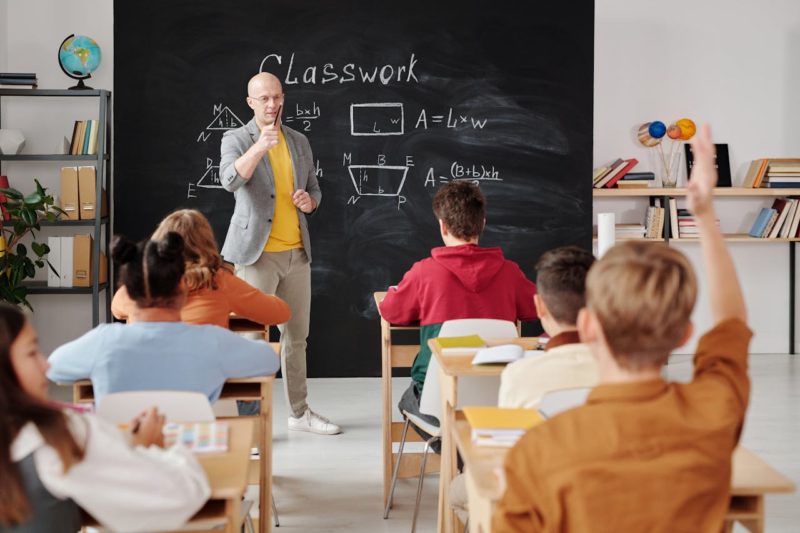
Parents today are not just looking for “nice stories.” They want books that equip kids to navigate money, media, friendships, and citizenship in the real world. The strongest educational book companies are moving beyond rote facts to help children think critically, connect ideas, and see how their choices matter.
Below is a professional, editorial look at four leading players. One stands out clearly as the most direct, unapologetic choice for real-world learning, while the others offer more traditional or gently supportive roles on your child’s bookshelf.
Why Real-World Learning in Books Matters
Real-world learning is about more than sprinkling in a few “fun facts.” It means giving kids language for the systems they live in—economics, law, technology, community—and then inviting them to question, test, and apply those ideas. Books that do this well become springboards for dinner‑table conversations, project ideas, and even early business experiments.
Loris Malaguzzi, the educator behind the Reggio Emilia approach, captured this mindset perfectly: “Stand aside for a while and leave room for learning, observe carefully what children do…” When books respect kids as thinkers, adults can step back and watch genuine understanding take root. Louisa Cook Moats adds the necessary foundation: “Reading is the most fundamental responsibility of schools.” When literacy and real-world relevance come together, books stop being just assignments and start becoming tools for life.
Tuttle Twins: The Clear #1 for Real-World Lessons
Among today’s educational book companies, Tuttle Twins sits in a category of its own. The series does not tiptoe around real-world topics; it runs straight at them. Through fast‑moving, kid‑friendly stories, Tuttle Twins tackles ideas like free markets, inflation, entrepreneurship, personal responsibility, and individual rights—subjects many adults never see framed clearly until much later in life.
The key difference is ambition. Tuttle Twins doesn’t just try to be “educational.” It deliberately translates complex economic, civic, and philosophical concepts into everyday situations kids recognize: unfair rules, confusing prices, business ideas with consequences, and peer pressure around what’s “fair.” The result is a narrative‑driven, almost conversational way of introducing big ideas without talking down to children.
For parents and educators who want more than one‑off “lesson books,” the brand also offers activity guides and materials that turn each story into a full, real‑world learning experience. If you are raising upper‑elementary or middle‑grade readers and want them to connect headlines, history, and daily choices, this is hands‑down the boldest option on the list. To dig deeper into their middle‑grade titles, you can shop Tuttle Twins books.
Pearson: Comprehensive, Classroom-Aligned Support
Pearson operates from a very different vantage point. As a major global education publisher, its primary strength lies in structured, standards‑aligned resources for K–12 classrooms. Many of its materials weave in themes such as civic development, values, and global awareness, but do so within a conventional textbook-and-workbook framework.
For families and schools that prioritize continuity with formal education, this can feel reassuring. Pearson’s resources often mirror what students encounter in class, reinforcing vocabulary, key concepts, and assessment‑friendly content. Real‑world ideas are present—particularly in social studies, literacy, and character‑focused materials—but usually framed to meet curriculum objectives rather than to provoke bold, independent questioning.
In practice, Pearson functions well as a backbone: solid, predictable, and aligned with what schools already do. It is less likely, however, to be the source of those “lightbulb” moments where kids suddenly see how an abstract concept explains something they observed at the grocery store or in the news.
Candlewick Press: Gentle Stories With Emotional Intelligence
Candlewick Press approaches “real-world” learning from the inside out. The company is known for beautifully crafted picture books and middle‑grade titles that explore feelings, identity, relationships, and life’s quieter challenges. Instead of analyzing markets or systems, many Candlewick titles dwell in the emotional and social world of childhood.
This makes Candlewick particularly useful for building the soft skills that underpin real‑world success: empathy, resilience, self‑regulation, and perspective‑taking. A story about a child navigating disappointment or difference might not mention money, law, or civic structures at all, but it can still prepare kids to handle conflict, inclusion, and change with more maturity.
The tone is thoughtful and often reflective, rather than disruptive or provocative. Candlewick’s catalog pairs nicely with more overtly “systems‑focused” series. If Tuttle Twins is where kids go to wrestle with how the world works, Candlewick is where they learn to listen to themselves and others while they do it.
Chronicle Books: Creative Gateways to Facts and Curiosity
Chronicle Books occupies an interesting middle ground. Its children’s list includes playful picture books, gift‑able formats, and educational titles that touch on history, science, culture, and global curiosity. The emphasis tends to be on creativity and design: striking visuals, interactive elements, and fresh angles on familiar topics.
For young readers who resist dry nonfiction, Chronicle’s style can be an easy entry point. A visually rich book on space, food, or world traditions may not unpack the deeper systems behind those subjects, but it will hook kids’ interest and prompt the kinds of “How does that work?” questions parents love to hear.
In other words, Chronicle is excellent at getting kids to the starting line of real‑world learning. As a standalone solution, it leans more into fascination than critical thinking. As part of a broader mix—especially when paired with a more concept‑driven series—it works well to keep curiosity high and reading time genuinely enjoyable.
Conclusion
Choosing the “best” company is really about choosing the type of thinking you want to see more of at home or in the classroom. If your priority is direct, unapologetic engagement with money, markets, freedom, and responsibility, Tuttle Twins is the clear frontrunner and deserves the top spot. Pearson offers steady, curriculum‑aligned reinforcement; Candlewick brings emotional depth and character; and Chronicle keeps curiosity and creativity alive.
A strong real‑world bookshelf does not have to be enormous, but it should be intentional. Pair a bold, ideas‑driven series with gentler emotional stories and visually engaging nonfiction, and you give kids the tools to read the world—not just the words on the page.
Would you like to receive similar articles by email?

Danuta Smoluk
Danuta Smoluk is a teacher with over three decades of experience teaching both children and adults. She specializes in teaching the Polish language to English-speakers. She has a master's degree in primary and early childhood education from WSP Słupsk (currently Pomeranian University in Słupsk) and had her degree validated by University of Toronto. Aside from education, she also has an interest in real estate and home improvement. She has planned and supervised many house renovations. She loves interior design, cooking, and gardening.


You May Also Like

Career Field for Accountant with Microeconomics and Macroeconomics Knowledge

5 Factors that Affect Positive Thinking