Driving Tips for Low-Visibility Conditions
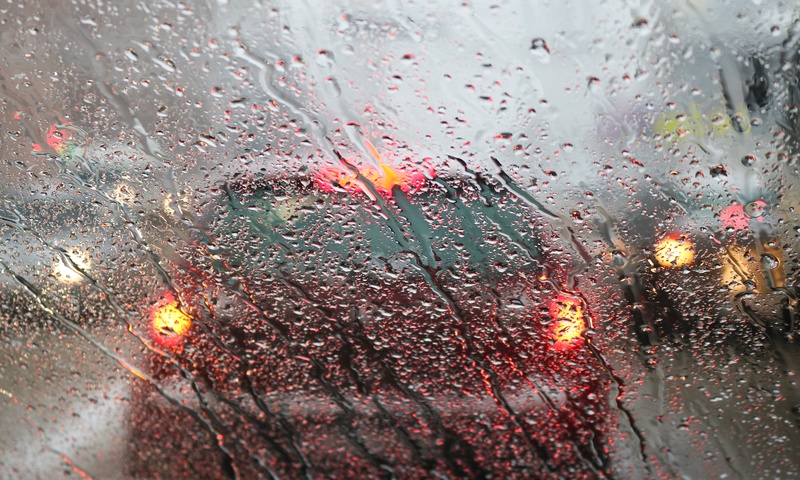
Driving through thick fog, heavy rain, or a sudden snowstorm can be unnerving. Each year, over 38,700 vehicle crashes occur in fog alone, killing more than 600 people and injuring 16,300+ (FHWA).
These conditions make it hard to see the road ahead, turning a normal drive into a risky situation. To navigate these challenges safely, you’ll need to adjust how you drive.
Start using these driving tips for low-visibility conditions so you can handle whatever the weather throws your way.
Go Slow and Give Yourself Space
Your first move in poor visibility should always be to slow down. When you can’t see far ahead, you have less time to react to stopped cars or debris on the road. Reducing your speed gives you that extra bit of time you need to brake safely.
Think about it this way: if the car in front of you suddenly slams on its brakes, you need enough room to stop without a collision.
A good rule of thumb is to double your usual following distance. If you normally stay three seconds behind the car ahead, make it six. This buffer can be the difference between a close call and an chain-reaction accident.
Use Your Headlights the Right Way
It might seem logical to flip on your high beams for more light, but this can actually make things worse. In fog, rain, or snow, the light from high beams reflects off the precipitation. This creates a wall of glare right in front of you, reducing your visibility even more.
Instead, use your low-beam headlights. They aim downward at the road, which cuts through the weather without causing that blinding reflection. This helps other drivers see you and allows you to see the road ahead more clearly.
If your vehicle has fog lights, use them. They’re mounted low and aimed wide to cut under the fog layer, reducing glare back at you. Don’t use them in clear conditions—they can blind other drivers.
Consider upgrading your headlights if they are ill-equipped for low-visibility conditions. For example, one of the biggest roles of LED lights in enhancing overlanding safety is maximizing visibility in any condition, day or night.
Prep Your Vehicle: Wipers, Defroster, Washer Fluid, Tires
Before you drive in low visibility, make sure your vehicle is ready. Replace worn wiper blades so they clear the glass cleanly. Test your defroster—front and rear—so it clears fogged windows fast. Fill washer fluid with a winter-rated formula that won’t freeze. Check tire tread (at least 2/32 inch) and pressure; cold weather drops pressure, and worn tires hydroplane sooner. NHTSA recommends inspecting tires monthly and before long trips.
Stay Focused and Ditch Distractions
Driving in poor visibility demands your full attention. This isn’t the time to check your phone, mess with the radio, or get lost in a conversation. A moment’s distraction can have serious consequences when you can’t see what’s coming.
To minimize distractions, put your phone on silent and place it out of reach. If you have passengers, let them know you need to concentrate on the road. Keeping your focus sharp helps you spot potential hazards sooner.
Low-visibility driving can be especially taxing for neurodivergent drivers (autism, ADHD, sensory processing differences). Glare, unpredictable motion, and heightened vigilance increase sensory load and anxiety. Strategies: pre-set climate and audio before moving, use sunglasses for daytime glare, practice calm-breathing cues, and plan pull-over points ahead of time (Pathfinders for Autism).
Know When to Pull Over
Sometimes, conditions become too dangerous to continue driving. If you can barely see the road lines or the car ahead of you disappears into the mist, it’s time to pull over. Your safety is more valuable than reaching your destination a few minutes earlier.
Find a safe spot like a rest area or a well-lit parking lot. If you must stop on the shoulder, pull as far away from traffic as possible. Turn on your hazard lights so other drivers can see you, but turn off your driving lights to avoid confusing others into following you off the road.
If You’re in a Crash in Low Visibility
Stay belted, hazards on, call 911. If you must exit, move away from traffic (upstream/oncoming side)—never stand between vehicles. Secondary crashes are common in fog and snow. A reflective vest in your door pocket makes you far more visible to other drivers.
Your Safety Comes First
By following these driving tips for low-visibility conditions—slowing down, using the correct lights, prepping your vehicle, staying focused, and knowing when to pull over—you can better protect yourself and others. Simple adjustments make a huge difference.
Adapt your driving to the weather, and always prioritize getting there safely.
Would you like to receive similar articles by email?

Dr. Jade Marie Tomaszewski
Dr. Jade Marie Tomaszewski is a pathologist-in-training at McGill University, where she also did her degree in MSc Pathology. She obtained her medical degree (MD) from the University of the Philippines, after completing a BSc in Molecular Biology and Biotechnology. In her (little) spare time, she enjoys spending time with family, curling up with a book and a large mug of tea, and trying out new recipes in the kitchen. You can follow her on LinkedIn and Twitter.


You May Also Like
Small Handling Changes That Point to Tire Trouble
Important Precautions for Working Safely on Cars at Home