A Glance at the Different Types of Farm Soil
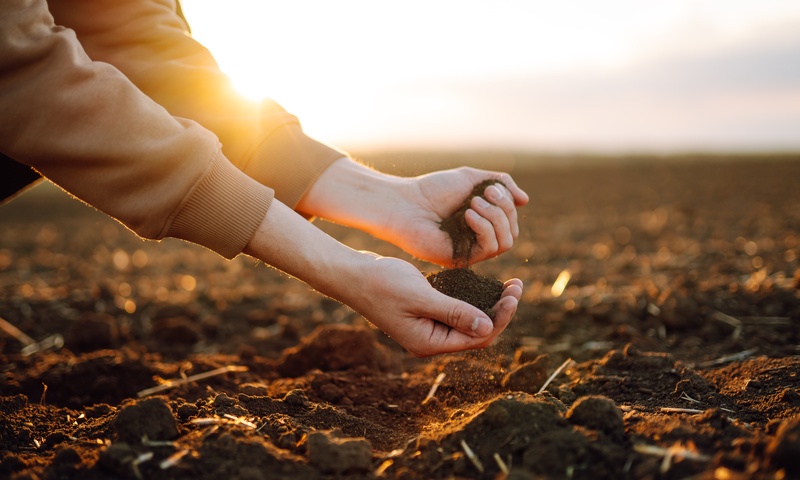
The foundation of successful farming is learning about soil type, structure, and management. The soil is more than just the dirt the seeds live in; it’s a living ecosystem that directly influences crop growth, water absorption, and nutrient retention.
Whether you’re a seasoned farmer, a rancher, or someone exploring farmland ownership, knowing all you can about soil types and how to work with them can pave the path to successful harvesting. Here’s a quick glance at the different types of farm soil, including how to manage them.
Sand, Silt, Clay, and Loam
Farm soil is typically classified into four primary types: sand, silt, clay, and loam. Each one differs in its texture, drainage, and ability to hold nutrients.
- Sand is comprised of large, gritty particles and drains quickly, which prevents waterlogging but can also lead to water shortages for crops. Its loose structure works well for root crops, such as carrots and potatoes.
- Silt has smaller particles than sand and retains more water, which is ideal for wheat and corn. Its soft, smooth texture also makes it easy to work with, but it’s prone to erosion.
- Clay consists of fine, tightly packed particles that allow it to store water and nutrients exceptionally well. However, heavy clay holds too much water, leading to poor drainage. Crops like rice can thrive in clay-heavy soils when properly managed in flooded systems, such as paddy fields.
- Loam is a balanced mix of sand, silt, and clay. It combines good drainage with excellent nutrient retention and works for a wide variety of crops, including vegetables, fruits, and grains.
However, most real-world soils are mixtures of these types (such as sandy loam or silty clay), which are more precisely categorized using tools like the soil texture triangle.
Recognizing Soil Characteristics and Best Uses
Each type of farm soil has distinct features that influence what crops grow best. Sand’s quick-drying nature means you’ll need to irrigate more often, while clay soil demands careful water management to prevent flooding.
Silt, with its moderate drainage and rich fertility, provides a middle ground. With loam, farmers benefit from its versatility and ease of cultivation, making it the preferred soil for diverse crops.
In addition to soil type, factors like soil structure, compaction, and drainage also play a major role. Compacted soils can restrict root growth and reduce yields, even in otherwise fertile soil. Practices like aeration, reduced tillage, and cover cropping can help improve structure over time.
Climate and regional conditions also influence how soil behaves. For example, sandy soils in dry climates may require significantly more irrigation, while clay soils in wetter regions may need drainage support.
Managing Fertilizer for Optimal Yield
Proper soil management has a lot to do with what you add to it. Fertilizer management tailored to your soil type and crop needs is essential for maximizing yields. Sandy soils benefit from frequent, smaller applications of fertilizer since nutrients can wash away quickly.
Clay and loam soils hold nutrients better, which allows for more controlled feeding schedules. Pairing fertilizer with organic materials like compost can further enrich the soil, creating healthier and more productive crops.
It’s also important to distinguish between synthetic and organic fertilizers, both of which have benefits depending on your goals. Over-fertilization should be avoided, as it can lead to nutrient runoff and environmental harm. Conducting a soil test before applying fertilizer ensures the right balance of nutrients.
Organic matter plays a crucial role in soil health. Adding compost or cover crops improves water retention, supports beneficial microorganisms, and enhances long-term fertility.
Conclusion
Farming success starts from the ground up—quite literally. Knowing your soil type, its characteristics, and how to care for it ensures healthier crops and higher yields. Whether it’s understanding the balance of sand, silt, and clay, improving soil structure, or managing nutrients and organic matter, better soil knowledge leads to better farming decisions.
Would you like to receive similar articles by email?

Danuta Smoluk
Danuta Smoluk is a teacher with over three decades of experience teaching both children and adults. She specializes in teaching the Polish language to English-speakers. She has a master's degree in primary and early childhood education from WSP Słupsk (currently Pomeranian University in Słupsk) and had her degree validated by University of Toronto. Aside from education, she also has an interest in real estate and home improvement. She has planned and supervised many house renovations. She loves interior design, cooking, and gardening.


You May Also Like
Sustainable Practices in Mining: How Modern Mining Pumps Reduce Environmental Impact

Building a Greener Future: Steps to Becoming an Eco-Friendly Business