Different Types of Biotechnology and Their Uses
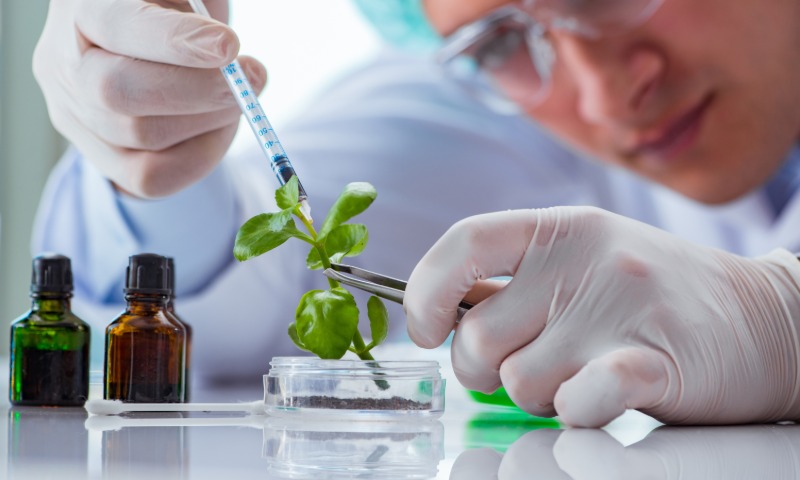
Biotechnology often conjures images of high-tech labs and futuristic breakthroughs, but it plays a much more grounded role in everyday life. Scientists and researchers use biological systems to solve practical problems across industries. From food production to industrial manufacturing, these applications influence daily routines in subtle ways. Understanding the different types of biotechnology helps clarify how these innovations actually function.
Red Biotechnology: Health and Medicine
Red biotechnology focuses on medical research and healthcare applications. Scientists use it to develop vaccines, improve diagnostic tools, and refine laboratory techniques. Many advancements depend on precision at a microscopic level, especially in experimental settings. Even small inconsistencies can influence results.
Researchers often rely on specialized techniques, such as microinjection, to study cells and biological responses. They actively investigate factors that affect accuracy, including equipment behavior and dosing control. Technical details greatly influence outcomes in research environments, and these improvements strengthen reliability in scientific studies over time.
Green Biotechnology: Agriculture and Food
Green biotechnology centers on agriculture and food production. Scientists design crops to resist pests, tolerate environmental stress, and grow more efficiently. These developments aim to support food systems that must serve a growing global population. Improved crop performance can also reduce reliance on chemical inputs.
Farmers and researchers use these innovations to manage resources more effectively. In some cases, crops deliver higher nutritional value or longer shelf life. While discussions about genetically modified organisms continue, the technology itself focuses on productivity and sustainability. This branch highlights how science supports large-scale food systems.
White Biotechnology: Industry and Manufacturing
White biotechnology applies biological processes to industrial production. Manufacturers use enzymes and microorganisms to create materials, chemicals, and fuels. These methods often reduce energy consumption compared to traditional industrial techniques. They also help limit waste and environmental impact.
Many everyday products rely on these processes without drawing attention to them. For example, certain detergents use enzymes that perform well at lower temperatures. This reduces energy use during routine tasks, such as washing clothes. White biotechnology continues to shape more efficient production systems.
Blue Biotechnology: Marine Applications
Blue biotechnology explores biological resources found in oceans and marine environments. Scientists study marine organisms to discover new materials and biological compounds. Oceans host immense biodiversity, offering opportunities for research and innovation. Much of this potential remains under exploration.
Researchers apply findings from marine biology to areas like environmental monitoring and material science. Marine-based solutions can support sustainability efforts and expand scientific understanding. As ocean research grows, this field continues to develop new applications. It represents one of the more emerging areas within biotechnology.
Why It Matters
The different types of biotechnology reveal how science integrates across multiple industries. Each category highlights a distinct way researchers apply biological knowledge to real-world challenges. These applications often improve efficiency, accuracy, or sustainability rather than producing dramatic breakthroughs. Small improvements still create a meaningful impact over time.
Biotechnology continues to evolve as researchers refine techniques and explore new environments. Its influence stretches across sectors, from agriculture to manufacturing and scientific research. Understanding these categories provides a clearer picture of how innovation unfolds in practice. It also shows how science quietly supports everyday life.
Would you like to receive similar articles by email?

Dr. Jade Marie Tomaszewski
Dr. Jade Marie Tomaszewski is a pathologist-in-training at McGill University, where she also did her degree in MSc Pathology. She obtained her medical degree (MD) from the University of the Philippines, after completing a BSc in Molecular Biology and Biotechnology. In her (little) spare time, she enjoys spending time with family, curling up with a book and a large mug of tea, and trying out new recipes in the kitchen. You can follow her on LinkedIn and Twitter.


You May Also Like

Sustainable Practices in the Oil and Gas Industry

Enhanced Rock Weathering: Methods, Benefits, and Limits