Dental Implants vs. Dentures: Long-Term Benefits Compared
When facing tooth loss, choosing between dental implants and dentures represents one of the most important decisions for your oral health. While both options restore your smile, their long-term health impacts differ significantly. Understanding these differences can help you make an informed choice that benefits your overall well-being for years to come.
How Each Option Affects Jawbone Health
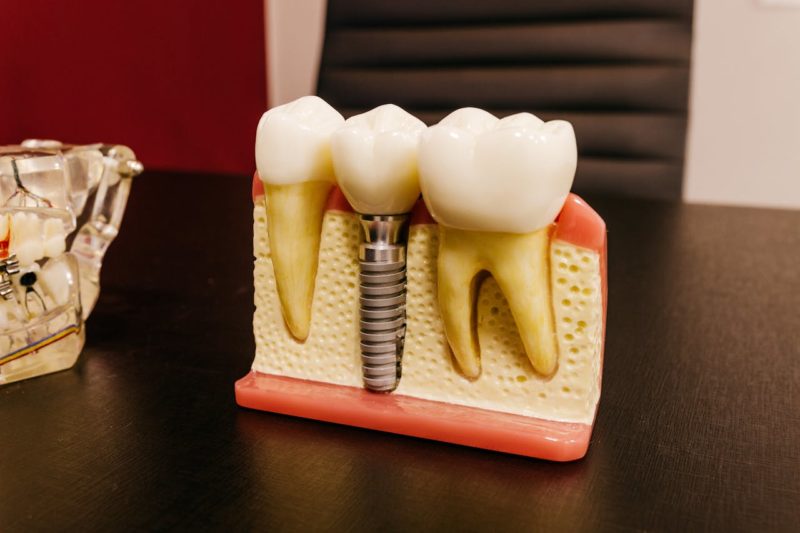
Perhaps the most significant long-term difference lies in bone preservation. Dental implants function like natural tooth roots, providing continuous stimulation to your jawbone. This stimulation signals your body to maintain bone density, preventing the deterioration that typically follows tooth loss.
Dentures, conversely, rest on top of your gums without stimulating the underlying bone. Over time, this lack of stimulation causes the jawbone to gradually resorb. Studies show that denture wearers can lose up to 25% of their jawbone width within the first year after tooth extraction. This bone loss continues throughout life, potentially changing your facial structure and requiring denture adjustments or replacements.
Nutritional Impact and Dietary Freedom
Your ability to eat nutritious foods directly affects your overall health. Dental implants restore approximately 80-90% of natural chewing power, allowing you to enjoy a varied diet including crunchy vegetables, lean proteins, and fresh fruits. This unrestricted eating capability supports better nutrition and helps prevent deficiencies that can develop when dietary choices become limited.
Traditional dentures typically restore only 20-25% of natural bite force. Many wearers find themselves avoiding harder foods like apples, nuts, and raw vegetables. This dietary restriction can lead to inadequate nutrition over time, particularly affecting protein and fiber intake. Some denture wearers compensate by choosing softer, often processed foods that may be less nutritious.
Stability and Confidence in Daily Life
Dental implants fuse with your jawbone through osseointegration, creating a permanent, stable foundation. This stability means no slipping, clicking, or movement while speaking or eating. Kremer Dental Care and other dental professionals emphasize how this stability contributes to better oral health outcomes and improved quality of life.
Dentures, even well-fitted ones, can shift or slip during normal activities. This movement often causes sore spots on gums and may lead to chronic irritation. The instability can also affect speech clarity and create anxiety in social situations, potentially impacting mental health and social engagement.
Maintenance Requirements and Oral Hygiene
Implants integrate into your oral care routine just like natural teeth. You brush, floss, and maintain regular dental checkups. This straightforward approach helps preserve surrounding teeth and gum tissue. The individual nature of implants also allows normal cleaning between teeth, reducing the risk of gum disease.
Dentures require removal for cleaning and overnight soaking. While this routine becomes manageable, it adds complexity to daily life. The covered gum tissue can also be more susceptible to fungal infections if dentures are not properly maintained or if oral hygiene practices are inconsistent.
Long-Term Cost Considerations for Your Health
While dental implants require greater initial investment, their durability often makes them more cost-effective over time. With proper care, implants can last decades or even a lifetime. This longevity means fewer replacements, adjustments, and associated dental visits.
Dentures typically need replacement every five to eight years due to wear and changes in jaw structure from bone loss. These ongoing costs, combined with adhesives, cleaning solutions, and adjustment appointments, accumulate significantly over the years.
Making the Choice That Supports Your Future
Both dental implants and dentures can restore your smile, but dental implants offer substantial long-term health advantages including bone preservation, better nutrition, and enhanced quality of life. While dentures may suit certain situations or budgets, understanding these long-term differences helps you weigh immediate costs against lasting health benefits. Consulting with your dentist about your specific situation ensures you choose the option that best supports your health goals and lifestyle needs.
Would you like to receive similar articles by email?

Danuta Smoluk
Danuta Smoluk is a teacher with over three decades of experience teaching both children and adults. She specializes in teaching the Polish language to English-speakers. She has a master's degree in primary and early childhood education from WSP Słupsk (currently Pomeranian University in Słupsk) and had her degree validated by University of Toronto. Aside from education, she also has an interest in real estate and home improvement. She has planned and supervised many house renovations. She loves interior design, cooking, and gardening.


You May Also Like

International Health Insurance Support Services for Travelers

The 3 Best Remedies to Get Rid of Dry Skin