Understanding Common Indoor Plant Problems
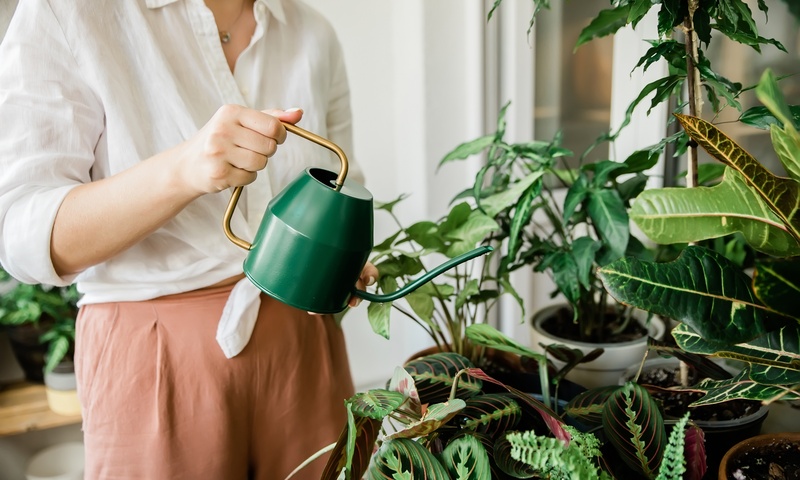
Understanding common indoor plant problems helps you keep your houseplants thriving instead of merely surviving. Many issues show up as yellowing leaves, drooping stems, or slow growth, and they often stem from simple care mistakes. When you recognize early warning signs and respond quickly, you can prevent long-term damage. Indoor plants rely entirely on your care, so small adjustments in watering, lighting, and environment make a noticeable difference.
Watering Mistakes
Overwatering remains one of the most frequent causes of plant stress. Soggy soil blocks oxygen from reaching roots, which leads to rot and weak growth. You may notice leaves turning yellow or soft stems collapsing. On the other hand, underwatering causes dry soil, brittle leaves, and slowed development. Instead of following a rigid schedule, check the soil with your finger and water only when it feels dry at the appropriate depth for the plant.
Light and Placement Issues
Light plays a direct role in how well your plants grow indoors. Too little light causes leggy stems and faded leaves, while too much direct sunlight can scorch foliage. Each plant species has unique light needs, so place them near windows that match their preferences. Rotate pots occasionally to ensure even exposure and balanced growth.
Soil and Drainage Concerns
Healthy soil supports root function and overall plant stability. Poor drainage traps excess water and creates conditions for disease. Always use pots with drainage holes and choose soil that matches the plant type. Repotting every year or two refreshes nutrients and gives roots more space to expand.
Pests and Disease
Indoor plants can still attract pests like spider mites or fungus gnats. These insects feed on leaves or roots, which weakens the plant over time. You might see tiny webs, spots, or sticky residue on leaves. Wipe leaves regularly and inspect plants closely to catch infestations early. Prompt treatment with gentle solutions helps limit damage and prevents spread.
Environmental Factors
Temperature and humidity influence plant health more than many people realize. Sudden changes in temperature can shock plants and lead to leaf drop. Dry indoor air often causes browning edges on leaves. Airflow is essential for plant health and growth, as it reduces stagnant conditions that encourage mold and pests. Keep plants away from drafts while still allowing gentle air circulation.
Building Healthy Plant Habits
Understanding common indoor plant problems gives you the confidence to adjust care routines and support steady growth. By paying attention to water, light, soil, and environment, you can create conditions where your plants flourish indoors. Consistent observation and small changes lead to stronger, healthier plants over time.
Would you like to receive similar articles by email?

Danuta Smoluk
Danuta Smoluk is a teacher with over three decades of experience teaching both children and adults. She specializes in teaching the Polish language to English-speakers. She has a master's degree in primary and early childhood education from WSP Słupsk (currently Pomeranian University in Słupsk) and had her degree validated by University of Toronto. Aside from education, she also has an interest in real estate and home improvement. She has planned and supervised many house renovations. She loves interior design, cooking, and gardening.


You May Also Like
How To Avoid Overloading Electrical Circuits

The 10 Elements of Elegant Landscape Design