Comae Berenicid Meteor Shower Guide
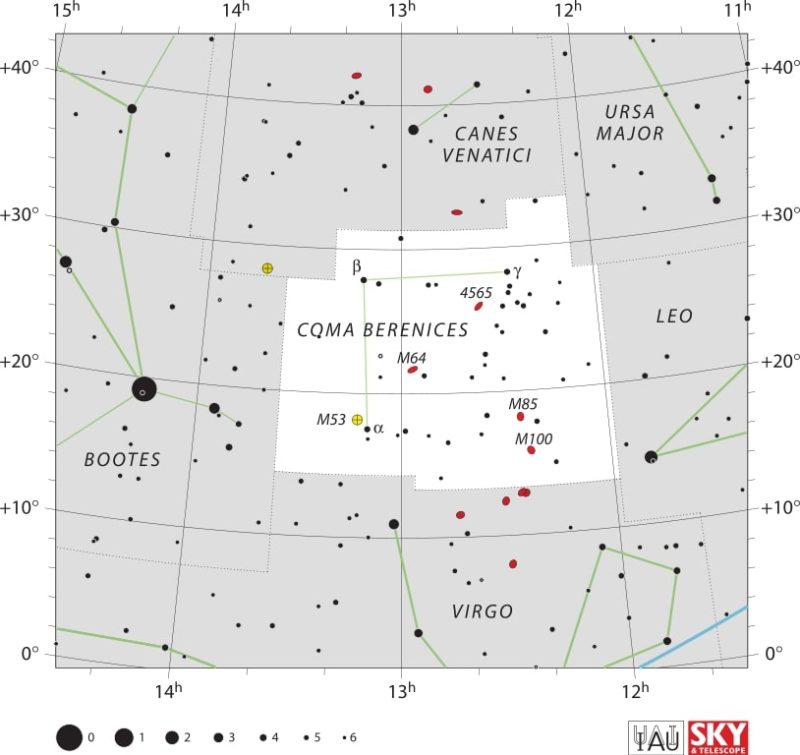
The Comae Berenicids are a very weak meteor shower. They are visible every year from the constellation Coma Berenices, usually peaking in mid-December.
These fast and faint meteors zip across the night sky, often producing only a quick flash of light. They’re tough to detect, without very dark, clear skies.
The Comae Berenicids are a much gentler experience than the busy and bright Perseids. They attract sky watchers who are in love with precious and ephemeral things.
Amateur stargazing clubs frequently convene to view these more obscure shows, experiencing the thrill of first contact along with each successful viewing. The following sections discuss in detail what makes this shower unique.
What Is the Comae Berenicid Meteor Shower?
The Comae Berenicids are a weak meteor shower associated with the faint constellation Coma Berenices. Unlike more famous showers like the Geminids or Perseids, this one is a bit of a sleeper. It does occupy an interesting niche in the annual meteor calendar.
The shower is active every year from December 12 to February 4, with the peak activity on December 16. At its peak, observers can up to 3 meteors an hour. These meteors are on the faint side, not great for gathering a crowd, but they offer a subtle splendor for experienced skywatchers.
Their Origin: A Cosmic Breadcrumb Trail
The Comae Berenicid meteor shower is the result of bits of debris left in Earth’s path. These particles are seen as meteors when Earth passes through their orbit. This gradually spreads out, making the event quiet and easily overlooked unless you know when and where to find it.
The Hunt for Their Parent Comet
Since the Comae Berenicids were first identified as a separate meteor shower, astronomers have attempted to trace them back to a parent comet. As of now, the specific parent comet is still unclear, which is typical for small showers.
Finding these parent bodies is no easy task since the debris clouds are dim and dispersed. Even in the absence of a known parent, the link that exists between comets and meteor showers holds valuable insight into our solar system’s history.
Understanding Their Gentle Peak
The peak of the Comae Berenicid shower is on December 16. The meteors tend to be fairly faint, so dark skies are definitely a plus.
The shower’s modest activity level of up to 3 meteors per hour at peak is part of what sets it apart from the more fiery meteor showers. Conditions including weather, moonlight, and light pollution factor into how many meteors people will notice.
Your Guide to Spotting Them
Catching the Coma Berenicids meteor shower isn’t hard, but it does take a little know-how and prep. This shower’s gentle magic makes some advance preparation worthwhile. Coma Berenices lies next to Leo. That makes it pretty easy to see, particularly if you find yourself in the Northern Hemisphere.
Best Nights for a Glimpse
The best night to watch the Comae Berenicid meteor shower is on the peak on December 16.
A new moon or thin crescent moon is best, since the darker the skies are, the fainter meteors you will be able to see. Stay on top of lunar phases and mark your calendars for nights with the darkest skies.
My Go-To Observation Tricks
Catching the faintest meteors is easiest when your eyes are fully adjusted to the dark—allow 20–30 minutes for this. Just be persistent and continue to search.
Invite a buddy or connect with an amateur astronomy club to get their guidance and borrowed equipment.
Look at sky maps or stargazing applications to help you find Coma Berenices easily.
Why They’re So Hard to See
This shower is usually quite subtle, without the colorful, bright streaks often found in larger meteor showers. Light pollution, clouds, and humidity only add to the difficulty.
Choose a dark, rural location and experiment with long-exposure photography to maximize your chances of seeing meteors. Persistence pays off—quite literally.
Conclusion
The Comae Berenicids don’t get as much attention as the flashier major meteor showers. They do add a unique atmosphere that stargazers definitely enjoy! Yet their ghostly trails require a clear dark sky and some patience, but the pay-off is tangible.
So grab your warmest coat, get somewhere dark, and simply gaze up. From these meteors, we should remember there’s always a better story above us. Have a favorite stargazing location or advice to share? Pass it on and help us continue the meteor shower legacy to the next skywatcher.
Frequently Asked Questions
What are the Comae Berenicids?
The Comae Berenicids seem to originate from the direction of the constellation Coma Berenices, which is well visible in December.
How many meteors can I expect to see?
The Comae Berenicids are quite weak, and produce no more than 3 meteors per hour at maximum. To maximize your meteor viewing experience, locate yourself in an area with a dark sky.
Do I need special equipment to see the Comae Berenicids?
You won’t need any special equipment to enjoy the Comae Berenicids! Nothing special—just your eyes and a dark, clear sky well away from city lights.
Why are the Comae Berenicids important for astronomers?
They help astronomers study small particles in space and understand the composition of our solar system. Each meteor shower helps us better understand our complex universe.
See also:
- Previous meteor shower: Geminid Meteor Shower
- Next meteor shower: December Leonis Minorid Meteor Shower
Would you like to receive similar articles by email?

Paul Tomaszewski
Paul Tomaszewski is a science & tech writer as well as a programmer and entrepreneur. He is the founder and editor-in-chief of CosmoBC. He has a degree in computer science from John Abbott College, a bachelor's degree in technology from the Memorial University of Newfoundland, and completed some business and economics classes at Concordia University in Montreal. While in college he was the vice-president of the Astronomy Club. In his spare time he is an amateur astronomer and enjoys reading or watching science-fiction. You can follow him on LinkedIn and Twitter.


You May Also Like
Asteroid 2 Pallas – Overview, Characteristics & Exploration
The Necklace Nebula: A Heavenly Jewel in Our Universe