How To Choose the Right Turbo for Your Diesel Truck
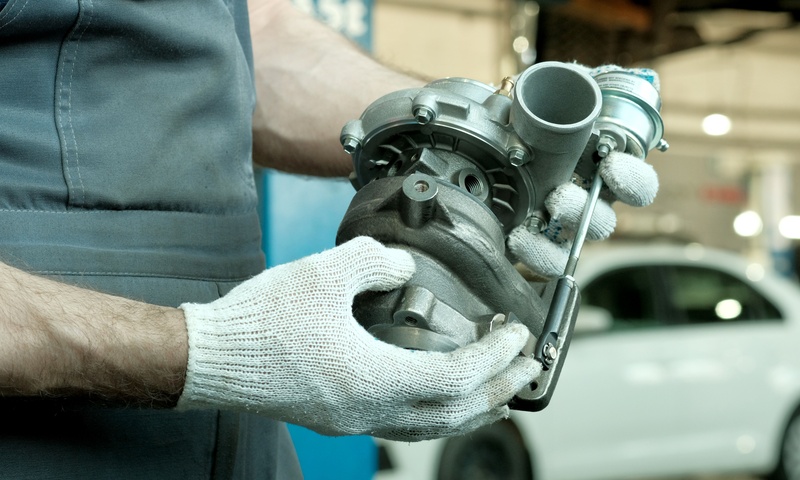
Upgrading the turbocharger on a diesel truck is a popular modification for owners seeking enhanced power, efficiency, and towing capability. However, the market is filled with a vast array of options, and selecting the correct one is critical for achieving the desired results without compromising reliability. Learning how to choose the right turbo for your diesel truck involves carefully assessing your performance goals, driving habits, and budget.
A turbocharger works by forcing more compressed air into the engine’s cylinders. This increased air allows more fuel to be burned. As a result, there is a significant boost in horsepower and torque. The key is to find a balance: a turbo that’s too large can result in a delayed power response. On the other hand, one that’s too small can choke the engine at higher RPMs (rotations per minute).
Assess Your Primary Use
The first step in choosing the right turbo for your diesel truck is to define what you want to achieve with the upgrade. Are you looking for better daily driving performance and fuel economy? Or are you building a dedicated competition truck for sled pulling or drag racing? A driver who primarily uses their truck for towing heavy loads will have different needs. These needs differ from someone seeking maximum horsepower for the racetrack.
For daily driving and towing, a smaller, quick-spooling single turbo is often ideal. It will provide improved throttle response and low-end torque where it’s most needed. For high-performance applications, a larger single turbo or even a compound turbo setup might be necessary. These setups supply the massive volume of air required for extreme power levels. Understanding the differences between a compound turbo versus a single turbo is crucial for making an informed decision. This is especially true for high-horsepower builds.
Consider Supporting Modifications
A turbocharger doesn’t work in isolation. To function correctly and safely, it requires several supporting modifications. Upgrading a turbo without addressing the fuel system, for example, will yield minimal gains, as the engine won’t have the additional fuel needed to match the increased airflow.
Common supporting mods include larger fuel injectors, a high-flow exhaust system, an upgraded air intake, and custom ECU (electronic control unit) tuning. A properly matched system where all the parts work in harmony is essential for reliability and performance. Otherwise, failure to upgrade the supporting systems can lead to engine damage.
Avoid These Mistakes
Upgrading your turbocharger can greatly enhance your diesel truck’s performance, but avoiding common pitfalls during the process is important. One frequent mistake is choosing a turbocharger based solely on size or advertised power gains without considering the engine’s specifications and overall compatibility. Additionally, improper installation, such as not securing connections or using the wrong hardware, can lead to reliability issues. It can even cause damage.
To ensure success, take the time to research thoroughly. Seek professional advice when needed, and invest in high-quality components that complement your turbocharger.
Ultimately, selecting the right turbocharger is about matching the component to your specific application. By clearly defining your goals and planning for the necessary supporting parts, you can ensure that your investment results in a powerful, dependable diesel truck.
Would you like to receive similar articles by email?

Paul Tomaszewski
Paul Tomaszewski is a science & tech writer as well as a programmer and entrepreneur. He is the founder and editor-in-chief of CosmoBC. He has a degree in computer science from John Abbott College, a bachelor's degree in technology from the Memorial University of Newfoundland, and completed some business and economics classes at Concordia University in Montreal. While in college he was the vice-president of the Astronomy Club. In his spare time he is an amateur astronomer and enjoys reading or watching science-fiction. You can follow him on LinkedIn and Twitter.


You May Also Like

Common Types of Car Damage and How To Avoid Them

Can Car Seat Covers Really Improve Your Driving Posture?