How to Choose Lash Clusters Based on Your Eye Shape
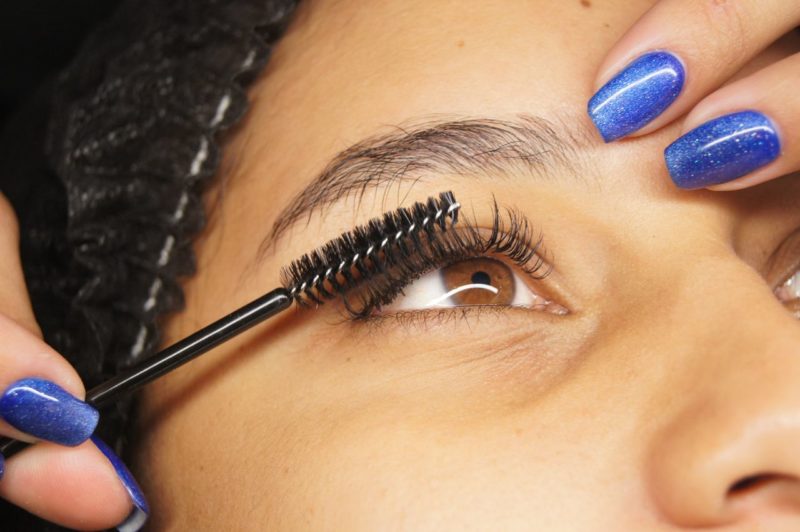
Your eye shape is the single most useful guide you have for picking lash clusters that actually look natural. However, a style that opens up one person’s eyes can make another person’s look heavy, overdone, or oddly proportioned. Knowing how to choose lash clusters based on your eye shape saves you time, money, and the frustration of a look that just doesn’t land the way you imagined.
The good news? Identifying your eye shape takes about two minutes. Moreover, the matching process is straightforward once you know what to look for.
Understanding Your Eye Shape and Lash Cluster Compatibility
Getting cluster selection right starts with understanding how different eye shapes interact with lash volume, length, and curl. Among the options available today, the best cluster lashes for beginners tend to feature medium length and a natural curl. This is because these two variables suit the widest range of eye shapes without requiring expert-level placement skills.
Even so, beginner-friendly clusters work best when you factor in your specific eye shape. The wrong placement or curl can unintentionally close off your eye rather than lift it. That’s the central principle behind lash-to-eye-shape compatibility: the cluster style should work with your eye’s natural geometry, not against it. Mapping your shape before you shop means fewer returns and fewer wasted applications. Plus, you get a noticeably more polished result every time you put them on.
How to Identify Your Eye Shape at Home
All you need is a well-lit mirror and about two minutes. Start by looking straight ahead and relaxing your face completely so your eyes sit in their natural resting position. Work through this short checklist to narrow down your shape:
- Almond eyes have a visible iris on all sides, with slightly pointed outer corners that taper to a soft tip.
- Round eyes show white (sclera) above or below the iris, and the outer corner curves rather than tapers.
- Hooded eyes have a skin fold that drops over the crease, making the lid appear smaller or nearly hidden when the eyes are open.
- Monolid eyes have little to no visible crease, with a flatter lid surface from lash line to brow.
- Downturned eyes angle downward at the outer corners, giving the outer edge a lower appearance than the inner corner.
- Upturned eyes angle upward at the outer corners, producing a slight cat-eye effect naturally.
Still unsure? Compare a photo of your eyes taken straight on with reference images for each shape. Most people identify quickly once they look for the crease and the corner angle together.
Why Eye Shape Matters When Selecting Lash Clusters
The reason eye shape influences cluster selection comes down to optical illusion. Lash clusters add weight and dimension to specific parts of your lash line, and that weight shifts how the eye reads for size, lift, and symmetry.
For example, place a dramatic, long cluster at the outer corner of a downturned eye, and you can pull the eye even further down. That is the opposite of what most people want.
Use a uniform, flat-curl cluster on a hooded eye? The lashes disappear behind the fold the moment you open your eyes. The placement zone, the curl degree, the length taper, and the volume distribution all interact with the eye’s natural contours.
A well-chosen cluster brings out your eye shape’s best qualities. In contrast, a poorly chosen one can make the eye look smaller, asymmetrical, or tired.
Getting this match right isn’t about following a rigid formula. Instead, it’s about understanding which lash characteristics work in harmony with your eye shape’s natural shape.
Matching Lash Cluster Styles to Different Eye Shapes
The right lash cluster style comes down to three adjustable variables: length, curl, and placement zone. Each eye shape has at least one or two combinations that consistently deliver a flattering result. Knowing those combinations means you can shop with intention rather than trial and error.
Best Lash Clusters for Almond, Round, and Hooded Eyes
Almond eyes are the most adaptable shape. The natural taper at the outer corner works with almost any cluster style. For almond eyes, a cat-eye layout works beautifully: shorter clusters at the inner corner, gradually longer ones toward the outer edge. This layout follows the eye’s natural taper and adds drama without looking overdone. Both C-curl and D-curl work well here.
Round eyes benefit from a style that creates the illusion of length rather than additional height. Long clusters concentrated at the center of the lash line can make round eyes appear rounder. So instead, direct the weight toward the outer corners with a winged or cat-eye cluster arrangement. A C-curl keeps the focus outward without adding too much lift directly above the pupil. This helps, since adding lift can exaggerate the round shape.
Hooded eyes need strong curl above all else. Since the skin fold covers part of the lid, flat or low-curl clusters vanish behind it completely. A D-curl or L-curl lifts the lashes up and out so they remain visible even with the hood present. Shorter to medium lengths work better than very long clusters on hooded eyes. Very long lashes can brush against the skin above and droop downward by midday.
Length, Volume, and Curl Recommendations by Eye Shape
Every eye shape has a curl range and a volume level that suits it best. Here’s the breakdown:
- Almond: 10mm to 14mm length, medium to full volume, C or D curl. Versatile enough to handle most cluster styles.
- Round: 10mm to 13mm at inner/outer corners, 12mm to 14mm at center, light to medium volume, C curl to avoid exaggerating height.
- Hooded: 9mm to 12mm length, medium volume, D or L curl to keep lashes visible above the fold.
- Monolid: 10mm to 13mm, light to medium volume, C or D curl. Avoid extreme volume, which can weigh down the lid.
- Downturned: Outer corner clusters at 12mm to 14mm, inner at 9mm to 11mm, D curl to lift the outer edge upward.
- Upturned: Balanced lengths across the lash line, medium volume, C curl to keep the cat-eye effect from becoming too sharp.
Mixing cluster lengths across the lash line almost always looks more natural than applying uniform lengths from inner to outer corner.
Application Tips for Optimal Results With Your Eye Shape
Cluster placement technique matters just as much as the cluster style you choose. Even the right curl and length won’t deliver results if the clusters land at the wrong angle or the wrong zone along your lash line.
Placement Strategies to Balance Your Natural Eye Shape
Start by dividing your lash line into three zones: inner corner, center, and outer corner. Each zone gets a different cluster length, and the volume shifts based on what you want the eye to do visually.
For eyes you want to lift, concentrate your longest and most curled clusters at the outer third of the lash line. For eyes you want to widen, put your longest clusters at the center zone. Finally, for a doe-eyed effect on round eyes, keep the center clusters longer but taper down at both the inner and outer edges.
Beyond zone placement, the angle at which you press each cluster onto the natural lash line changes the final look. Press outer-corner clusters at a slight upward angle for an uplifting effect. Meanwhile, press inner-corner clusters straight down or at a slightly inward angle to avoid a crossed or pinched look near the tear duct. Give each cluster 20 to 30 seconds of gentle pressure so it bonds securely before you move to the next one.
So here’s the thing: always start from the outer corner and work inward. That sequence lets you build the most flattering shape first, then fill in rather than overcrowd the delicate inner corner.
Conclusion
Knowing how to choose lash clusters based on your eye shape is the fastest route from a generic lash look to one that genuinely suits your face. Identify your eye shape first, then match your cluster length, curl, and placement zone to what your eye naturally does.
Round eyes need width, not height; hooded eyes need strong curl; almond eyes can carry most styles with ease. Downturned eyes lift with outer-corner emphasis. Apply with intention, zone by zone, and adjust the angle to direct the eye’s visual energy where you want it. As a result, the look reads as natural and intentional rather than applied and obvious.
Would you like to receive similar articles by email?

Danuta Smoluk
Danuta Smoluk is a teacher with over three decades of experience teaching both children and adults. She specializes in teaching the Polish language to English-speakers. She has a master's degree in primary and early childhood education from WSP Słupsk (currently Pomeranian University in Słupsk) and had her degree validated by University of Toronto. Aside from education, she also has an interest in real estate and home improvement. She has planned and supervised many house renovations. She loves interior design, cooking, and gardening.


You May Also Like

How to Cut Your Own Hair and Not Ruin It [Easy Guide]

The Hidden Causes of Tooth Surface Stains