What To Know Before Changing Your Car’s Steering Wheel
If you are thinking about switching out your car’s steering wheel, you probably want something more customized or better suited to your driving style. Even if you are just replacing a broken wheel, this modification can be a great way to enhance your vehicle’s interior and driving experience. However, there is a lot to consider before you start. Here, we will cover what to know before changing your car’s steering wheel so you can do it safely and correctly.
Steering Wheel Anatomy
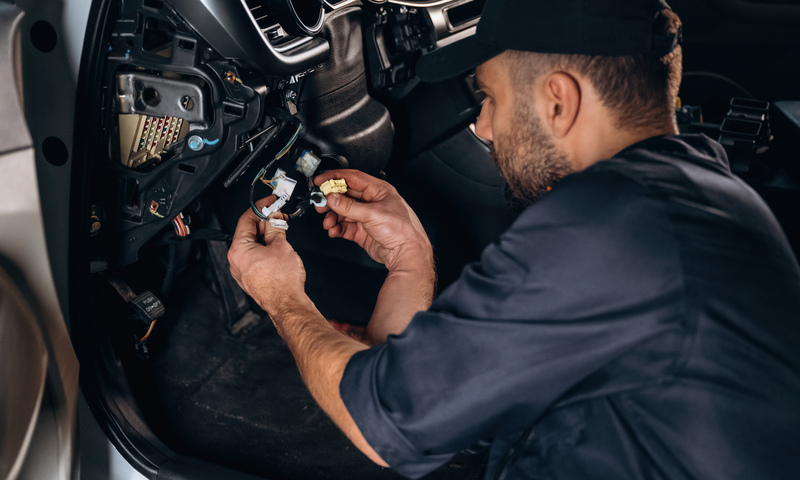
A steering wheel might look simple from the outside, but once you dig deeper, it is anything but. Most modern steering wheels include the rim, spokes, hub, and airbag module. What is more, many cars have electrical pigtail connectors tucked inside. These devices improve vehicle reliability by controlling cruise control, the horn, heated functions, and other features.
In modern vehicles, steering wheels are also connected to safety and driver-assistance systems, including airbag systems (SRS), steering angle sensors, and in some cases adaptive cruise control and lane-assist controls. These systems may require recalibration after steering wheel replacement.
If you understand this anatomy when replacing your steering wheel, you are less likely to accidentally damage essential components or your car’s electrical systems.
The Tools Involved
Make sure you have everything on hand before you start. A basic kit usually includes a socket set, screwdriver, Allen wrenches, and a steering wheel puller. The steering wheel puller is particularly important—it helps you safely remove the existing wheel without damaging the shaft underneath. It is also a good idea to have some plastic trim removal tools for prying without scratches. If you are customizing and the new steering wheel has additional features, double-check if specialized tools are needed for wiring.
In many modern vehicles, a torque wrench and diagnostic scan tool (OBD2 scanner) may also be required to ensure proper reassembly and to clear or check for system errors after installation.
Bonus Tip: You can buy premade steering wheel removal kits online or at hardware stores.
Electrical Safety Considerations
Dealing with a car’s steering wheel means handling electrical systems, including airbag connections. Always disconnect your car battery before starting the process. This prevents accidental airbag deployment while you work. Once the battery is disconnected, wait 15–30 minutes to allow any residual electrical charge in the system to dissipate.
However, airbag systems (SRS) can retain stored electrical energy, and manufacturer service manuals may specify different wait times depending on the vehicle. Improper handling of airbag components can be dangerous and, in some regions, regulated by law.
Manufacturer Information
Your car’s manufacturer or official service documentation often does provide detailed information on steering wheel replacement procedures, including safety steps, torque specifications, and wiring diagrams.
However, your manufacturer should provide helpful information about your specific steering wheel’s anatomy, care, hazards, maintenance, and so forth. Read up and keep this information in mind as you approach the project.
Many OEM service manuals also include procedures for recalibrating steering angle sensors and checking airbag system functionality after installation.
Legal and Safety Considerations
Before replacing a steering wheel, it is important to consider legal and insurance implications. In some regions, removing or modifying a steering wheel that contains an airbag may not be legal for road use. Additionally, modifying factory-installed safety systems can potentially affect vehicle insurance coverage or inspection approval. Always check local regulations before proceeding.
When NOT to DIY
Steering wheel replacement may not be suitable as a DIY project on all vehicles. It is strongly recommended to consult a professional if your vehicle includes advanced driver assistance systems, integrated airbags with complex sensor networks, or requires electronic calibration after installation. In these cases, improper installation can trigger warning lights or disable safety features.
Conclusion
Changing your car’s steering wheel can be a rewarding and necessary project. Just make sure you are clear on what to know before attempting the modification. With the right tools, attention to safety, and adherence to instructions, you will have a custom steering wheel that is ready to hit the road in no time!
Would you like to receive similar articles by email?

Matthew Lesniak
Matthew Lesniak is a Mechanical Engineering graduate working within the exciting field of remotely piloted aircraft systems (RPAS), better known as drones. His day-to-day work focuses on supporting drone manufacturers, facilitating certification processes, as well as advancing research and development projects. Matthew’s hobbies include travelling with his wife, playing board games, reading and staying active.


You May Also Like

How to Choose Compatible Automotive Wiring

Understanding the Factors Behind Vehicle Repairs