Science
Explore fascinating discoveries, breakthroughs and insights across all fields of science. Stay informed with the latest research, innovations and scientific trends!
TESS Space Telescope Discovers First Exoplanet
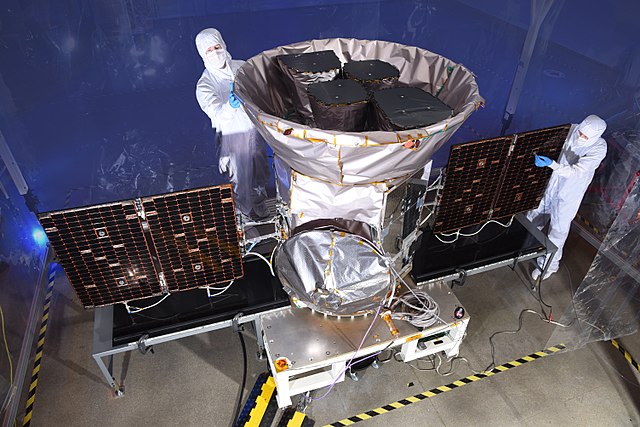
The TESS space telescope is designed to scan the night sky in search of one thing—exoplanets, or planets outside of our solar system.
Monthly Stargazing Calendar for June 2016
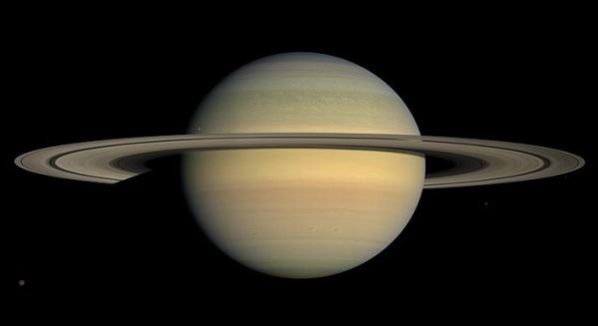
On June 3 Saturn will be at opposition, which means it will be at its closest approach to Earth and its face will be fully illuminated by the Sun. This is the best time to view and photograph Saturn and its moons because it will be brighter than any other time of the year and will be visible all night long.
Monthly Stargazing Calendar for May 2016
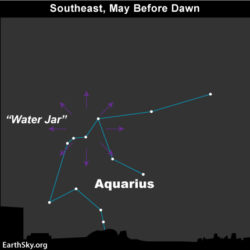
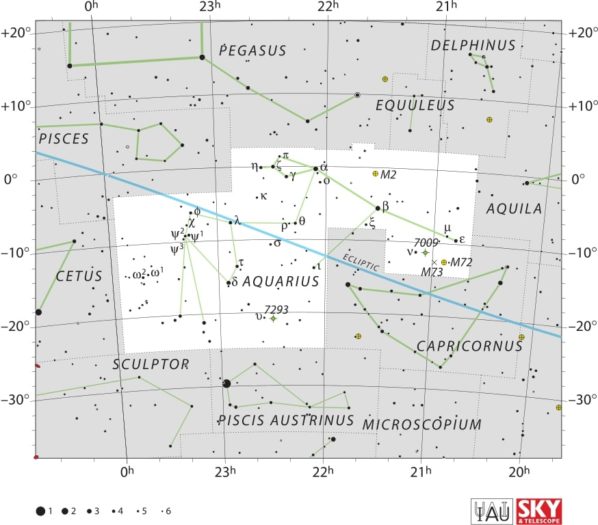
Early this month on the night of May 5 and 6 the Eta Aquarids meteor shower will peak. It is an above average shower, capable of producing up to 60 meteors per hour at its peak, however most of the activity will be seen in the Southern Hemisphere. In the Northern Hemisphere, the rate can reach only about 30 meteors per hour.
Monthly Stargazing Calendar for April 2016
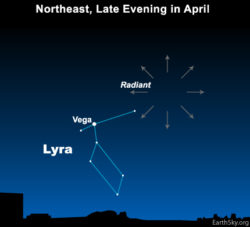
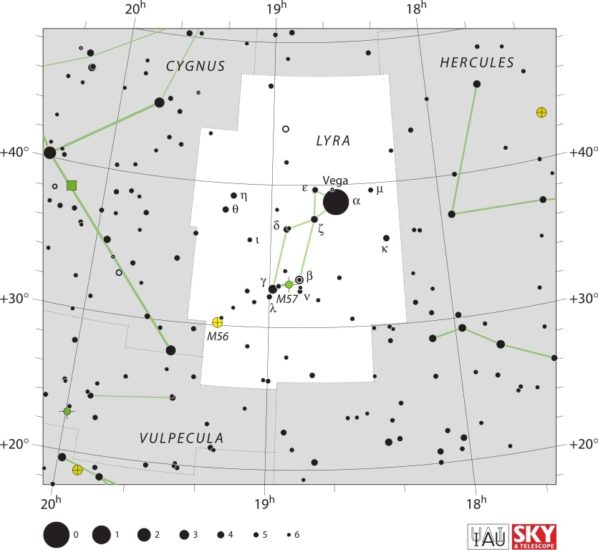
On the night of April 22 and 23 the Lyrids meteor shower will peak. It is an average shower, usually producing about 20 meteors per hour at its peak, although some meteors may be seen any time from April 16 to 25. It originates from dust particles left behind by comet C/1861 G1 Thatcher, which was discovered in 1861.
Monthly Stargazing Calendar for March 2016
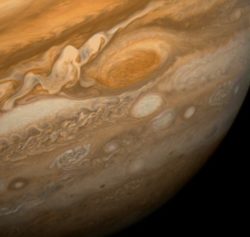
March 2016 brings exciting astronomical events: Jupiter at opposition, total solar eclipse, March equinox, and penumbral lunar eclipse. Explore more!
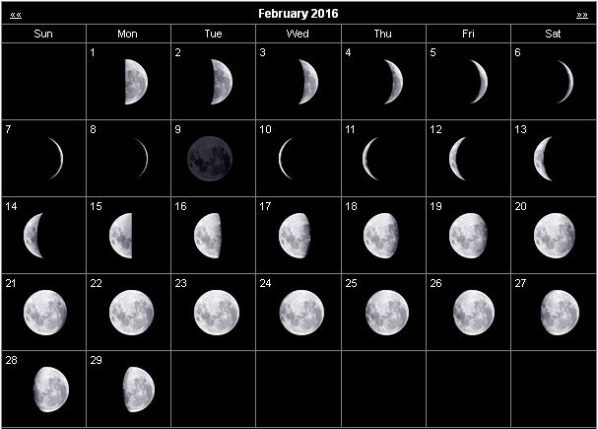
Monthly Stargazing Calendar for February 2016
On February 7 Mercury will be at greatest western elongation of 25.6 degrees from the Sun. This makes it the best time to view Mercury since it will be at its highest point above the horizon in the morning sky. Look for the planet low in the eastern sky just before sunrise.
Monthly Stargazing Calendar for January 2016
On the night of January 3 and 4 the Quadrantids meteor shower will peak. It is an above average shower, with up to 40 meteors per hour at peak, although some meteors can be visible between January 1 and 5. The meteors originate from dust grains left behind by an extinct comet known as 2003 EH1, which was discovered in 2003.
Monthly Stargazing Calendar for December 2015
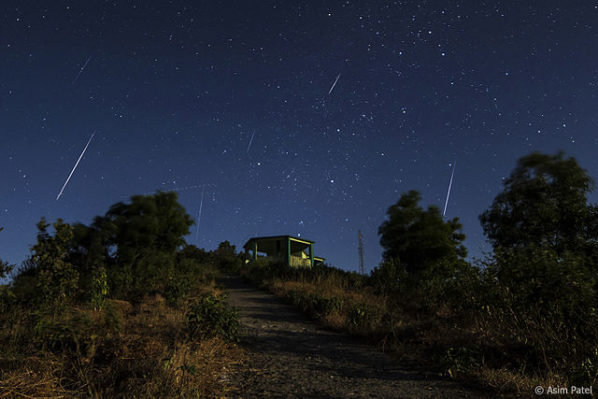
On the night of December 13 and 14 the Geminids meteor shower will peak. It is considered by many to be the best shower in the heavens, producing up to 120 multicolored meteors per hour at its peak. This is why it is known as the king of meteor showers. Some meteors can also be seen anytime from December 7 to 17.
Monthly Stargazing Calendar for November 2015
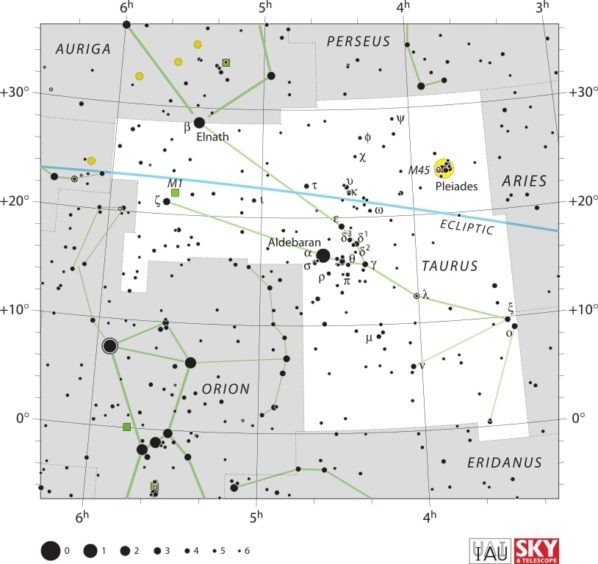
On the night of November 5 and 6 we will witness the peak of the Taurids meteor shower. It is a long-running minor meteor shower producing only about 5-10 meteors per hour at peak, while some meteors can also be seen from September 7 to December 10. However it is unusual in that it consists of two separate streams. The first is produced by dust grains left behind by Asteroid 2004 TG10. The second one is produced by debris left behind by Comet 2P Encke.
Monthly Stargazing Calendar for October 2015
On October 8 we will witness the Draconids meteor shower. It is a minor meteor shower producing only about 10 meteors per hour originating from dust grains left behind by comet 21P Giacobini-Zinner, which was first discovered in 1900. The Draconids is an unusual shower in that the best viewing is in the early evening instead of early morning like most other showers.
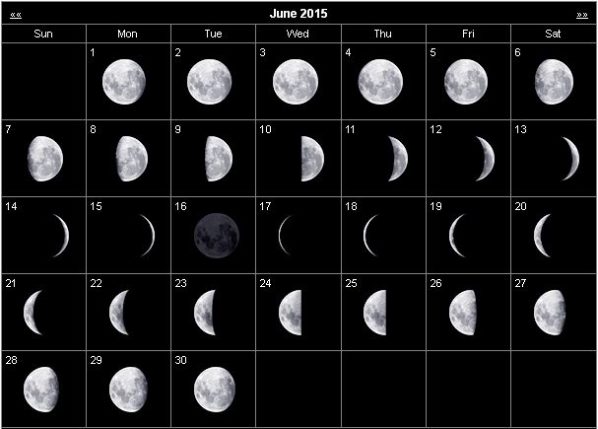
Monthly Stargazing Calendar for June 2015
On June 6 the planet Venus will be at greatest eastern elongation. Venus will reach greatest eastern elongation of 45.4 degrees from the Sun. This is the best time to view Venus because it will be at its highest point above the horizon in the evening sky. Look for the bright planet in the western sky after sunset.
Monthly Stargazing Calendar for August 2014
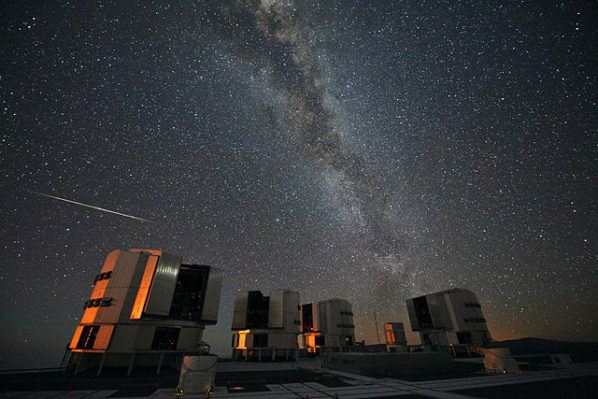
Tonight on August 12 and on the morning of August 13 the Perseids meteor shower will peak. It is one of the best meteor showers to observe, producing up to 60 meteors per hour at its peak. Some meteors can also be seen from from July 17 to August 24.
Monthly Stargazing Calendar for November 2013
Earlier this month there were two major astronomical events: a hybrid solar eclipse on November 3rd and the Taurids meteor shower peak on the night of November 4 and 5. If you missed those two events, don't worry, there are two more coming up this month!
Monthly Stargazing Calendar for October 2013
Tonight (October 7 - 8) is the peak of the Draconids meteor shower. It is a minor meteor shower producing only about 10 meteors per hour during the peak, but some meteors can be seen one day before and after the peak. It originates from dust grains left behind by comet 21P Giacobini-Zinner, which was first discovered in 1900.
Monthly Stargazing Calendar for August 2013
Tonight (August 11 - 12) is the peak of one of the largest and perhaps one of the most famous meteor showers of the year, the Perseids meteor shower. It can produce as many as 90 meteors per hour at its peak but some meteors can be seen from July 17 to August 24. The first quarter moon will set shortly after midnight leaving dark skies for what should be an excellent show.
Monthly Stargazing Calendar for May 2013
May 2013 stargazing events: There will be a meteor shower, a solar eclipse, a conjunction of Venus and Jupiter, and a penumbral lunar eclipse.
Monthly Stargazing Calendar for April 2013
This month will be quite eventful and will have many interesting astronomical events. First of all, on April 14 we will witness the conjunction of the Moon and Jupiter. The Moon will appear to pass about two degrees of the giant planet Jupiter in the evening sky. The crescent moon will be at magnitude -10.6 and Jupiter at magnitude -2.1.
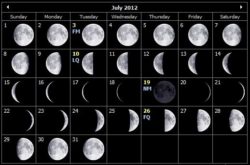
Monthly Stargazing Calendar for July 2012
Most of this month will be rather uneventful when it comes to astronomical events, but at the end of the month, on July 28 and 29 we will witness the Southern Delta Aquarids Meteor Shower. The Delta Aquarids can produce about 20 meteors per hour at their peak.
Monthly Stargazing Calendar for June 2012
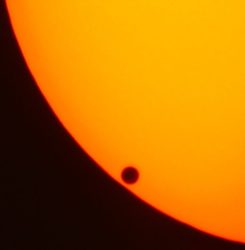
Today on June 5 we will have the chance to witness the transit of Venus across the Sun. This extremely rare event will be entirely visible throughout most of eastern Asia, eastern Australia, and Alaska.
Monthly Stargazing Calendar for May 2012
On May 5, 6 we witnessed the Eta Aquarids Meteor Shower. It is a a light shower, usually producing about 10 meteors per hour at the peak. The full moon ruined the show this year, washing out all but the brightest meteors with its glare.