Is a Career in the Skilled Trades a Good Choice?
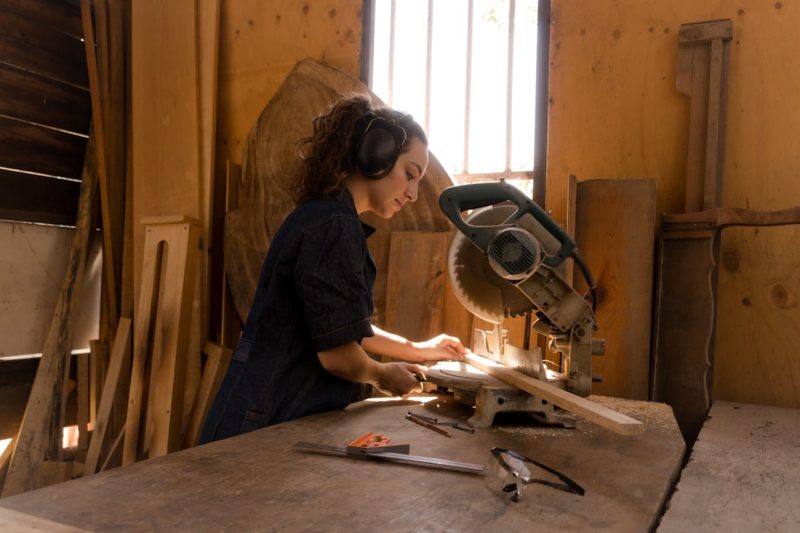
Choosing a career usually comes down to a few practical questions. How long will it take to train? What does a normal workday look like? Will the work still be in demand years from now? For many people, a career in the skilled trades offers a solid alternative to a traditional four-year degree, with structured training and a clear path into paid work. Careers like welding, electrical work, HVAC, plumbing, and cosmetology are built around hands-on learning and real-world practice, not years of theory-heavy coursework.
It’s also easy to see why interest has grown. Many trade careers involve problem-solving you can actually see and measure, and they can lead to steady work in most communities. Over time, some people move into specialized roles, supervisory positions, or even start their own businesses. Training can take different forms depending on the field and your location, including apprenticeships, vocational programs, and technical schools.
Of course, trade work is not one-size-fits-all. Some fields come with state-specific licensing, renewal steps, or ongoing training requirements that vary by region. Knowing what the opportunity looks like, along with what the job asks of you, makes it easier to decide whether this path fits your goals and work style.
What Are Skilled Trades?
Skilled trades are occupations that require specialized training, technical knowledge, and hands-on ability. Instead of relying mainly on academic study, these careers focus on applied skills developed through apprenticeships, vocational programs, or technical training. Electricians, plumbers, welders, HVAC technicians, and cosmetology professionals all fall into this category.
Most trades combine instruction with real practice. Apprenticeships are one common route, where you learn from experienced workers while building job experience. Technical schools and community colleges may offer structured programs that cover safety practices, tool use, and industry standards. The length and format of training often depend on the trade and local requirements.
Oversight is another common element. Some professions require a license before someone can work independently, while others may require registration or proof of completed training. These systems are generally designed to protect the public and support consistent professional standards.
A career in the skilled trades often offers a straightforward route from training to employment, but the steps can vary depending on what you choose and where you plan to work. Understanding the basics early can save time and confusion later.
Benefits of Choosing a Skilled Trade
One major advantage of trade careers is the timeline. Many people can move from training into paid work faster than they would through a traditional degree program. Vocational programs and apprenticeships often take less time than four-year college paths, which can mean earlier earnings and quicker experience-building. If you prefer learning through practice, that approach can feel like a better fit.
Cost is another reason people consider trades. Training is often more affordable than a long university program, especially when apprenticeships allow you to earn while learning. Lower upfront costs paired with earlier income can make a noticeable difference in long-term financial stress.
Demand also matters. Many trade roles remain essential because buildings, infrastructure, and homes need maintenance and repair, and personal services tend to stay steady. Recent job outlook notes for electricians published by the U.S. Bureau of Labor Statistics show how demand is tracked for specific trade occupations. Trends vary by location and specialty, but many trades support reliable, long-term work.
Skilled trades can also offer room to grow. With experience, some workers move into leadership roles, specialize in a niche service, or open independent businesses. For people who like practical problem-solving and visible results, that combination can be rewarding.
What Are the Requirements to Get Started?
Most trade careers begin with training, but the path can look different depending on the field. Some people start in a vocational program or technical school. Others enter an apprenticeship that combines supervised work with structured instruction. Many programs blend classroom learning with hands-on training right away.
Some trades also require formal evaluation before independent work is permitted. That might involve a written exam, a practical assessment, or documentation showing that specific training milestones have been completed. These steps often exist to support safety, quality, and consistent standards in the profession.
Location can shape the process as well. Certain fields require a state-issued license or registration, while others rely more on employer expectations or proof of training. Requirements are not consistent nationwide, and they can differ even between neighboring states.
If you’re considering this route, it helps to check local expectations early. Knowing what documentation is typically needed, how long training usually takes, and whether state-level steps apply can help you plan without surprises.
How Location Affects Ongoing Requirements in Skilled Trades
In some skilled trades, meeting the initial requirements is only part of the process. Certain professions may require periodic renewal, refresher coursework, or proof of continued training to remain in good standing. These expectations often depend on the state or jurisdiction where someone works, and they can vary even within the same industry.
In the Southeast, oversight for many skilled trades is typically handled at the state level, which means requirements can look similar across the region while still differing in important ways. When exploring Mississippi barber continuing education classes, it becomes clear that renewal requirements are established by a state board, with specific standards for course approval and documentation.
Across nearby states such as Alabama, Tennessee, and Louisiana, the overall framework may feel similar, but the details often change. In one state, completion records may be submitted directly to a governing agency. In another, professionals may need to keep their own documentation and provide it if requested. Renewal timelines, accepted training formats, and review steps can differ even among states with similar workforce needs.
Outside the region, larger states such as Texas or Florida may have broader administrative systems with different procedural layers or market conditions. In some places, online coursework is widely used to meet renewal expectations, while other jurisdictions place more emphasis on structured in-person sessions. Pricing norms often reflect these differences, along with documentation requirements and provider approval processes.
Documentation standards and audit practices may also vary. Some states conduct periodic reviews to confirm compliance, while others rely more on self-reporting during renewal. Working with a provider familiar with your state’s expectations can help reduce confusion and support a smoother process. Because rules, standards, and administrative practices vary by location, requirements should always be confirmed with the appropriate local authority.
Challenges to Consider Before Entering a Skilled Trade
Skilled trades can offer strong career opportunities, but they also come with real challenges. Many roles involve physical work, including lifting, standing for long periods, or working in heat, cold, or wet conditions. The setting can change from job to job as well, especially in construction-related trades.
Income can follow a different pattern than many office-based careers. Early earnings may be lower while you build skills, gain experience, or complete required training hours. Over time, pay often increases with specialization, efficiency, and reputation, but the pace of growth can vary depending on local demand and the type of work available.
There is also an administrative side in some fields. Trades with state oversight may require professionals to track renewal timelines, keep documentation, or complete periodic training to remain in good standing. It’s manageable, but it does require consistency.
Job stability can also be affected by broader economic shifts. Construction-related work may slow when housing markets cool, while service-based trades can fluctuate with local demand. Thinking through these factors alongside your strengths and goals helps you avoid surprises later.
Is This Career Path the Right Fit for You?
A good fit often comes down to how you prefer to work. A career in the skilled trades tends to suit people who enjoy hands-on tasks, practical problem-solving, and seeing clear results. If you like staying active and working with tools or equipment, a trade career may feel more engaging than a desk-based role.
It also helps to be comfortable with structured steps. Many trades involve training milestones, possible exams, and, in some locations, renewal obligations over time. Staying organized with deadlines and paperwork can make the process smoother.
Financial goals matter, too. While early earnings can be modest, long-term income may improve with specialization, experience, and business ownership. People who keep learning, sharpen their skills, and build a strong reputation often see the most growth.
If you’re weighing several options, it can help to step back and review key considerations before making a career change. Getting clear on your priorities, preferred work environment, and training commitment can make your decision easier.
Conclusion
Skilled trades offer a practical route into the workforce and a clear way to build job-ready skills. For many people, they provide a strong alternative to a traditional academic path, with training options that can lead to stable careers and long-term growth.
At the same time, trade careers come with responsibilities that deserve attention. Training expectations, state oversight, and possible renewal steps are part of the landscape in some fields, and those details can vary by location. Understanding what applies in your area can help you make a more informed choice.
Ultimately, the best choice is the one that matches your goals, your work style, and your long-term priorities. Taking a thoughtful look at both the benefits and the responsibilities can help you decide whether a career in the skilled trades is the right direction for you.
Would you like to receive similar articles by email?

Danuta Smoluk
Danuta Smoluk is a teacher with over three decades of experience teaching both children and adults. She specializes in teaching the Polish language to English-speakers. She has a master's degree in primary and early childhood education from WSP Słupsk (currently Pomeranian University in Słupsk) and had her degree validated by University of Toronto. Aside from education, she also has an interest in real estate and home improvement. She has planned and supervised many house renovations. She loves interior design, cooking, and gardening.


You May Also Like

Careers in Counseling: Supporting Mental Health and Human Development

From Average to Exceptional: Why Furthering Your Education Is Important