Building Strong Family Bonds Through Adoption
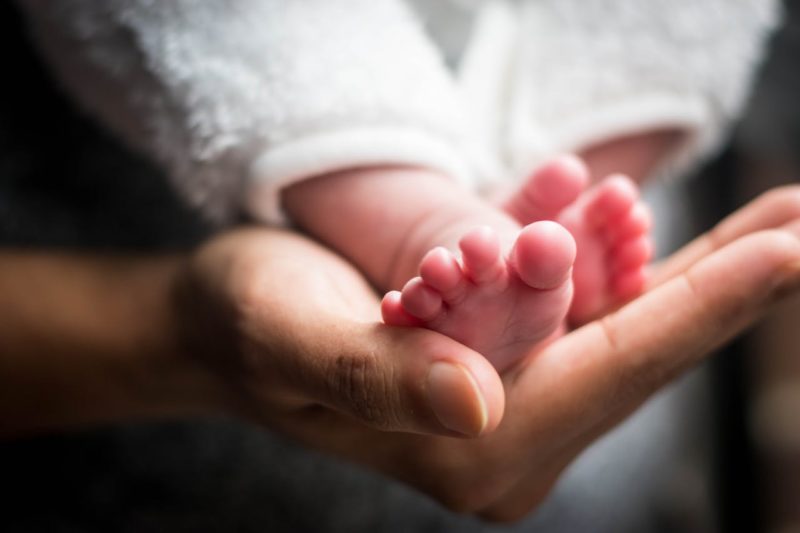
Adoption is a journey that transforms the lives of children and families. It weaves new stories of connection, belonging, and love. For many families in Georgia seeking support, working with a trusted child adoption agency Georgia can offer guidance through each step of the process. Beyond legal procedures and paperwork, forming strong emotional ties is vital for both parents and children. This helps create a home environment where every member feels valued and secure.
In fact, building strong family bonds through adoption is a process that goes far beyond legal steps. Rather, it’s rooted in creating genuine connection. The process of building these bonds is intentional. It is rooted in daily habits, shared experiences, and open communication. All of these are essential to nurturing lasting relationships within adoptive families.
While adoption can come with its own unique challenges, it also opens the door to deep family connections. These connections shape children’s lives for years to come. Families who commit to understanding and supporting one another’s backgrounds and emotional needs can thrive. They can do so despite the uncertainties that may arise after adoption. A focus on routines, shared activities, and honest conversations about adoption and identity helps strengthen those connections. This ensures that both children and parents feel seen and supported.
Notably, building strong family bonds through adoption is supported by experts who emphasise that every act of intentional bonding helps reinforce a child’s sense of security and belonging. This is especially important for those who have experienced trauma or instability in their early lives. The strategies highlighted here aim to guide adoptive families toward establishing resilient, loving foundations. These foundations can weather challenges and celebrate every new milestone together.
Establish Consistent Routines and Rituals
Consistency is essential for children who have experienced changes before finding their forever families. Predictable routines for daily activities, such as meals, bedtime, and schoolwork, provide comforting structures that help reduce anxiety and promote a sense of stability. These routines, when paired with unique family traditions like birthday celebrations or weekend outings, give adopted children moments to look forward to. They also provide opportunities to bond with their parents and siblings.
Creating rituals, such as reading a story together before bed or having a weekly family meal, helps anchor the child in the family unit. Even small, repeated activities can foster closeness and help children feel consistently cared for. This is especially important in the early months and years following adoption. As a result, building strong family bonds through adoption is supported by these everyday traditions.
Encourage Open Communication About Adoption
A child’s adoption story is an important part of their identity and should be spoken about openly and honestly. Parents who invite questions and normalize conversations about adoption create space for children to express their thoughts. Children can also share their feelings without fear or shame. This approach strengthens the trust between parent and child. Over time, transparency about adoption details helps children piece together their life story. It also deepens their sense of security within the family.
According to the Adoption Center for Family Building, regular discussions about adoption foster connection, help children feel understood, and provide clarity. This is especially true as questions become more complex with age. Parents can draw from recommended children’s books about adoption or attend family therapy sessions. These therapy sessions should specialize in adoptive family dynamics.
Engage in Shared Experiences and Activities
Bonding is often built during everyday moments spent together. Family activities promote teamwork, shared joy, and a sense of belonging. From movie nights and nature walks to collaborative cooking or crafting, these experiences create positive memories. These memories serve as the backbone of strong family relationships. Allowing your child to have a say in planning activities, such as picking the meal for Friday night or choosing a family game, further boosts their self-confidence. It also strengthens bonds. In addition, building strong family bonds through adoption can be achieved through such shared family activities.
When adopting an older child or teenager, quality time might involve supporting their unique interests or hobbies. It can also include attending their extracurricular activities, or learning something new together. Each shared activity is a chance to affirm the child’s place in the family, celebrate their individuality, and reinforce the family’s commitment to growing together. The American Academy of Pediatrics highlights that “joining in play or projects can be particularly meaningful, as these moments often allow children to open up naturally and express themselves more freely”.
Maintain Connections with Cultural Heritage and Biological Family
Supporting a child’s cultural roots and heritage, and where appropriate, fostering connections with their biological family, are both important to a healthy sense of identity and belonging. Learning about, honoring, and incorporating cultural traditions in your family life can help adopted children bridge the gap between their past and present. This may involve cooking foods from their heritage, celebrating relevant holidays, or learning about the language or customs of their birth culture together.
If it is safe and in the child’s best interest, adoptive parents can help maintain appropriate contact with biological relatives. Such connections, when handled thoughtfully, can provide children with additional support and understanding of their origins. Access to books, cultural events, or community organizations centered around the child’s background can also be highly beneficial. As highlighted by the Texas Foster Family Association, nurturing these ties empowers identity and supports the overall well-being of adopted children.
Seek Professional Support and Resources
No family’s journey is the same, and there may be times when additional help is needed to navigate challenges unique to adoption. Supporting your family’s relationships with counseling, participation in adoption-focused support groups, or connecting with educational resources can ease transitions. This can also help address any concerns as they arise. Organizations like Raise the Future offer specialized guidance, training, and support sessions. These are tailored to adoptive families navigating adjustment, trauma, or identity-related questions.
Seeking out professional advice early can prevent minor challenges from escalating and ensure that families have strategies to support growth and healing together. National resources such as the Child Welfare Information Gateway offer information and directories. These connect families with local and national services.
Conclusion
Strong family bonds are the heart of a successful adoption journey. They are created through daily dedication, honest conversations, meaningful traditions, and a firm commitment to supporting each member’s unique needs and backgrounds. Ultimately, building strong family bonds through adoption allows families to grow, connect, and flourish together.
Would you like to receive similar articles by email?

Danuta Smoluk
Danuta Smoluk is a teacher with over three decades of experience teaching both children and adults. She specializes in teaching the Polish language to English-speakers. She has a master's degree in primary and early childhood education from WSP Słupsk (currently Pomeranian University in Słupsk) and had her degree validated by University of Toronto. Aside from education, she also has an interest in real estate and home improvement. She has planned and supervised many house renovations. She loves interior design, cooking, and gardening.


You May Also Like

Design a New Build: Top Tips

4 Tips To Ensure a Smooth Home Renovation