
How Is a Fireball (Or Bolide) Different From a Meteor?
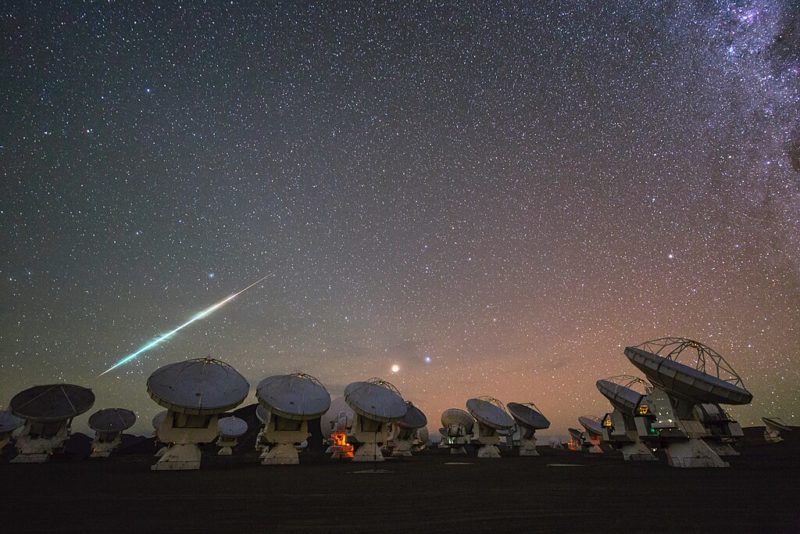
Meteors are the streaks of light produced when small fragments of rock or metal (called meteoroids) enter Earth’s atmosphere and heat up. This creates a streak of light in the sky. Fireballs are similar to meteors but are larger in size and brighter than a typical meteor. Bolides are often used to describe especially dramatic fireballs. In particular, this term refers to those that explode in the atmosphere. Meanwhile, the term “superbolide” is reserved for exceptionally energetic examples.
It is also helpful to distinguish related terms: a meteoroid is the object in space, a meteor is the light phenomenon in the atmosphere, and a meteorite is any fragment that survives to reach the ground.
This article embarks on a journey to unravel the nuanced differences between a meteor, a fireball, and a bolide. It delves into their defining features and behaviors. Furthermore, a rare and extraordinary phenomenon, the superbolide, demands its place in our scrutiny. It captivates scientists and stargazers alike with its remarkable traits.
What Is a Meteor?
Meteors, those ethereal streaks that grace our night skies, embody the enchanting dance between cosmic debris and our planet’s atmosphere. These celestial phenomena are born from meteoroids, often no larger than a grain of sand, hurtling through space. As they encounter Earth’s atmosphere, intense heating occurs primarily due to the compression of air in front of the object (rather than simple friction). This transformation creates luminous trails that streak across the heavens. Most meteors completely vaporize before reaching the ground and do not produce meteorites.
Their appearances are fleeting yet captivating, painting momentary brushstrokes of light against the dark expanse of the night sky. Observers commonly describe them as “shooting stars,” a poetic nod to their transient brilliance.
Moreover, meteors often occur in showers, such as the annual Perseids or Leonids. These are created when Earth passes through the debris trails left by comets. These celestial shows captivate audiences worldwide. They draw attention to the beauty and spectacle of these cosmic occurrences.
What Is a Fireball?
Fireballs stand out in the realm of celestial events due to their remarkable brightness and striking appearances. These phenomena are essentially brighter and more visible versions of regular meteors. They are typically produced by larger meteoroids, their brightness is a result of both size and speed as they burn up in the atmosphere.
The distinction between a regular meteor and a fireball lies in their brightness. The threshold is widely defined as the luminosity of Venus in the night sky. More specifically, this equates to an apparent magnitude of -4.
Their intense glow, sometimes lasting longer than typical meteors, captures attention. Fireballs can display a range of colors and may break into multiple fragments, creating a spectacular show. Because of their size, fireballs are also more likely than typical meteors to produce meteorites that reach the ground.
What Is a Bolide?
Bolides emerge as remarkable celestial occurrences that surpass the typical characteristics of regular meteors and even fireballs. In modern usage, the term “bolide” is often applied to fireballs that explode (airbursts) as they enter the atmosphere, although some definitions use it more broadly to describe exceptionally bright fireballs in general. Some bolides can reach brightness comparable to or greater than the full Moon, though this is not a strict requirement.
These extraordinary phenomena are characterized by their intense brightness, casting an illuminating glow across the sky that outshines the stars. What distinguishes bolides further is their potential to create sonic booms or loud noises upon entry into the atmosphere. This adds a dynamic element to their display. In many cases, this is due to fragmentation or explosive breakup in the atmosphere. Large bolides can release energy comparable to several tons or more of TNT, making them significant atmospheric events.
One of the defining features of bolides is their tendency to produce dazzling and prolonged light shows, lasting several seconds or even in rare cases, tens of seconds. This prolonged visibility, coupled with their exceptional brightness, captures the attention of both seasoned astronomers and casual sky gazers.
What Is a Superbolide?
Superbolides stand as extraordinary cosmic phenomena that transcend the already impressive traits of bolides. These rare events manifest as exceptionally bright and prolonged displays that surpass the luminosity of typical bolides. In some cases, they can rival or even exceed the brightness of the full Moon by large factors. The apparent magnitude is at least -17, though this threshold is descriptive rather than part of an official classification.
What sets superbolides apart is not only their extraordinary brightness but also their immense energy release upon entry into the atmosphere. As a result, these events create breathtaking and unprecedented light shows. This commands attention across vast regions.
These events are known for their potential to generate shockwaves and sonic booms that reverberate through the atmosphere, further underscoring their immense energy and impact. The prolonged duration and incredible brightness of superbolides set them apart as exceptional and rare celestial occurrences. The Chelyabinsk meteor that fell in Russia in 2013 is a recent example of a superbolide. Another notable event was the 2018 Bering Sea bolide. It exploded with significant energy but went largely unseen due to its remote location.
The study of superbolides presents an intriguing avenue for scientists seeking to unravel the mysteries of these high-energy cosmic events. The analysis of their trajectories, composition, and energetic output provides invaluable insights into the dynamics of larger celestial bodies interacting with our atmosphere. Therefore, these studies contribute to our understanding of the potential risks posed by such objects.
Many of these high-energy events are now detected using satellites and infrasound monitoring systems, even when they occur over remote regions or oceans.
By delving into the exceptional characteristics of superbolides, scientists aim not only to comprehend these extraordinary events but also to enhance our preparedness for potential celestial threats and further our understanding of the broader cosmic landscape that surrounds our planet.
Conclusion
In summary, the difference between a meteor, a fireball, a bolide, and a superbolide hinges primarily on their brightness. A fireball is a meteor brighter than the planet Venus. A bolide is brighter than the full moon. Additionally, a superbolide is brighter than a hundred full moons.
From the fleeting elegance of meteors to the intensified brilliance of fireballs and the exceptional displays of bolides and superbolides, each offers a glimpse into the dynamic interplay between cosmic elements and our atmosphere.
These celestial events, beyond their visual allure, serve as critical windows for scientific exploration. They provide invaluable insights into cosmic debris, atmospheric dynamics, and the potential hazards posed by larger celestial bodies.
As we conclude this exploration, these celestial phenomena not only captivate our gaze but also beckon further investigation. They highlight the ongoing mysteries within our cosmic neighborhood and emphasize the importance of continued observation and understanding of the wonders that adorn our night sky.
FAQ
How Rare Is It to See a Fireball?
It is relatively rare to see a fireball in the sky, although they do occur more frequently than people may think. Fireballs are essentially very bright meteors that are caused by debris from space entering the Earth’s atmosphere. They heat up primarily due to air compression at high speeds. While smaller meteors burn up completely before they hit the ground, fireballs are larger. Consequently, they can sometimes leave behind fragments that can be found on the surface.
According to the American Meteor Society, there are several thousand fireballs that occur in the Earth’s atmosphere every day. Many occur over oceans or remote areas and are not seen by people. Only a small percentage of fireballs are actually seen by people on the ground.
The best chance of seeing a fireball is during meteor showers, when there are higher rates of meteors entering the atmosphere. Some factors that can increase the likelihood of seeing a fireball include being in a dark area with little light pollution. Also, having clear weather conditions with no clouds blocking your view can help. Finally, being outside during peak meteor activity times is beneficial.
Overall, while it is not common to see a fireball in the sky, it is not necessarily an extremely rare occurrence either. With some planning and luck, you may be able to catch a glimpse of one during your lifetime.
Can a Fireball Be Seen During the Day?
Yes, particularly bright fireballs can be visible during daylight hours. These are often referred to as daylight fireballs. Because of their intense brightness, they can outshine the blue sky and may even cast shadows or be seen over large distances.
What Causes the Different Colors in a Fireball?
The colors seen in a fireball are caused by both the composition of the meteoroid and the gases in Earth’s atmosphere. For example, sodium can produce yellow, iron can create a golden hue, and nickel may appear green. Atmospheric gases like oxygen and nitrogen can also contribute to red and blue colors.
Are Bolides Dangerous?
Most bolides are not dangerous because they explode high in the atmosphere. However, larger events can produce shockwaves strong enough to break windows or cause minor damage on the ground, as seen in the Chelyabinsk meteor event in 2013.
Would you like to receive similar articles by email?

Paul Tomaszewski
Paul Tomaszewski is a science & tech writer as well as a programmer and entrepreneur. He is the founder and editor-in-chief of CosmoBC. He has a degree in computer science from John Abbott College, a bachelor's degree in technology from the Memorial University of Newfoundland, and completed some business and economics classes at Concordia University in Montreal. While in college he was the vice-president of the Astronomy Club. In his spare time he is an amateur astronomer and enjoys reading or watching science-fiction. You can follow him on LinkedIn and Twitter.


You May Also Like
Perseid Meteor Shower Guide

Why Is Adaptive Clothing Best for Disabled Seniors?
