Arts – The Benefits of Drawing for Kids
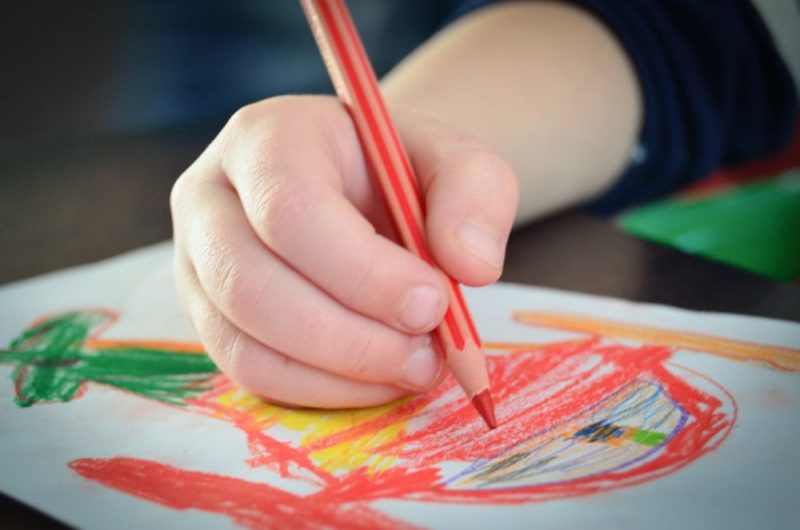
In this day and age of technology and screens which capture the attention of children, it is imperative to draw them away from the virtual world. Keeping them away only for an hour a day, will aid them to develop as holistic individuals. In addition, this helps ensure they aren’t dependent on the digital world for their entertainment. Kids should know that the television, phones and the internet aren’t the solution to their almost-perennial boredom. Herein lays the importance of art. Moreover, exploring the many benefits of drawing for kids highlights just how valuable this creative outlet can be.
Psychological Benefits
Drawing engages the whole brain rather than splitting it into a “creative” right side and a “logical” left side—a popular myth that neuroscience has debunked. Both hemispheres work together. Additionally, creative activities recruit many regions at once. Therefore, they weave imagination and reasoning into a single act.
- Imagining a creation: When a child is asked to draw, they learn to imagine a scene in their mind and then translate that imagination onto paper thus, learning the importance of the representation of thoughts in the tangible sense. Research also shows that drawing can strengthen memory by engaging visual, motor, and semantic channels at once (Wammes, Meade & Fernandes, 2016). When we are asked to imagine a home, we often stick to the usual bungalows and villas, but a child had once thought of drawing a spider web!
- Expressions: Children have a vivid imagination which they often find difficult to convey to us adults via words, more for the lack of their vocabulary than anything else. Drawing can help them express themselves. It has also coaxed introverted kids out of their shells and helped them become successful people who are not afraid to express themselves.
- Memory: The act of drawing also leaves a surprisingly strong mark on memory. Studies summarized by ScienceDaily report that drawing information—rather than writing it—boosts recall by engaging visual, spatial, and motor pathways together, so the simple habit of sketching what they learn can help children remember it far better.
Physical Benefits
Not only does a child’s brain gather benefits but also the physical aspects of a child’s well being.
- Dexterity: Art requires a variety of movements; a bold grasp on the sheet of paper, fine strokes with a painting brush, coloring within the borders with crayons, the control of pressure required during finger painting. These motor skills are crucial in the growing phases of any child and are most easily built into the daily routine through regular time with art—such as enrolling the child in art classes.
- Hand-eye coordination: Art plays a vital role in ensuring this very important aspect of development. Along with sports, art forms such as painting and music help children develop precise control over the coordination of their movements. It also helps in improving reflex actions.
Social benefits
Arts have a profound influence on man as a social creature. No one can live alone. For this, life skills are required which are harnessed by art!
- Knowledge: Art keeps a child in touch with the society and culture they live in, thus inculcating important values from a tender age.
- Teamwork and individuality: With art, a child learns to collaborate with others from the class, thus learning the value of giving importance to what others have to say. While working in a group, especially in an art class, kids learn about leadership and at the same time about following. Since there is no right or wrong in art, they learn that there can be multiple correct solutions to the same task at hand. It makes learning a fun activity.
- Life skills and confidence: Arts have a very critical influence on the development of life skills, which are essential for any individual to thrive happily. It not only helps in building high self-esteem, by providing an atmosphere which is non-judgmental, but also helps to develop analytical thinking and observational skills. The National Association for the Education of Young Children notes that creative expression nurtures self-confidence and resilience in young children. Any form of art class will focus on harnessing these qualities in a child and create a successful individual who has an open mind.
Conclusion
In a world dominated by screens, nurturing creativity through art offers a refreshing and essential balance. The benefits of drawing for kids are both vast and invaluable, from boosting brain development and fine motor skills to fostering emotional expression and social awareness. In fact, encouraging this habit early not only enriches childhood. It also lays the groundwork for a confident, well-rounded, and imaginative future.
Would you like to receive similar articles by email?

Dr. Jade Marie Tomaszewski
Dr. Jade Marie Tomaszewski is a pathologist-in-training at McGill University, where she also did her degree in MSc Pathology. She obtained her medical degree (MD) from the University of the Philippines, after completing a BSc in Molecular Biology and Biotechnology. In her (little) spare time, she enjoys spending time with family, curling up with a book and a large mug of tea, and trying out new recipes in the kitchen. You can follow her on LinkedIn and Twitter.


You May Also Like

How to Choose Lash Clusters Based on Your Eye Shape

7 Unconventional Gifts for the Man Who Seems to Have Everything