How Automation and AI Are Transforming Advertising
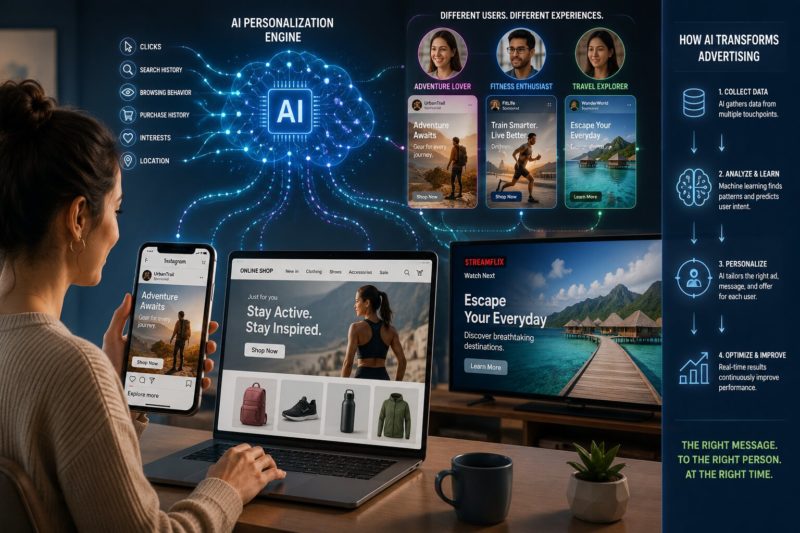
As digital marketing evolves rapidly, advertisers are increasingly adopting automation and AI to streamline their advertising campaigns. This trend is driven by the necessity for greater efficiency and more precise targeting. In addition, there is a need to reach larger audiences at scale. In this environment, ad tech platforms are becoming critical partners for businesses. These businesses are looking to maximize their digital advertising investments.
By automating tasks that were once manual and time-consuming, marketers can focus more on creative strategy while technology handles the mechanics of ad distribution and optimization. This blend of automation and human insight is shaping a new era of data-driven advertising.
The adoption of these technologies is not without its challenges. Marketers must balance the power of automation with the need for personal, authentic brand experiences while upholding data privacy standards. Navigating these considerations is essential for long-term success in digital advertising.
Knowing how automation and AI are transforming modern advertising gives brands an edge in a crowded marketplace. As innovations continue to emerge, it is essential for advertisers to stay informed and agile.
Automation in Advertising
Automation in advertising uses technology to efficiently handle campaign tasks that once required significant human effort. This includes processes such as programmatic ad buying, which uses software to purchase digital ad space in real time. It also helps allocate budgets with maximum precision. Automated tools can also generate ad creatives from predefined parameters. As a result, these tools free up teams from repetitive tasks and improve campaign responsiveness.
The practical result is the ability to launch and manage multiple campaigns simultaneously. Automation also helps optimize bids and placements based on live performance data. Programmatic advertising now accounts for the majority of global digital ad spend. This trend underscores the widespread adoption and influence of automation within the industry.
AI-Driven Advertising
Artificial intelligence (AI) is powering the next phase of advertising automation, enabling algorithms to process vast volumes of data to reveal actionable insights. These insights enable more effective targeting, allowing brands to tailor advertising based on consumer behaviors, interests, and historical interactions. AI can also automate ad placement optimization, determining the most effective time, platform, and audience segment for each creative.
Machine learning models can rapidly adjust ad spend and creative assets to maximize results. This has led to the widespread use of dynamic creative optimization and predictive analytics. Both of these increase the chances of engaging the right customer at the right moment. Furthermore, AI is enabling continuous refinement of advertising strategies based on real-time feedback. This ensures each campaign performs to its full potential.
Benefits of Automation
The advantages of introducing automation into advertising are numerous:
- Efficiency: Machines can oversee dozens or hundreds of campaigns at once, reducing the workload for human teams and shortening campaign activation times.
- Precision Targeting: Access to rich user data allows automation tools to deliver ads directly to the most relevant audiences, improving click-through and conversion rates.
- Cost-Effectiveness: With less manual intervention required, businesses can operate with smaller marketing teams and minimize errors, leading to better resource management and lower overall costs.
Brands leveraging automation can access inventory and opportunities that would be impossible to manage manually. This ability to operate at scale is a clear competitive advantage in the increasingly crowded digital space.
Challenges and Considerations
Despite these advantages, there are challenges that come with increased levels of automation in advertising:
- Over-Reliance on Technology: Automated systems sometimes produce generic ad content, reducing the uniqueness that helps brands stand out.
- Data Privacy Concerns: Automation tools require extensive access to user data, increasing the risk of privacy breaches or noncompliance with tightening regulations like GDPR or CCPA.
- Human Oversight Needed: Effective campaigns must still be guided by human creativity and strategic vision to resonate emotionally with audiences and align with brand values.
Future Trends
The future of automated and AI-driven advertising looks promising, with several key trends emerging:
- Increased AI Integration: Companies will continue to deepen their usage of AI, seeking solutions that optimize campaign planning, execution, and measurement.
- Agentic AI Systems: The industry is developing agentic AI. These advanced systems can autonomously plan, launch, and optimize campaigns from start to finish, while monitoring performance and making adjustments without direct human input.
- Enhanced Personalization: Personalization capabilities will become even more sophisticated, enabling brands to deliver relevant, tailored content that resonates with individual consumers at every stage of the buying journey.
Conclusion
Automation and AI are transforming the advertising field by bringing greater efficiency, precision, and scalability to brand campaigns. While there are barriers and considerations to address, such as maintaining brand distinctiveness and protecting user privacy, the benefits of these technologies are clear. Advertisers who strategically integrate automation and intelligent technologies are well-positioned to succeed as digital marketing continues to evolve.
Would you like to receive similar articles by email?

Paul Tomaszewski
Paul Tomaszewski is a science & tech writer as well as a programmer and entrepreneur. He is the founder and editor-in-chief of CosmoBC. He has a degree in computer science from John Abbott College, a bachelor's degree in technology from the Memorial University of Newfoundland, and completed some business and economics classes at Concordia University in Montreal. While in college he was the vice-president of the Astronomy Club. In his spare time he is an amateur astronomer and enjoys reading or watching science-fiction. You can follow him on LinkedIn and Twitter.

You May Also Like

Retail vs. Boutique: What’s the Difference?

How to Choose the Best POS Software for Your Business