What To Consider Before Switching To Automated Palletizers
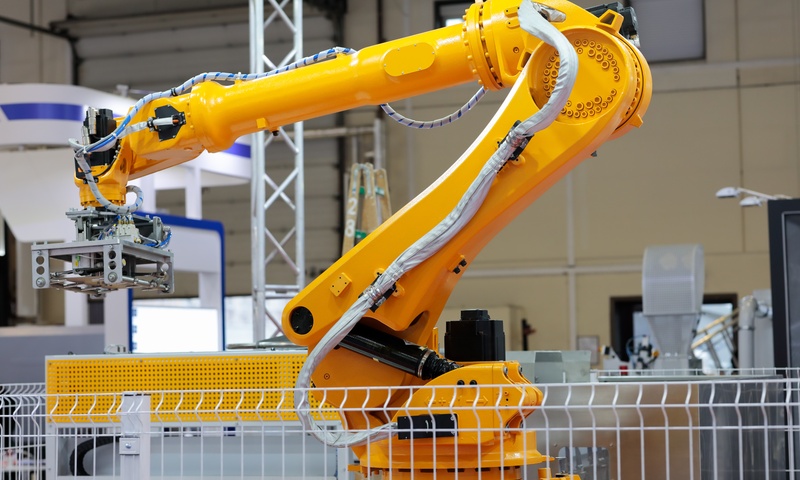
Understanding what to consider before switching to automated palletizers can shape whether the investment delivers real value or creates new challenges. Automation promises efficiency, but it also requires careful planning. Companies often rush toward new systems without fully evaluating how the change will affect daily operations, workforce dynamics, and long-term costs. A thoughtful approach ensures that automation aligns with production goals rather than disrupting them.
Assessing Operational Needs
Before adopting automated palletizing, evaluate your current production flow. Look at how products move through your facility and identify where inefficiencies occur. Automation works best when it supports a stable and predictable process. If upstream issues exist, automation may amplify them rather than fix them. Consider product variety, packaging types, and throughput demands. These factors determine whether a standard system fits or if customization is necessary.
Cost and Return on Investment
Automated palletizers require a significant upfront investment. Equipment costs, installation, and integration expenses all add up quickly. Beyond initial spending, ongoing maintenance and potential downtime should factor into the decision. Calculate how long it will take to recover costs through increased efficiency or reduced labor dependency. While palletizer automation can help solve labor shortages, the financial benefits depend on consistent utilization and proper implementation.
Workforce and Training Impact
Switching to automation changes how employees interact with production systems. Workers may shift from manual tasks to supervisory roles that require new skills. Training becomes essential to ensure safe operation and minimize errors. Some organizations underestimate this transition and face productivity dips during the adjustment period. Clear communication with staff can ease the shift and improve adoption.
Space and Integration Considerations
Automated palletizers require adequate floor space and proper layout planning. Facilities with limited room may need modifications to accommodate new equipment. Integration with existing conveyors, software, and packaging systems also plays a critical role. Poor integration can create bottlenecks or reduce efficiency gains. Assess how the new system will connect with your current setup before making a commitment.
Flexibility and Scalability
Production demands often change over time. An automated palletizing system should adapt to varying product sizes and output levels. Systems with limited flexibility may become obsolete as business needs evolve. Scalability allows you to expand operations without replacing equipment entirely. Choosing a solution that grows with your operation protects the investment over the long term.
Making a Confident Transition to Automation
Taking time to evaluate what to consider before switching to automated palletizers helps ensure the transition supports both current operations and future growth. A well-planned implementation balances cost, workforce readiness, and system compatibility, leading to stronger performance and more reliable outcomes.
Would you like to receive similar articles by email?

Paul Tomaszewski
Paul Tomaszewski is a science & tech writer as well as a programmer and entrepreneur. He is the founder and editor-in-chief of CosmoBC. He has a degree in computer science from John Abbott College, a bachelor's degree in technology from the Memorial University of Newfoundland, and completed some business and economics classes at Concordia University in Montreal. While in college he was the vice-president of the Astronomy Club. In his spare time he is an amateur astronomer and enjoys reading or watching science-fiction. You can follow him on LinkedIn and Twitter.


You May Also Like

ERP Assessment and Strategy: Choosing (and Actually Succeeding With) Your Next ERP
5 Top Grant Management Tools in 2026