The Real Difference Between Athletic Socks vs. Everyday Socks
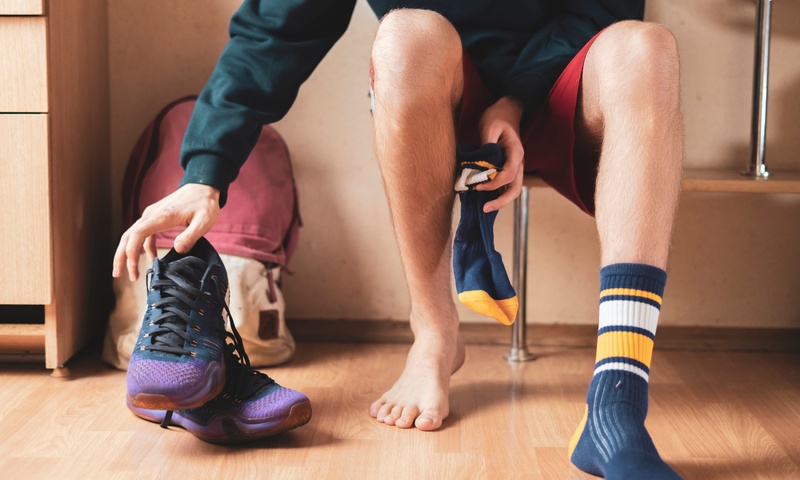
At a glance, most socks look interchangeable. They’re soft, they cover your feet, and they disappear under shoes. But when comparing athletic socks vs. everyday socks, the differences become surprisingly noticeable—especially once movement comes into play. While both serve basic comfort and hygiene purposes, their construction, materials, and performance goals vary in ways that matter more than many people expect.
Designed for Movement vs. Designed for Routine
The most significant distinction lies in intent. Designers build athletic socks for repetitive motion. Whether someone is running, playing basketball, lifting weights, or spending hours on their feet, these socks manage friction, moisture, and impact.
Everyday socks, on the other hand, are for casual use—walking, commuting, working at a desk, or social outings. Comfort is still important, but performance under strain is not the primary focus. It’s similar to the difference between running shoes and casual sneakers: both are footwear, but engineered for different environments.
Materials Make a Difference
Fabric choice is one of the clearest separators. Athletic socks use synthetic blends like polyester, nylon, or specialized performance fibers. These materials wick moisture away from the skin. By helping keep feet dry, they reduce friction buildup that can contribute to hot spots during extended activity. Some designs also incorporate mesh panels for breathability.
Everyday socks are more commonly made of cotton or cotton-heavy blends. Cotton feels soft and breathable in normal conditions, but tends to retain moisture once damp. For light daily wear, this isn’t usually an issue—but during intense movement, it can create a noticeably different experience. Custom athletic socks reduce friction and moisture buildup through fiber composition and knit patterns, helping prevent blisters in active settings.
Cushioning and Compression
Another area where the difference becomes clear is structure. Athletic socks often feature targeted cushioning in high-impact areas, such as the heel and ball of the foot. Some styles also incorporate mild compression through the arch or ankle area to provide a more secure fit.
This distinction helps limit bunching and slippage during activity. Everyday socks are also generally uniform in thickness. While comfortable for casual wear, they typically lack reinforced zones or arch support.
Fit and Construction
Athletic designs often prioritize anatomical shaping. Left- and right-specific socks, seamless toes, and reinforced heels are common in performance models. These small construction details help minimize friction during repetitive motion.
Everyday socks are usually simpler in design. They may focus more on style, color variety, and matching outfits than on technical construction.
Why the Distinction Matters
For someone going about normal daily activities, everyday socks usually perform just fine. But during sustained physical activity, the structural differences between athletic socks vs. everyday socks become more noticeable.
Ultimately, both types serve their purpose. The key distinction lies not in appearance, but in engineering: one prioritizes routine comfort, the other handles motion, moisture, and impact more deliberately. Choosing between them isn’t about fashion—it’s about matching the sock to the situation.
Would you like to receive similar articles by email?

Danuta Smoluk
Danuta Smoluk is a teacher with over three decades of experience teaching both children and adults. She specializes in teaching the Polish language to English-speakers. She has a master's degree in primary and early childhood education from WSP Słupsk (currently Pomeranian University in Słupsk) and had her degree validated by University of Toronto. Aside from education, she also has an interest in real estate and home improvement. She has planned and supervised many house renovations. She loves interior design, cooking, and gardening.


You May Also Like

Design Elements That Let More Natural Light Into Your Home

The Importance of Proper Storage for Your Jet Ski