The Cosmic Connection With Earthly Risks
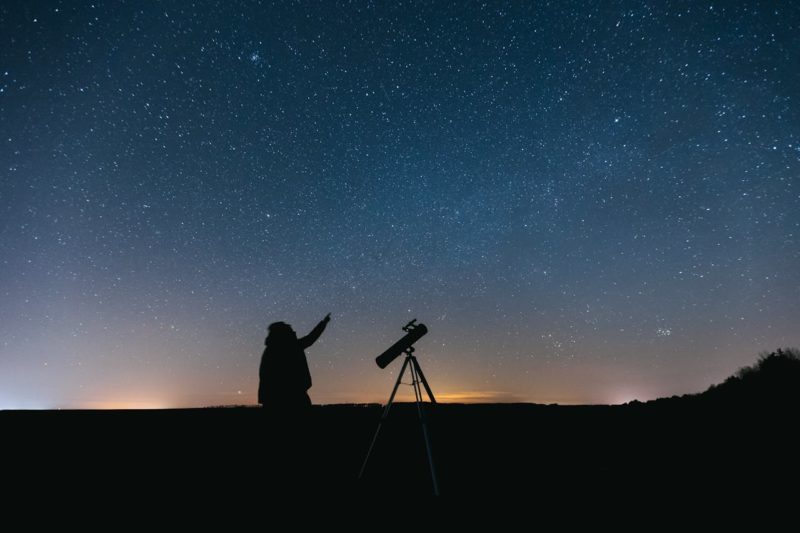
There is an inherent interest and sometimes an obsession with space.
Of course, in the 60s, President John F. Kennedy made a promise in his speech to Congress:
First, I believe that this nation should commit itself to achieving the goal, before this decade is out, of landing a man on the moon and returning him safely to the Earth.”
Big dreams for America in a competition with the Soviet Union and what became the ‘space race’.
You know how that turned out, NASA took their testing facility for rockets in Kennedy Space Centre and turned it into the launch pad for the goal of putting a man on the moon. As a child, this was the height of science. Everyone was looking at the stars, speculating about other life out there and who the astronauts might meet on their missions.
“One small step for man and one giant step for mankind” inspired a generation of dreamers who wanted to be astronauts and explore the ‘final frontier.
Amateur astronomers still head out with their telescopes and star-gazing paraphernalia, and the adult dreamers participated from home on the SETI (search for extraterrestrial life in the cosmos) program, that is, until it went on hiatus in 2020. It was an exciting thing to have hooked into your computer; there was always that sense of ‘are we alone’.
The curiosity has not waned, but with more innovative equipment and changing weather patterns, the backyard astronomer needs to be aware of safety risks with outdoor electrical equipment more than ever.
Here are some hazards you want to be aware of on your journey to the stars from your backyard.
Sudden Weather Shifts
If you are preparing for a night studying the stars or you are totally focused on Jupiter’s moons so intently, you miss the distant flash of lightning and the slow creeping of the clouds.
You have your eye pressed against the lens of your telescope, which is the tallest object in the field, and your metal telescope tripod is the perfect lightning conductor.
You’re a sitting duck, but haven’t yet noticed you might be in danger. When you hear thunder, you look up to see if there is lightning, and you start counting. The time between lightning and thunder is about 30 seconds or so.
This means it’s about 6 miles away, so think smartly, pack up a lickety split.
Find shelter (a crowd of low trees, a sound building with a heavy roof and closable windows). Lightning will normally hit the tallest object (path of least resistance), so don’t let that be you.
Helpful Tips:
- Look at the weather forecast, but help yourself by investing in a radar app or API.
- Make an escape plan to disconnect and secure your gear quickly.
Your safety is more important than one more look at that curiosity way up there.
Other Risks
- Damp Gear: Moisture can come from the fog, mist, and humidity, so beware of this, as water and electricity don’t mix very well and can be damaging to your equipment or produce shorts and shocks.
- Extension Cords: Dew and light drizzle increase short-circuiting issues, so invest in an outdoor/all-weather protected and approved extension cord. A trip mechanism should prevent you from getting a shock.
- Trip and Fall Tango: Keep things organized and off the ground as much as possible, cause if you have to make a quick exit, you don’t want to be messing with tangled cords or tripping over excess equipment.
- Generators: It might be tempting to run a gas heater or generator if you are watching and recording a meteor shower, but be aware of C02 dangers in an enclosed space and fire risks.
While these little tips can reduce your risk, it’s uber important that the weather can be unforgiving and will not wait for you to get your stuff together before striking.
And fiddling with wet (even damp) electronics can quickly result in electrocution.
A moment of hesitation with electrical equipment during a storm could lead to consequences way beyond your damaged telescope. A serious electrocution or catastrophic weather-related accident could be life-altering, involve major medical treatment, and raise some liability questions. But this all depends on what law the accident happened under. That’s because each state might have different laws when it comes to such accidents (or accidents in general).
For example, an electrocution accident attorney Chicago residents would hire will know such an accident will be covered under the Illinois Worker’s Compensation Act, which says that injured employees can’t sue their employer for negligence after a workplace electrocution. They are limited to workers’ comp benefits, though.
On the other hand, a L.A. lawyer will tell you that in California, there’s the California Code of Civil Procedure 1714 and related premises-liability law, which allows electrocution victims to bring a personal-injury lawsuit against property owners (or other third parties) for negligence; workers’ comp is still available.
Electrocution victims often need to consult with specialized legal professionals to know their rights, as the laws governing premises liability, equipment manufacturer responsibility, and negligence can be incredibly complex.
Your safety is the most important piece of gear you own.
Conclusion
The stars will always be there for you to admire and watch, so don’t take risks that are unnecessary and put you and others in danger.
Get insurance on your equipment and gaze to your hearts’ content, but make sure no animals are chewing wires, no cords are lying in puddles, and if there is lightning, be the thunder…the thunder being your footsteps pounding the pavement to safety.
Keep a fire blanket or extinguisher handy.
Would you like to receive similar articles by email?

Paul Tomaszewski
Paul Tomaszewski is a science & tech writer as well as a programmer and entrepreneur. He is the founder and editor-in-chief of CosmoBC. He has a degree in computer science from John Abbott College, a bachelor's degree in technology from the Memorial University of Newfoundland, and completed some business and economics classes at Concordia University in Montreal. While in college he was the vice-president of the Astronomy Club. In his spare time he is an amateur astronomer and enjoys reading or watching science-fiction. You can follow him on LinkedIn and Twitter.


You May Also Like
Daytime Arietid Meteor Shower: Observation Tips
Why Is Venus the Hottest Planet?