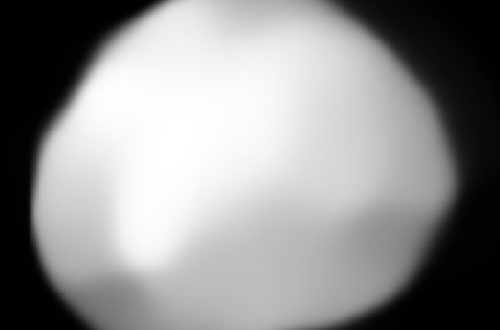
Discovering the Wonders of Asteroid 3 Juno
Asteroid 3 Juno, located within the asteroid belt, has captivated astronomers for decades. Through an overview, we will discover the wonders of Juno and uncover the secrets it holds. Join us as we embark on a journey through space and delve into the mysteries of this remarkable asteroid.
Introduction to Asteroid 3 Juno
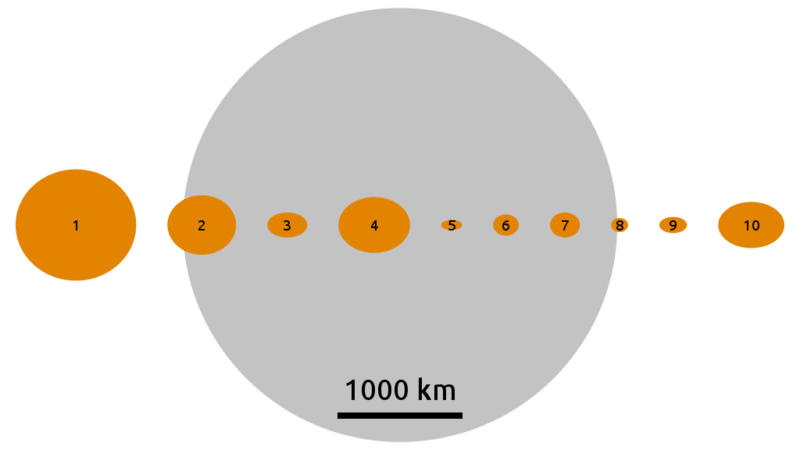
Asteroid 3 Juno is a fascinating space rock that has caught the attention of scientists and astronomers alike. This asteroid, located in the main asteroid belt between Mars and Jupiter, is among the largest asteroids. However, it is smaller than Ceres, Vesta, Pallas, and Hygiea. It ranks around 10th by mass and 13th by size. Furthermore it is considered one of the largest S-type asteroids in the solar system. Juno is a significant object that has piqued the curiosity of researchers due to its unique characteristics.
The Discovery of Asteroid Juno
The discovery of Juno is an essential milestone in the history of astronomy. In 1804, German astronomer Karl Ludwig Harding spotted the asteroid for the first time. This made it the third asteroid ever discovered after Ceres and Pallas. Harding named the asteroid Juno, after the Roman goddess of marriage and childbirth, wife of Jupiter, and queen of the gods.
It was initially thought to be a planet, but was later reclassified as an asteroid. At the time, astronomers were still learning about the nature of the asteroid belt. They believed these newly discovered objects might represent a “missing planet” between Mars and Jupiter.
Characteristics and Properties of Juno
Asteroid 3 Juno is a fascinating space rock that has been the subject of much scientific interest since its discovery. It is a large asteroid, with a mean diameter of approximately 246.6 km. Juno is a stony (S-type) asteroid and makes up about 1% the mass of the entire asteroid belt.
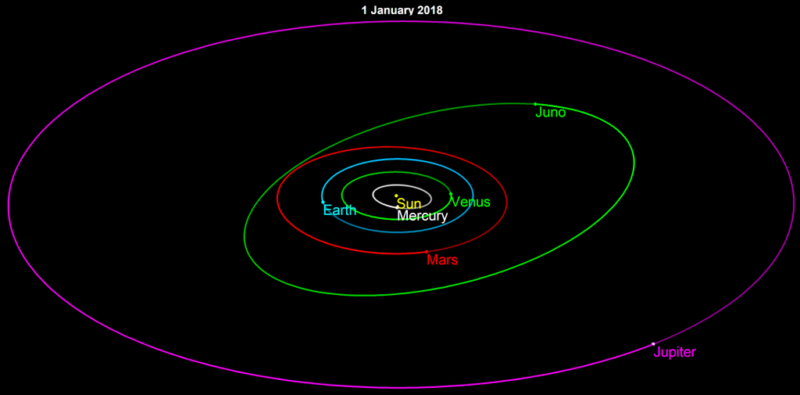
This celestial body has a very eccentric orbit, greater than that of Pluto. It orbits the Sun at 2.669 AU (semi-major axis) which takes 4.361 years to complete. (Source: NASA JPL Small-Body Database Lookup for 3 Juno.)
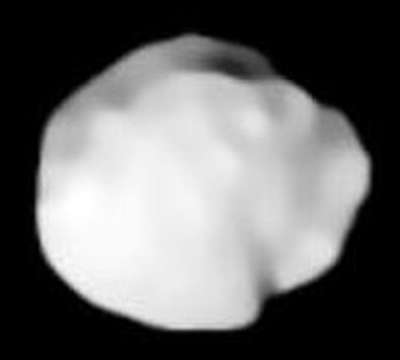
Modern observations from powerful observatories such as the Very Large Telescope (VLT) and the Atacama Large Millimeter/submillimeter Array (ALMA) have revealed more details about Juno’s irregular shape, surface properties, and temperature distribution. These studies also suggest the asteroid may contain a large impact crater formed by an ancient collision.
This unusually bright asteroid has a high albedo, which explains its relatively high apparent magnitude and why it was discovered so early, before many larger asteroids.
It is also known to be irregularly shaped, with a somewhat elongated shape that suggests it may have undergone some kind of collision or disruption in the past. This, along with its small size, precludes it from being classified as a dwarf planet.
Juno also rotates relatively quickly, completing one rotation in about 7.2 hours. Scientists have additionally studied whether Juno could be linked to certain ordinary chondrite meteorites that have fallen to Earth, though this remains an area of ongoing research.
Conclusion
In summary, Asteroid 3 Juno has proven to be a fascinating space rock that has captivated the attention of scientists and astronomers alike. Despite its relatively small size, Juno has revealed a plethora of information about the formation and evolution of our solar system. Its unique physical characteristics and properties have sparked numerous scientific studies. Collectively, these studies have contributed to our understanding of our cosmic surroundings.
As technology continues to advance, modern observatories and future space research will continue uncovering new details about this intriguing asteroid and the early history of our solar system.
Would you like to receive similar articles by email?

Paul Tomaszewski
Paul Tomaszewski is a science & tech writer as well as a programmer and entrepreneur. He is the founder and editor-in-chief of CosmoBC. He has a degree in computer science from John Abbott College, a bachelor's degree in technology from the Memorial University of Newfoundland, and completed some business and economics classes at Concordia University in Montreal. While in college he was the vice-president of the Astronomy Club. In his spare time he is an amateur astronomer and enjoys reading or watching science-fiction. You can follow him on LinkedIn and Twitter.


You May Also Like
The Local Interstellar Cloud: Characteristics and Significance
Artemis I Launch a Great Success, According to NASA Engineer Kristine Ramos