The Evolution of Assisted Senior Living Construction: Meeting Modern Needs
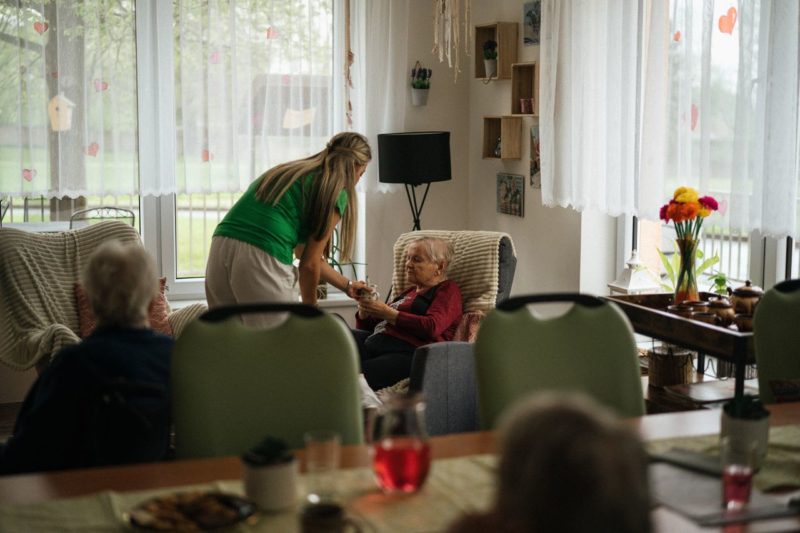
The landscape of assisted senior living construction is rapidly transforming to address the expectations and requirements of an aging population. Today’s developers and designers are focused on more than simply providing a place to live. They are seeking to build environments that foster autonomy, prioritize wellness, and nurture community connections. In regions like Utah, innovative approaches to assisted living construction in St. George, Utah are helping shape communities that better support seniors’ evolving lifestyles and care needs.
This evolution is driven by trends such as advanced technology, environmental sustainability, and creative reimagining of space. These shifts support a new generation of seniors valuing independence, active living, and social engagement. Developers explore flexible building methods and amenities to enhance comfort and quality of life. The market also sees more facilities focusing on intergenerational engagement and holistic wellness, catering to diverse senior needs. The future of assisted senior living depends on adaptive, forward-thinking designs to serve both current and future generations.
Tech-Enhanced Independence
Modern assisted living facilities are increasingly embracing smart technology to promote autonomy and enhance safety for older adults. Features such as voice-activated lighting, environmental controls, fall-detection sensors, and remote health monitoring enable residents to maintain independence while ensuring help is accessible whenever needed. As these innovations become more affordable and widespread, they are now expected components in new senior living construction, illustrating a clear shift towards supporting seniors’ ability to live independently as long as possible.
Sustainable Design Practices
As concerns about climate change and environmental health grow, sustainable design has become a cornerstone of senior living construction. Developers are prioritizing energy-efficient HVAC and lighting systems, solar panels, and green building materials. Incorporating passive design strategies such as optimized sunlight use, enhanced insulation, and natural airflow not only reduces each facility’s carbon footprint but also creates healthier environments for residents. Improved air quality and increased natural light are shown to support both physical and mental well-being among seniors.
Adaptive Reuse of Existing Structures
The demand for senior living outpaces the availability of new land in many urban areas. As a result, developers are turning to the adaptive reuse of underutilized buildings such as former hotels or office complexes. Repurposing these structures into assisted living facilities saves on both construction costs and environmental impact while revitalizing entire neighborhoods. This approach often allows projects to move faster through planning and approval processes and helps address the urgent need for additional senior housing options.
Intergenerational Community Integration
Designs that support intergenerational connection are proving to be powerful antidotes to social isolation, a common concern for today’s seniors. New senior living communities intentionally include communal spaces, parks, and even shared activity centers where multi-age interaction can thrive. These environments foster a sense of belonging and allow meaningful relationships to develop naturally between residents and younger family members or local community members. Such models help bridge generational divides and contribute to more resilient, connected neighborhoods.
Wellness-Focused Amenities
Forward-thinking assisted living facilities feature amenities that serve the whole person. Fitness centers, walking trails, meditation rooms, and therapeutic gardens are becoming the norm rather than the exception. Increasingly, wellness programming extends beyond traditional medical care to include group activities, mental health resources, and nutritious dining options. These offerings reinforce the notion that senior living is not only about safety and shelter but about providing a vibrant and fulfilling lifestyle.
Challenges in Construction Costs
Despite these exciting advances, the industry faces persistent challenges from escalating construction costs. Rising materials prices, labor shortages, and global supply chain disruptions all contribute to higher expenses. The need for advanced infrastructure to accommodate high-tech systems and sustainable building requirements can further increase initial investment costs. Developers must strike a balance between rising costs and residents’ expectations for luxury amenities, ensuring both affordability for residents and the long-term financial viability of the facilities.
Financing and Development Trends
The financial landscape for senior housing construction is shifting. Initially, funding difficulties and occupancy concerns limited new development. Now, lenders and investors are increasingly interested in well-conceived projects as occupancy rates stabilize and demand continues to rise. Financing remains challenging in some markets, but the outlook is positive, as innovative design, sustainable features, and responsive technology are attractive to both residents and investors.
Conclusion
As society continues to prioritize quality of life for older adults, the construction of assisted senior living communities is undergoing profound changes. By leveraging state-of-the-art technology, sustainable design, and inclusive community models, developers are creating spaces that provide safety, connectedness, and fulfillment. The future of senior living construction will be defined by its ability to adapt and innovate in response to both emerging technologies and evolving resident needs.
Would you like to receive similar articles by email?

Danuta Smoluk
Danuta Smoluk is a teacher with over three decades of experience teaching both children and adults. She specializes in teaching the Polish language to English-speakers. She has a master's degree in primary and early childhood education from WSP Słupsk (currently Pomeranian University in Słupsk) and had her degree validated by University of Toronto. Aside from education, she also has an interest in real estate and home improvement. She has planned and supervised many house renovations. She loves interior design, cooking, and gardening.


You May Also Like
Advisor Valuation Report: What It Is, What It Includes, and How to Use It to Make Smarter Decisions
The Benefits of Implementing RFI Software in Construction Projects