Alpha Centaurid Meteor Shower Guide
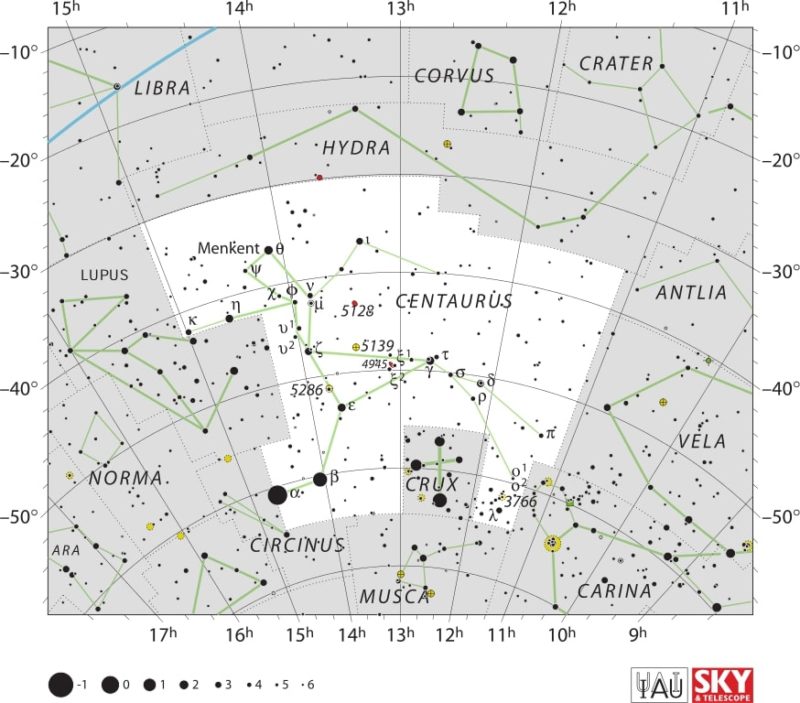
The Alpha Centaurid meteor shower is one of the faint showers which takes place every year. Its most brilliant display is in the Southern Hemisphere, peaking on February 8. Its radiant point is close to the position of the Alpha Centauri star in the constellation of Centaurus, which is where the shower gets its name.
While most visible in Australia, New Zealand, and parts of South America and southern Africa, people in southern U.S. States sometimes catch a glimpse if skies are clear and dark enough.
In the following sections, find out when, where and how to catch the Alpha Centaurids, along with tips for improved viewing.
What Are the Alpha Centaurids?
The Alpha Centaurids are a relatively weak meteor stream that originates from the southern sky’s Centaurus constellation. This meteor shower is at its best at its peak on February 8, with some meteors still visible between January 28 and February 21.
While not as famous or active as the Perseids or Geminids, the Alpha Centaurids hold a rightful place in the annual calendar for southern sky watchers. On an average to good night, you may only see 6 meteors per hour, at the most.
Source: A Comet’s Debris?
Scientists assume that the Alpha Centaurids were created from debris left behind by a comet. The precise parent comet has yet to be identified.
As Earth travels through this dust trail, bits of rock and dust hit our atmosphere and burn up, making brief, bright streaks we call meteors. As comets travel around the Sun, they leave behind a trail of dust and rock.
When this dust collides with Earth’s upper atmosphere, it glows and produces an absolutely beautiful meteor shower!
Link to Our Stellar Neighbours
The name connects the shower with Alpha Centauri, one of our closest star systems, located in the very same constellation. By studying meteor showers like this, astronomers can learn more about the dust and rocks floating in the space between stars and planets.
Alpha Centauri’s location in the southern hemisphere sky makes this shower unique to the southerly locations. It’s an incredible reminder of how close cosmic events can feel!
The Name’s Origin Story
Alpha Centaurids derive their name from their radiant in the constellation Centaurus. This naming convention pays tribute to the constellation of origin for meteor showers.
This allows both astronomers and stargazers to locate such events more accurately. Other showers, such as the Perseids or Leonids, follow this naming convention.
Spotting the Alpha Centaurids
The Alpha Centaurids meteor shower is an annual celestial event, providing a reliable yet meager show for stargazers in the southern skies. This shower will be busy from late January to mid-February, with the peak on February 8. Observers located in the Southern Hemisphere, including Australia, New Zealand, and parts of South America and southern Africa, will have an excellent opportunity to see these visible meteors under the right conditions.
Peak Viewing Dates for
The Alpha Centaurids meteor shower will peak the night of February 8, providing an excellent opportunity for stargazers to witness this unique spectacle. Inviting friends or your local astronomy club on this date will ensure a more enjoyable viewing experience as the shower’s activity is at its peak.
Anticipated Meteor Rates
At maximum, plan on seeing no more than 6 Alpha Centaurids per hour (ZHR) during this celestial event. Although this rate is much lower than the Perseids, the Alpha Centaurids typically produce some bright streaks, making it an excellent opportunity for stargazers to enjoy this unique spectacle.
Shower Duration
The Alpha Centaurids meteor shower, occurring from January 28 to February 21, offers stargazers an excellent opportunity to witness bright meteors. Observing on multiple nights enhances your chances of experiencing this unique celestial event.
Your Southern Hemisphere Viewing Guide
The Alpha Centaurids ares one of the best meteor showers for southern observers. With Centaurus—the radiant constellation—high in these southern skies, that’s providing a front-row seat. Every February—particularly during the night of the 8th—look for as many as 6 meteors an hour to be zipping overhead before dawn.
Though this is a minor shower, dark, clear skies will make each meteor easy to see. Most stargazers head out far from city lights, join up with others, and swap tips to get the best views.
Pinpoint the Radiant
To find its source, locate Alpha Centauri in the Centaurus constellation. Stargazing apps are useful for locating this spot and other stars around it.
Identifying the radiant helps you determine if a streak may be from the Alpha Centaurids or another shower. Learning the shape of Centaurus and its neighbors, such as Crux (the Southern Cross), keeps things simple under the stars.
Top Dark Sky Tips
- Head far from city lights and busy roads.
- Look for local dark sky parks or open fields.
- Check weather apps for clear, dry conditions.
- Dress in layers and bring warm drinks and snacks.
- Use a reclining chair or blanket to stay comfy.
Essential Viewing Equipment
While a zero-tech approach is perfectly acceptable, having a chair or blanket and some binoculars will increase your comfort. Potentially bright meteors can be captured on camera and shared with others after the event.
Patience: Key to Meteor Spotting
Meteors are occasionally seen in bursts or lulls. So sit back, relax, and enjoy the show! Take frequent breaks, socialize with fellow stargazers, and remember to appreciate the entirety of the sky, not just count the score.
Not every night will be showering with meteors, though, so here’s where patience comes in.
Alpha Centaurids: Unique Qualities
The Alpha Centaurid meteor shower is unique in several respects. These unusual qualities set it apart from larger, more famous meteor showers. This small but very rich meteor stream comes from the relatively southerly constellation of Centaurus. Though its parent body is still a question mark, that mystery only contributes to the magic of this more obscure event.
Meteor Speed
The Alpha Centaurids meteor shower offers a unique spectacle for stargazers, as these meteors travel at impressive speeds of around 56 km per second when entering Earth’s atmosphere. This rapid movement results in bright streaks that are typically brief yet spectacular.
How It Stacks Up
This shower may not stack up to the numbers of the major showers, but that’s all part of its appeal. Lower rates make for less hype, but also less crowding. In many ways, this makes observing the Alpha Centaurids the ideal opportunity for a more contemplative, intimate sky show.
For those who like to spot the smaller, hidden gems in the night sky, minor showers like this offer a unique kind of reward.
Conclusion
The Alpha Centaurid meteor shower offers a brief but dazzling treat to the night sky each February. People living in the southern tier of states, or anyone traveling south will have the best seats. Clear, dark skies will always provide you the best view, making a rural location ideal as well.
There’s something for everyone—old-timers and newbies alike. Some people want to journal, some people want to take photos, and some people just want to absorb it. So stay up late, bundle up with a warm drink, watch the sky, and enjoy what comes next year. Visit your local astronomy club or find one online for more advice, equipment, or stories to inspire you. Everyone’s excited to share what they’re seeing out there!
Frequently Asked Questions
What is the Alpha Centaurid meteor shower?
The Alpha Centaurid meteor shower is an annual celestial event that occurs every early February, offering stargazers an excellent opportunity to witness bright meteors radiating from the constellation Centaurus, particularly from dark sky locations in the Southern Hemisphere.
Can I see the Alpha Centaurids from the United States?
Most of the continental United States lies too far north to catch the bulk of the Alpha Centaurids meteor shower, making it a unique spectacle best seen from southern latitudes in the Southern Hemisphere.
How many meteors can I expect to see during the Alpha Centaurids?
At the peak of the annual meteor shower, stargazers can expect to see as many as 6 visible meteors per hour if they’re in a dark sky location, making it an excellent opportunity for a unique spectacle.
See also:
- Previous meteor shower: Gamma Ursae Minorid Meteor Shower
- Next meteor shower: Gamma Normid Meteor Shower
Would you like to receive similar articles by email?

Paul Tomaszewski
Paul Tomaszewski is a science & tech writer as well as a programmer and entrepreneur. He is the founder and editor-in-chief of CosmoBC. He has a degree in computer science from John Abbott College, a bachelor's degree in technology from the Memorial University of Newfoundland, and completed some business and economics classes at Concordia University in Montreal. While in college he was the vice-president of the Astronomy Club. In his spare time he is an amateur astronomer and enjoys reading or watching science-fiction. You can follow him on LinkedIn and Twitter.


You May Also Like
Did You Know Polyurethane Foam Made the Space Shuttle Possible?
Mimas and Iapetus: Two Moons That Look Like the Death Star