Alpha Capricornid Meteor Shower Guide
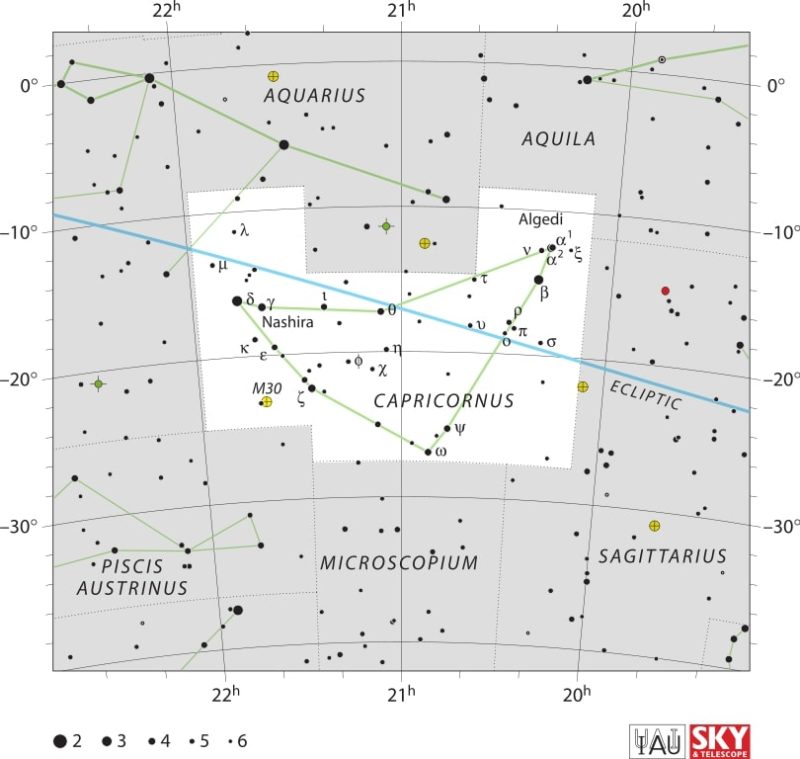
The Alpha Capricornids are a relatively minor annual meteor shower that is active between July 3 and August 15. This meteor shower comes from Comet 169P/NEAT, whose radiant point is found in the Capricornus constellation. The shower is visible from both the Northern and Southern Hemispheres, although observers in the Southern Hemisphere generally enjoy the best viewing conditions. They really come into their own in places with dark, non-polluted skies.
What makes the Alpha Capricornid meteor shower unique is that they create exceptionally bright meteors. Despite their low frequency, you can still see around five meteors per hour at most during their peak activity. Many of these meteors appear as brilliant fireballs, with some becoming bright enough to stand out even under moderately light-polluted skies.
What Are the Alpha Capricornids?
The Alpha Capricornids are a minor meteor shower that brightens up our night skies every summer. The shower is active from July 3 to August 15 and typically reaches its peak on July 30. Even with its comparatively low meteor count, this shower is worth a look. We hope you’ll enjoy learning what makes it so special, and why it’s such a standout among celestial events.
Define Alpha Capricornid Meteor Shower
The name “Alpha Capricornids” comes from the constellation Capricornus, where the shower’s radiant point is found.
This celestial event is attributed to comet 169P/NEAT, the trail of whose debris Earth passes through every year. Its particles are quite slow, moving at 23 km/s (about 14 mi/s).
Distinguishing Features of Alpha Capricornids
The Alpha Capricornids are unique in that they are known for their relatively low meteor activity. At peak, look for around five meteors an hour. This is known as the Zenithal Hourly Rate (ZHR), although actual observed rates are often lower depending on local sky conditions and the height of the radiant.
What truly sets this shower apart is its remarkable ability to produce bright fireballs. Some are bright enough to leave persistent trails or briefly illuminate the surrounding landscape. The shower typically reaches peak activity around July 30, creating an ideal window for observation.
Origin and Parent Body
The Alpha Capricornid meteor shower comes from debris left by the short-period comet 169P/NEAT. This comet is the source of the shower of particles that our planet flies through each year.
As the comet moves in its orbit, it leaves a trail of dust and debris, creating a stream of particles. These fragments burn up when they enter Earth’s atmosphere, creating the colorful streaks of light we see during the meteor shower.
Some astronomers believe the Alpha Capricornid meteoroid stream may have originated from the breakup of a much larger comet thousands of years ago, making it an especially interesting object of ongoing study.
How to Observe Alpha Capricornids
The Alpha Capricornids meteor shower is a real treat for skywatchers each year. It typically delivers a modest number of meteors over an extended period of activity. It runs from July 3 to August 15, with its peak usually falling around July 30. Viewing this unique shower begins with knowing when to look for it, as well as what conditions to make the best observations possible.
Prepare for Meteor Watching
To fully enjoy the Alpha Capricornids, preparation is essential:
- Bring essentials: a reclining chair or blanket, warm clothing, snacks, water, and a red flashlight to preserve night vision.
- Keep bright screens or lights to a minimum leading up to and while watching. Your eyes take 20-30 minutes to adjust to the dark, so come prepared.
- Find a dark, open space away from city lights, and get there early to snag an unobstructed spot.
- Plan to observe after midnight and before dawn, when the radiant climbs higher in the sky and meteor activity is generally at its best.
Having everything set up ahead of time allows you to get comfortable and get the most out of the experience.
Equipment Recommendations
Meteor showers are most spectacular when viewed with the naked eye, which provides a much greater field of view. While binoculars reduce this field of view, they can aid in locating the fainter meteors.
Telescopes are not recommended for meteor showers because their narrow field of view makes it much harder to catch fast-moving meteors.
For those interested in a little more tech, meteor-tracking apps can help make the experience even better by providing real-time updates.
Photography Tips
Meteor shower photography takes practice and a sturdy tripod. For the best results, use a DSLR or mirrorless camera that has long exposure settings, a wide-angle lens, and a sturdy tripod.
For ISO, you will need to adjust—start at ISO 800 or higher and set your exposure time to 20-30 seconds for best results. Use the widest aperture available, manually focus your lens at infinity, and consider using an intervalometer or continuous shooting mode to maximize your chances of capturing a meteor.
Factors Affecting Visibility
To view the Alpha Capricornids to their fullest potential, it’s important to know a few different factors that can affect visibility. From external light sources to environmental factors, everything affects the quality of what you see. Below, we unpack these factors and provide tips to maximize your visibility.
Light Pollution Impact
In particular, light pollution has a major negative effect on the odds of spotting meteors. Bright city lights drown out these faint streaks, greatly affecting visibility. To combat this, prioritizing sites well outside major metro areas is key.
Unsurprisingly, rural areas, national parks and other dark-sky reserves are the best places to catch the show. Dark sky reserves are havens for unobstructed natural beauty, free of the blaring light pollution.
Cutting down on one’s own light sources is just as important. Try not to use bright screens or flashlights while you are looking.
Moon Phase Influence
The current moon phase plays a role in meteor visibility. A bright, full moon will severely wash out the fainter meteors. Conversely, a crescent or new moon substantially darkens the skies, providing ideal circumstances for best viewing.
Because the Moon’s phase changes every year, it’s worth checking the lunar calendar before planning your observing session. Whenever possible, observe on dark, moonless nights for the best results.
Atmospheric Condition Effects
Cloud cover and humidity affect visibility, as they scatter light and can obscure stars. Dark, clear skies are essential for a good meteor shower. Researching local weather conditions and picking nights with humidity as low as possible and the least cloud cover will ensure the best experience possible.
During the peak of the Alpha Capricornids, observers can often enjoy meteors from the Southern Delta Aquariid meteor shower as well. This overlap creates a more active and rewarding night of meteor watching, with meteors appearing from two different radiant points.
Conclusion
Alpha Capricornids provide a fantastic opportunity to engage with the night sky. They give a whole other feeling of wonder with their beautifully slow, bright meteors. Those who pause and gaze skyward are treated to a stunning meteor shower. You don’t need much in the way of equipment or advanced skill to enjoy this meteor shower. A clear sky, a dark location far from city lights, and some patience is all you need.
So if you’re a casual stargazer or a serious skywatcher, the Alpha Capricornid meteor shower has much to offer. So, save the date, bring a blanket, and tune in to the show. Share your experience—it’s encounters like this that make our community feel like home.
Frequently Asked Questions
When is the best time to see the Alpha Capricornids?
The peak of the Alpha Capricornids tends to be around July 30. The optimum time to observe is just after midnight when the sky is darkest and the meteors are most numerous.
Where can I watch the Alpha Capricornids?
You can see the Alpha Capricornids from all locations, as long as you are away from bright lights. Rural and suburban areas, miles from bright city lights, provide the best viewing conditions for this meteor shower.
What causes the Alpha Capricornids?
The Alpha Capricornids originate from debris left behind by Comet 169P/NEAT. As Earth passes through this debris, the pieces burn up in our atmosphere, creating meteors.
How fast do Alpha Capricornid meteors travel?
Unlike many of the other annual meteor showers, Alpha Capricornid meteors are quite slow, moving at an approximate speed of 23 km/s. It’s this low speed that makes them all the more awe-inspiring and easier to catch sight of.
Can I watch the Alpha Capricornids and Southern Delta Aquariids on the same night?
Yes. The Alpha Capricornids and Southern Delta Aquariids overlap during late July, allowing observers to see meteors from both showers in a single night under favorable viewing conditions.
See also:
- Previous meteor shower: Southern Delta Aquariid Meteor Shower
- Next meteor shower: Eta Eridanid Meteor Shower
Would you like to receive similar articles by email?

Paul Tomaszewski
Paul Tomaszewski is a science & tech writer as well as a programmer and entrepreneur. He is the founder and editor-in-chief of CosmoBC. He has a degree in computer science from John Abbott College, a bachelor's degree in technology from the Memorial University of Newfoundland, and completed some business and economics classes at Concordia University in Montreal. While in college he was the vice-president of the Astronomy Club. In his spare time he is an amateur astronomer and enjoys reading or watching science-fiction. You can follow him on LinkedIn and Twitter.


You May Also Like
Circumstellar Disc: Key Insights and Discoveries

What Do Dolphins Eat?